Nausea is a common issue that most individuals go through at one time in their lives. Although the occasional bloating or slight stomach upsets do not appear as a big problem, the continuous stomach symptoms can disrupt the comfort level and general well-being. It is important to know common digestive disorders to be able to detect early warning signs and prevent them when they are relatively minor, before turning into a chronic condition.
The digestive system involves the consumption of food, absorption of nutrients and removal of waste products. Displacement of any of the elements of this complex may result in such symptoms like indigestion or constipation. The conditions are common and usually associated with lifestyle choices like diet, hydration, stress as well as physical inactivity.
The article has described the causes, symptoms, and risk factors of indigestion and constipation and has provided viable measures to help maintain ease in the gut and long-term gut health.
General Knowledge: Common Digestive Disorders
Gastrointestinal tract comprises stomach, intestine and other body organs, which are affected by digestive diseases. These diseases are different in their severity and length, although most of them have similar symptoms: pain in the abdomen, irregular bowel movements, bloating, or nausea.
In a bid to have a clearer example of the larger group of most common digestive disorders, one is then helped in exploring two of the most commonly reported issues: indigestion and constipation. These diseases tend to be functional in nature, i.e. they do not damage the structure, but they influence the working of the digestive system.
Even though indigestion and constipation are usually easy to treat, when treated without paying attention to the recurrent symptoms, complications or it may be an indication of underlying health issues.
Indigestion: Causes, Symptoms, and Risk Factor
What Is Indigestion?
Indigestion or dyspepsia is a condition of pain or discomfort in the upper part of the abdomen and is most often caused by eating or eating too much. Neither is a disease itself but a symptom of imbalance of the digestion.
Indigestion can be characterized by people as fullness, burning, bloating, or mild nausea. Symptoms are generally short-lived in most of the cases though when they recur, often, it is a sign of continued digestive stress.
Regular Causes of Indigestion
Eating habits and lifestyle factors are the cause of indigestion. Excessive consumption of food, intake of food too fast and consuming of fatty and spicy foods may strain the stomach to digest meals effectively. Caffeine and carbonated beverages might be other causes of discomfort.
Stress is very important in digestive functioning. The stress on the body can alter the blood circulation flow, implying that it will reduce the flow to the digestive system, decelerate gastric emptying, and become more sensitive to discomfort.
In other cases, it is caused by smoking, taking alcohol, and some drugs that inflame the stomach lining.
Symptoms of Indigestion
The symptoms of indigestion may include:
- Abdominal pain in the upper part
- Early fullness during meals
- Bloating
- Nausea
- Burning sensations
The symptoms usually appear soon after the eating but can be developed some hours later.
Risk Factors of Indigestion
Those who eat too much food too often, or at night, or those under great stress, are likely to be more likely to suffer indigestion. Sedentary living and unhealthy eating habits also enhance the chances of the recurrence of symptoms.
The identification of these risk factors enables one to make specific adaptations to decrease the strain of the digestive system.
Constipation: Causes, Symptoms, and Risk Factors
What Is Constipation?
Constipation refers to a condition where the bowel movements are only infrequent or a difficulty in passing stool. It can be characterized by dry and hard stools and incompleteness of evacuation.
Whereas occasional constipation is normal, chronic constipation may be uncomfortable and disruptive to normalcy.
Causes of Constipation
Lack of sufficient fiber intake is among the major causes of constipation. Fiber gives mass to the stool and helps to maintain regular bowel movements. Lack of adequate fiber causes the stool to be small and hard to pass.
Another significant agent is dehydration. Water moisturizes stool and eases the passage via intestines. In case of low fluid intake, the colon takes in more water thus producing hard stools.
Physical inactivity also retards motility of the intestine. Exercise helps to stimulate the digestive muscles, which induce normal excretion.
Symptoms of Constipation
Common signs include:
- Less than three bowel movements a week.
- Difficulty in bowel movements.
- Hard or lumpy stools
- Abdominal discomfort
- Constant constipation can also result into bloating and loss of appetite.
Constipation Risk Factors
Diets that are low in fiber, poor hydration, insufficient exercise, and disregarding the feeling of having to empty the bladder all make one at risk of constipation. Digestion may also decelerate as a result of aging.
The knowledge of these factors contributes to the preventive habits of individuals.
The Dietary Measures in the Prevention of Digestive Discomfort
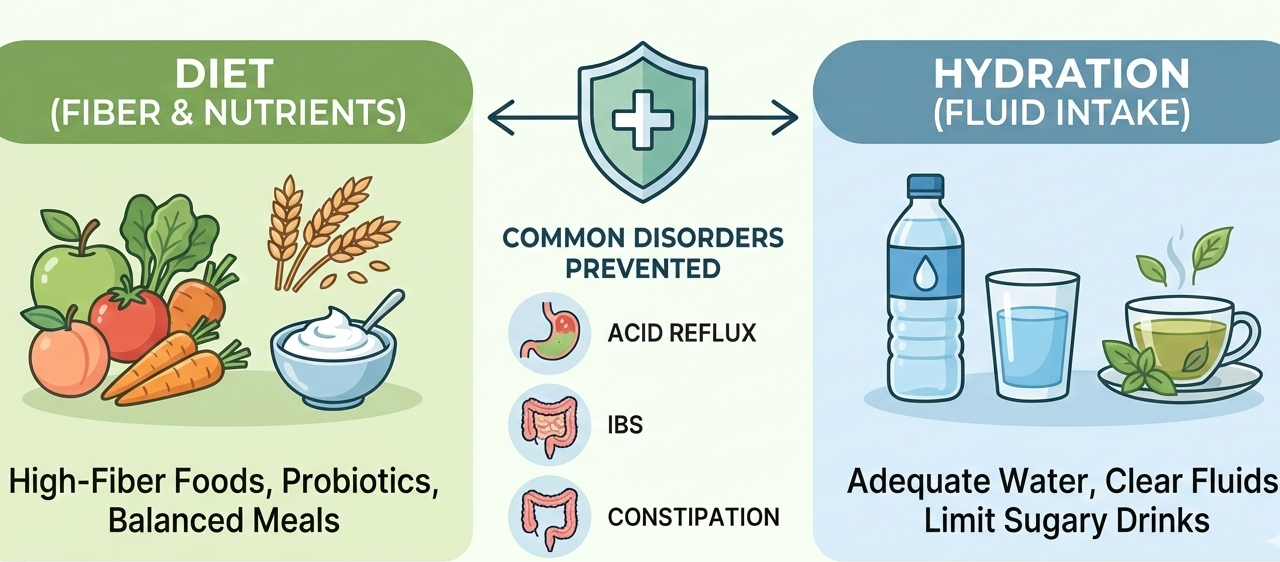
One of the strongest factors in the health of the digestive system is the diet. Fruits, vegetables, whole grains, and legumes contain high fiber and help in the formation of the stool and facilitate the flow of the intestines.
Food that has moderate amounts of food in form of a balanced meal will not overload our stomach hence there is less risk of indigestion. Restricting high fats and high-process food can also enhance the ease of digestion.
Slow changes in diet may be more permanent than drastic ones, and thus the digestive system can work well.
Liquids and Gastrointestinal Process
Water is very important in digestion. It aids the activity of enzymes, absorption of nutrients and formation of stool. Lack of proper hydration reduces the rate of digestion and increases the chances of constipation.
Consumption of fluids at all times during the day will ensure that there is balance in the digestive system. Incorporating hydrating foods that include fruits and vegetables can also aid in hydration.
The adequate hydration is in collaboration with fiber to ensure the comfortable bowel movements.
Physical activity and Gut Motility
The moving about stimulates the digestive tract muscles. Even moderate exercise, like walking, has an effect of enhancing intestinal motility and decreasing the risk of constipation.
Stress also is decreased through regular exercise, and this has a beneficial effect on the digestive comfort. Regular exercise helps the stomach to stand up.
Mindful Eating Practices
The digestion is highly dependent on eating habits. Slow eating and chewing give the digestive enzymes enough time to start breaking down food.
Mindful eating decreases the chances of overeating and decreases the symptoms of indigestion. Spending mealtime without distractions would help to be more sensitive to the fullness cues and healthier with portions.
Taking a big gap between meals will give the digestive system time to go through the digestive processes efficiently.
Stress and Digestive Health
There is a close relationship between the brain and the digestive system. Emotional stress has the potential to destabilize stomach acid, change the motility of the gut, and become more sensitive to pain.
Deep breathing, proper sleep and routine practices are relaxation methods that could help ease digestive stress symptoms.
Mental well-being is supported indirectly which facilitates the digestive process
Indications of when to see the doctor
Although lifestyle changes usually help in treating indigestion and constipation, recurrent or extreme symptoms should be addressed by the medical profession.
Weight loss without any apparent causes, excessive pain in the abdomen area, or blood in the stool cannot be overlooked. Early diagnosis is a guarantee of the right treatment and avoiding complications.
Long and Term Prevention Plans
The avoidance of digestive discomfort is achieved through regular lifestyles and not temporary solutions. The integration of a nutritional diet, hydration, physical activity, and awareness of what one eats makes the digestive system conducive.
The combination of listening to the body and treating minor symptoms at the initial stage will help to avoid progressive developments of chronic problems.
Investigating into the establishment of regular habits that will focus on the comfort of the digestive tract contributes not only to the health of the gut but also to the wellbeing as a whole.
Conclusion
Some of the most common digestive issues that have been reported are indigestion and constipation. Although this may be easy to handle in most cases, they may interfere with day-to-day comfort and quality of living in case they are not addressed.
Knowing the causes, symptoms and risk factors of these common digester disorders will enable them to be proactive. The preventative measures are based on dietary modifications, regular hydration, regular physical exercises and conscious eating habits.
With help of sustainable lifestyle practices, people will be able to contribute to the balance of the digestive system and feel a long-term comfort of the digestive system.