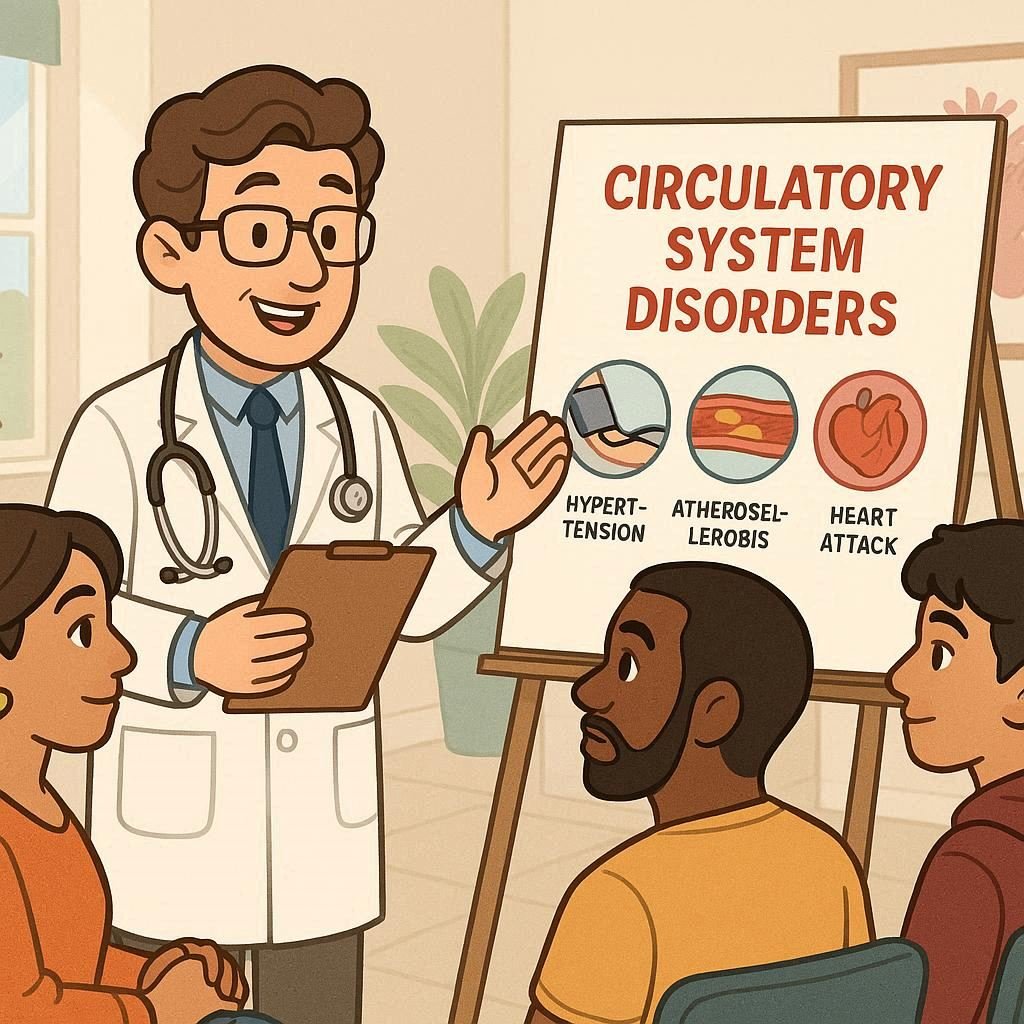
The circulatory system plays a vital role in the process of maintaining life as it makes the blood flow continuously all over the body. This network supplies tissues with oxygen, nutrients, hormones, and immune components and removes the waste products. Organs and cells are capable of their functions when the circulatory system works well. Nonetheless, the complications that may occur in the blood circulation or the integrity of the vessels can seriously disturb health and life quality.
Among common health problems in the world is circulatory system disorders. Hypertension, anemia and atherosclerosis are some of the conditions that disrupt normal blood flow, strain the heart and blood vessels. These illnesses tend to build up over time and can be not noted at the onset stages but this can result in severe complications when not treated.
This article discusses some of the general circulatory system disorders, their causes, symptoms, and impacts on the general health. It further highlights the need to identify health risks at an early stage and take preventive actions to minimize future health risks.
To facilitate comprehension of this subject, the necessary anchor connection is represented in the first half of the article below: circulatory system disorders.
Knowing Circulatory System Disorders
Circulatory system disorders can be defined as a disorder that affects the normal flow of blood or the destruction of the circulation structures. These diseases can involve the blood vessels, the blood or the heart. Disruption of circulation can result in the tissues getting inadequate oxygen and nutrients and the build-up of waste products.
Environmental factors, lifestyle choices, aging, and genetic factors can have an impact on such conditions. The most general causes are poor diet, physical inactivity, stress, and smoking. Due to the influence of circulation on all the organs systems, the disorder of this system can have far-reaching effects.
Knowledge on the development of these disorders is paramount in identifying the indicators of development at an early stage and eliminating severe complications.
High Blood Pressure: An Unspoken Circulatory Conditions
High blood pressure or hypertension is among the most common disorders of the circulatory system. It is caused by a constant high force of blood on the walls of the arteries. With time, this pressure is too much, and it kills blood vessels and overburdens the heart.
The issues associated with hypertension are that it is a disease that can manifest itself without any apparent signs. Most of the people are not even aware that they have high blood pressure until their health starts getting complicated. Chronic hypertension is a risk factor that exposes an individual to heart disease, stroke, kidney damage, and vision issues.
Hypertension has its effects outside the cardiovascular system. The decreased flexibility of vessels and the inability to deliver blood to brain and body tissues may influence the functioning of the brain and kidney filtration, which, in turn, may influence the level of energy. Regular monitoring is essential in order to detect the problem in the early stages before it becomes long term.
Causes and Risk Factor of Hypertension
There are a number of causes that lead to high blood pressure. Among the most widespread causes are excessive consumption of salt, obesity, physical exercise, and continuous stress. It is also affected by genetic predisposition which predisposes individuals as high blood pressure has a history in family.
Old age causes gradual loss of elasticity in the blood vessels which increases the possibility of developing hypertension with age. Also, diabetic conditions and kidney problems may also increase the pressure levels.
These risk factors are necessary to be managed in order to keep the circulation healthy and avoid hypertension-related complications.
Anemia and Its Impact on the Circulation in the Blood
Anemia is a condition, which is defined by the deficiency of the amount of red blood cells or the lack of hemoglobin in the blood. Anemia means that the blood is incapable of delivering sufficient oxygen to tissues because the red blood cells and blood are involved in the transportation of oxygen.
Anemic people tend to feel fatigued, weak, short-breathing, and feel dizzy. The symptoms are as a result of organs and muscles getting less oxygen than they need to operate normally. In extreme situations the anemia further burdens the heart which is compelled to operate more intensely to offset decreased oxygen supply.
Anemia emphasizes on the quality of blood in the circulatory health system since proper circulation is not only reliant on the blood flow but also the bloods capacity to dissolve oxygen.
Common Causes of Anemia
Nutritional deficiencies cause anemia especially iron, vitamin B12, and folate deficiencies. These are the nutrients required in production of red blood cells. Anemia can also be a result of chronic blood loss, like as a result of gastrointestinal diseases or heavy menstruation.
Some medical diseases impair the work of bone marrow or promote the destruction of red blood cells, which is a further cause of anemia. In other instances, inherited diseases modify the structure or the lifespan of the red cells.
The cause of anemia should be commonly determined and the normal circulation restored by the effective treatment.
Blood Vessel Narrowing and Atherosclerosis
Atherosclerosis is a disease affecting the circulatory system where PCs of fat forming deposits called plaques are deposited within the walls. This accumulation constricts blood vessels and lowers their flexibility limiting the supply of blood to vital organs.
The narrowing of arteries requires the heart to work harder to circulate blood to all body parts. This elevated work pressure makes the heart attack, stroke, and peripheral artery disease more likely. Slowing down of the movement of blood can also lead to pain, numbness, or tissue destruction in the region.
Atherosclerosis changes progressively and in most cases, it may not cause any symptoms until the point of severe obstruction and therefore, prevention at the early stages is particularly critical.
Contributing factors to Atherosclerosis
The factors contributing to the formation of plaque include unhealthy cholesterol levels, smoking, high blood pressure, and diabetes among other factors. High saturated fat and processed food diets predispose one to the formation of fatty deposits in arteries.
Inflammation is also influential in atherosclerosis where damaged vessel walls attract the presence of plaque. The plaques can rupture over time and cause blood clots thus increasing the obstruction of the circulation.
The development of this disorder can be slowed down or prevented by lifestyle changes and early management.
Effects of Circulatory Disorders to the General Health
The problems of the circulatory system do not refer only to the blood vessels and heart. Minimal blood flow affects the arrangement of oxygen and nutrition, worsening the actions of various body organs. Reduced circulation may lead to decreased brain health, which puts the person at risk of cognitive impairment.
Wound healing can also be slowed down, the immune system depressed and physical stamina can be lowered by poor circulation. In extreme situations, absence of oxygen can cause some damage to tissues or organ failure.
The fact that these are common impacts of unhealthy circulation is a reminder of the need to ensure the circulation remains healthy, to guarantee good health.
Identifying Symptoms and Red Flag
Circulatory disorders are better treated when they are identified at an early stage. Circulatory problems may be indicated by such symptoms as persistent fatigue, chest pain, shortness of breath, limb swelling and frequent dizziness.
The impaired blood flow can also be indicated by the changes in the color of the skin or its temperature, numbness, and pain during physical activity. Some of the symptoms are not very obvious, but one should not overlook them.
Frequent health examinations are very important in detection of circulatory problems prior to the development of severe complications.
The Prevention Measures and Lifestyle
One of the measures of mitigating the effects of the circulatory system disorders is prevention. A well-balanced diet with high levels of fruits, vegetables, whole grain, and lean proteins is helpful in maintaining the health of vessels and blood quality.
Exercise is good because it makes the heart stronger, blood circulates better, and blood pressure is maintained. Circulatory functioning is also maintained by adequate hydration and stress management.
The avoidance of tobacco consumption and the moderate consumption of alcohol are the key factors that would minimize the risks of developing the circulatory disorders.
Diagnostic Medicine and Surgery
In patients with the circulatory disorders, medical treatment is necessary. The therapies can be the use of drugs to control blood pressure, cholesterol, or the production of red blood cells.
The ability to check blood pressure, blood counts, and cholesterol levels helps healthcare workers to modify treatment programs and avoid complications. In severe cases, surgery or interventions can be required to reinstate the blood flow.
Continuous management assists individuals to sustain good circulation and livelihood.
The Significance of Knowledge and Enlightenment
Spreading the knowledge about disorders of the circulatory system allows making people take the right actions to prevent them. Knowledge of the development of these conditions leads to better lifestyle habits and early prevention.
Education will also help decrease the stigma that comes with chronic conditions, encouraging them to seek medical attention early and ensure good management of their health in the long run.
Risk factors and symptoms can be identified and help individuals prevent the burden of disease by protecting their circulatory health.
Conclusion
The disorders of the circulatory system, including hypertension, anemia, and atherosclerosis, can significantly affect the well-being of a person by interrupting blood circulation and interrupting the operation of vessels. These states deter the delivery of oxygen, pressure on the heart, and the possibility of severe complications.
Preventive care, early diagnosis, and proper medical attention are critical in ensuring that there is healthy circulation. Conceptualizing the causes and consequences of typical circulatory disorders, one will be able to make knowledgeable measures to preserve their health and enhance long-term results.
The circulatory system is essential in keeping one alive, and maintaining the functionality of the circulatory system is a core to health.