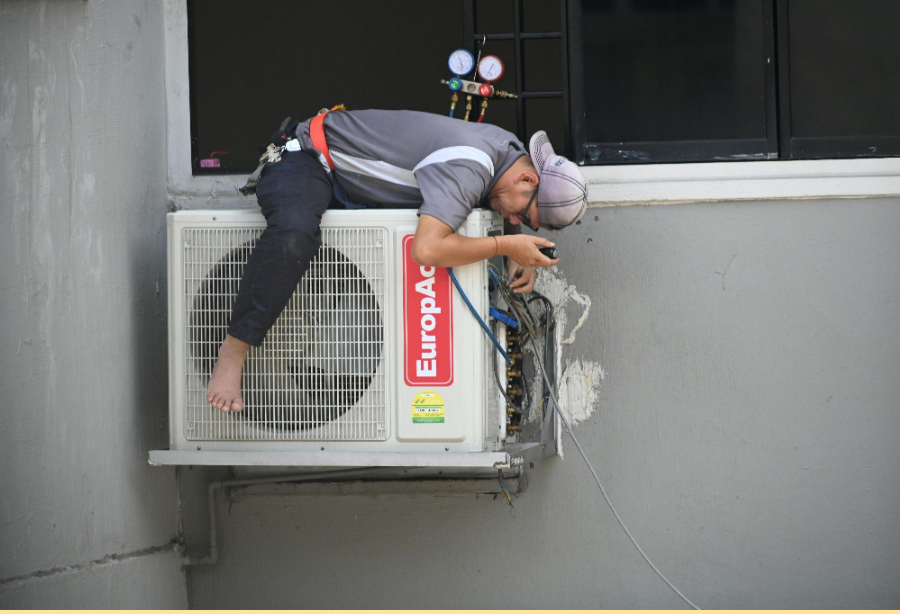
When it comes to ensuring a comfortable living environment, the importance of your heating, ventilation, and air conditioning (HVAC) system cannot be overstated. An optimal HVAC system transforms your home into a year-round oasis, adapting seamlessly to all weather conditions. Whether you are constructing a new house, updating an outdated HVAC system, or simply weighing your options, selecting the perfect system is crucial and demands thoughtful deliberation. This guide aims to offer detailed and valuable insights into selecting the most suitable HVAC installation services and system tailored to your specific needs. By focusing on key aspects such as energy efficiency, system type, size appropriateness, and the reliability of the installation service, this guide ensures that you make an informed decision. Such a decision not only enhances your home’s comfort but also optimizes energy use, contributing to long-term savings and environmental sustainability.
Understanding HVAC Basics
What Is an HVAC System?
An HVAC system regulates indoor temperature, humidity, and air quality. These systems typically include a furnace (heating), air conditioner (cooling), ductwork, and a thermostat. Some advanced systems also integrate smart technology for better control and energy management.
Components of an HVAC System
Heating: This part is usually a furnace or heat pump. Furnaces typically use gas or electricity to generate heat, while heat pumps can heat and cool the home.
Ventilation: It circulates fresh air, removes stale air, and balances humidity levels. Proper ventilation ensures healthy indoor air quality.
Air Conditioning: This system cools indoor air by extracting heat and moisture and is vital during summer.
Thermostat: The thermostat allows you to control the temperature and set automatic schedules.
Ductwork: The ducts carry conditioned air throughout the home.
Factors to Consider When Choosing an HVAC System
1. Climate and Weather Conditions
The climate in your region heavily influences the type of system best suited to your home. For instance, regions with extreme winters might benefit more from efficient heating systems like furnaces or geothermal heat pumps. Conversely, hot and humid regions require strong cooling systems such as central air conditioners.
2. Size of Your Home
The square footage of your home affects the HVAC capacity you require. A system that is too small will struggle to maintain comfortable temperatures, while an oversized unit will cycle on and off, wasting energy and potentially shortening its lifespan.
3. Energy Efficiency
Energy-efficient HVAC systems can significantly reduce energy bills. Look for systems with high Seasonal Energy Efficiency Ratio (SEER) and Heating Seasonal Performance Factor (HSPF) ratings. Energy Star-certified systems often indicate a good balance of efficiency and cost.
4. System Types
Split Systems: Traditional systems with separate indoor and outdoor units. Widely used and effective for most homes.
Hybrid Systems: Combine gas furnaces and electric heat pumps to optimize energy use based on outdoor temperatures.
Ductless Mini-Splits: Ideal for homes without ductwork or where zones require different temperatures.
Geothermal Systems: Use the earth’s constant temperature to heat and cool the home.
5. Smart Technology
Consider systems that offer smart thermostats and automation. Smart technology lets you control your HVAC system remotely via smartphones and even learn your temperature preferences over time, ensuring your home is always at the desired comfort level while reducing energy waste.
6. Noise Levels
Some HVAC systems can be noisy, affecting your comfort and quality of life. Check for systems with lower decibel ratings or noise-dampening features.
7. Installation Costs
While cheaper systems may be tempting, the initial cost should not be the only deciding factor. Higher-efficiency systems might be pricier upfront but save more on energy bills in the long term. Consider financing options or energy rebates to offset the initial costs.
8. Maintenance Requirements
Routine maintenance is vital to keeping your system operating efficiently. Some systems require more frequent servicing, so factor in these costs when choosing an HVAC system.
9. Reputation of the Installation Service Provider
The quality of installation directly impacts the efficiency and longevity of your system. Seek reputable installation services with positive customer reviews and certified technicians.
Choosing the Right HVAC Installation Service
1. Research and Recommendations
Online Reviews: Check online platforms like Google, Yelp, or the Better Business Bureau for honest customer feedback.
Ask for Referrals: Your neighbors or friends can recommend trustworthy local HVAC companies.
2. Licensing and Certification
Ensure that the installation service has proper licenses and certifications to handle HVAC systems. Technicians should also have North American Technician Excellence (NATE) certification or equivalent.
3. In-Person Evaluation
Reputable HVAC companies will conduct a thorough assessment of your home, considering size, insulation, and layout before recommending a system. Be wary of services that offer a quote without a proper evaluation.
4. Written Estimates and Contracts
Get detailed estimates and contracts that outline the costs, services, and warranty information. Avoid companies that hesitate to provide written documentation.
5. Warranties and Guarantees
Choose a service that offers warranties and guarantees on parts and labor. These provide peace of mind and protect you from unforeseen issues down the road.
6. Customer Service
Good customer service reflects a company’s reliability. Assess their communication style and willingness to answer your questions.
Conclusion
Choosing the right HVAC system and installation service is crucial for ensuring a comfortable and efficient living space. The system you select should align seamlessly with your local climate conditions, specific household needs, and the size of your home. It is essential to consider various system types available—ranging from traditional split systems to advanced geothermal solutions. Energy efficiency plays a critical role, not only in reducing your carbon footprint but also in managing household expenses effectively over time. Moreover, the reputation of the installation service provider cannot be overlooked, as it significantly influences the quality and reliability of the installation. When planning your purchase, take the time to thoroughly research potential HVAC systems and service providers. Seek out services known for their integrity and excellence. Look for reviews, ask for referrals, and compare different services to find the best match for your needs. This proactive approach guarantees that your home remains a sanctuary of comfort and efficiency throughout the year. By making well-informed decisions, you can enjoy a system that not only meets your comfort needs but also optimizes energy usage and reduces overall costs.