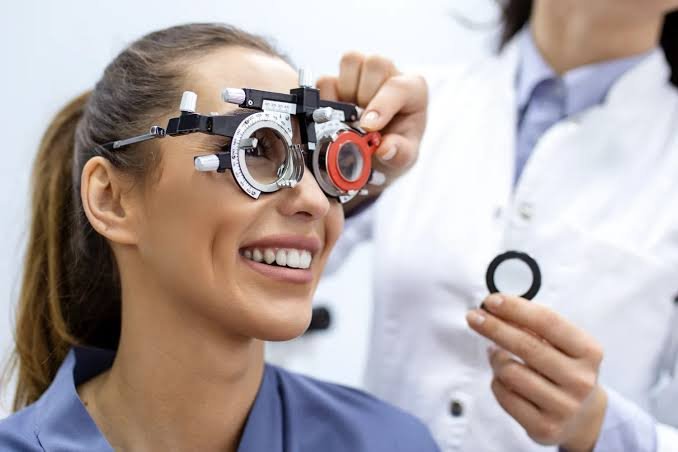
When was the last time you thought about your eye health? Do you know when it’s time to see an eye doctor or which specialist to choose for your specific needs? With so many options available, from optometrists to ophthalmologists, finding the right eye doctor can be overwhelming.
Whether you’re dealing with simple vision issues, considering Laser Eye Surgery, or needing treatment for more complex conditions like cataracts, it’s essential to choose the right professional to care for your eyes.
In this guide, we’ll cover the 5 key steps of choosing the right eye specialist, helping you make an informed decision that ensures your vision is in the best hands.
Top 5 Ways to Find the Best Eye Doctor Near Me
Time to discover the top 5 key strategies to find the best eye doctor near you for expert care and optimal eye health.
1. Understand the Different Types of Eye Care Professionals
Finding the right eye doctor in the UK starts with understanding the various types of specialists available to you. Each professional has specific expertise, and knowing who to see for your particular needs can make a difference in the quality of care you receive.
- Optometrists: Your Go-To for Vision Care
An optometrist is often the first point of contact for most eye care needs. They conduct eye exams, prescribe glasses or contact lenses, and can diagnose common eye conditions such as glaucoma and dry eyes. Optometrists are experts in vision correction and can also detect early signs of diseases, making them an essential part of your eye health team.
- Ophthalmologists: Specialised Medical Eye Doctors
If you require more advanced care, such as surgery or treatment for severe conditions like cataracts, you should consult an ophthalmologist. Ophthalmologists are medical professionals who specialize in both medical and surgical treatments for eye problems. They do laser eye surgery and pterygium surgery, as well as manage more difficult problems that optometrists cannot handle.
- Opticians: Experts in Eyewear
Opticians are professionals who focus on fitting and dispensing glasses and contact lenses according to prescriptions from optometrists or ophthalmologists. While they don’t diagnose or treat eye conditions, they play an essential role in helping you achieve the best vision correction through eyewear.
Which Specialist Should You Choose?
- See an optometrist for regular check-ups and common eye issues.
- Visit an ophthalmologist for surgical needs or complex eye conditions.
- Consult an optician when you need help choosing the right glasses or contacts.
2. Research Qualifications and Experience
When it comes to your eye health, you want to be sure you’re in capable hands. To ensure that, you must verify the qualifications and experience of any eye doctor you are considering.
- Credentials Matter
The first thing to check is the doctor’s credentials. In the UK, eye professionals must be registered with the General Optical Council (GOC) for optometrists and the Royal College of Ophthalmologists for ophthalmologists. This registration ensures that the doctor has met the necessary educational standards and is held to professional, ethical guidelines.
- Experience is Key
Experience plays a significant role in the quality of care. For complex treatments like Laser Eye Surgery or Cataract Surgery, choosing a doctor with ample experience with the procedure you need is vital. Ask about their experience treating specific conditions, how many surgeries they have performed, and their success rate.
- Check Patient Reviews
In addition to credentials and experience, take the time to look at patient reviews and feedback. Online platforms like Google and Trustpilot offer valuable insights into a doctor’s professionalism, bedside manner, and patient outcomes. A reputable doctor will have transparent patient feedback, which will help you gauge their reliability and expertise.
3. Consider the Doctor’s Communication and Approach
Choosing an eye doctor is not just about their technical expertise—how they communicate and interact with patients is just as important. Your eye care professional should be skilled and approachable, and clear in explaining your treatment options.
- Initial Consultation
Scheduling an initial session is an excellent approach to determine how comfortable you are with a specific doctor. During this appointment, consider how effectively the doctor listens to your concerns, answers your questions, and discusses available treatments. A skilled eye doctor will make you feel heard and understood.
- Clear Communication
Your doctor should be able to clearly explain any diagnoses, potential risks, and treatment options, such as Laser Eye Surgery or Pterygium Surgery. If a doctor uses jargon or doesn’t take the time to explain procedures and aftercare, it might be a sign that they aren’t the right fit for you.
- Trust and Comfort
You should feel at ease with your doctor and confident in their ability to guide you through any procedures or treatments. It might be worth seeking a second opinion if you feel uncomfortable or rushed during your visit.
4. Location and Accessibility
Choosing an eye doctor isn’t just about their expertise—it’s also about their location and accessibility. Convenience plays a huge role in making regular visits manageable, especially if you require ongoing treatments or follow-up care.
- Proximity Matters
Look for an eye doctor whose clinic is conveniently located near your home or workplace. This can be particularly helpful if you need to schedule multiple appointments or require frequent check-ups after procedures like Cataract Surgery or Laser Eye Surgery.
- Flexible Hours
Check to see whether the clinic has flexible hours to meet your schedule. To meet your personal and professional responsibilities, your doctor’s clinic must provide evening and weekend appointments.
- Emergency Care
Consider the availability of emergency care. Some eye doctors offer urgent appointments for issues like sudden vision loss, eye injury, or infections. This can provide peace of mind, knowing that you can rely on your doctor in urgent situations.
5. Evaluate the Clinic’s Facilities and Technology
The clinic where your eye doctor practices is just as important as the doctor themselves. Modern facilities equipped with the latest technology can significantly enhance your experience and treatment outcomes, particularly for advanced procedures such as laser eye surgery or Pterygium Surgery.
- State-of-the-Art Equipment
An eye doctor who invests in cutting-edge equipment demonstrates their commitment to providing high-quality care. Look for clinics that use modern diagnostic tools, such as digital retinal imaging, which allows for detailed and accurate assessments of your eye health.
- Clean and Comfortable Environment
The cleanliness and organization of the clinic should also be a priority. A well-maintained, hygienic environment not only ensures your safety but also helps you feel more comfortable and relaxed during visits.
- Patient Comfort
Patient comfort is essential, especially for longer procedures or surgeries. Check whether the clinic has amenities like comfortable waiting areas, privacy during exams, and a team that’s attentive to your needs.
Conclusion
Selecting an ideal eye specialist involves evaluating their credentials, communication approach, accessibility, and clinic technology. The right professional ensures comprehensive care from routine checkups to complex procedures like laser corrections or cataract treatments.
The Vision Surgeon stands out in Colchester with advanced equipment, extensive experience, and personalized patient care. Their dedicated team delivers tailored solutions for every vision need.
Ready for better eyesight? Schedule your consultation with The Vision Surgeon now and discover the path to superior visual clarity and health.