The application of car wraps enables drivers to achieve multiple benefits, such as exterior design alteration while safeguarding factory paint and allowing promotion of their commercial activities. Before purchasing a car wrap you must wonder about its lifespan duration. A car wrap’s life expectancy depends on three major components and two environmental elements: material composition, installation quality, maintenance practices, and exposure to environmental factors. This article examines “ How long does a car wrap last “ with both durability determinants for car wraps and the methods used to increase their lifetime.
How Long Does a Car Wrap Last?
High-quality car wraps function between five and seven years as standards of longevity. Vehicle wraps can maintain their quality over several years. Still, their lifespan reduces when exposed to extreme environmental conditions. Multiple conditions decide how much time your car wrap will survive.
Factor that are Affecting a Car Wrap’s Lifespan:
1. Quality of the Vinyl Wrap:
The durability of the vinyl products largely depends on the choice between the types, the level of material is also notable. Any car wrap made of premium vinyl material for instance 3M, Avery Dennison or Oracle will last longer than car wraps from other substandard materials. They are also UV, moisture resistant and can be moderately scratch resistant thus making them of high quality.
2. Proper Installation:
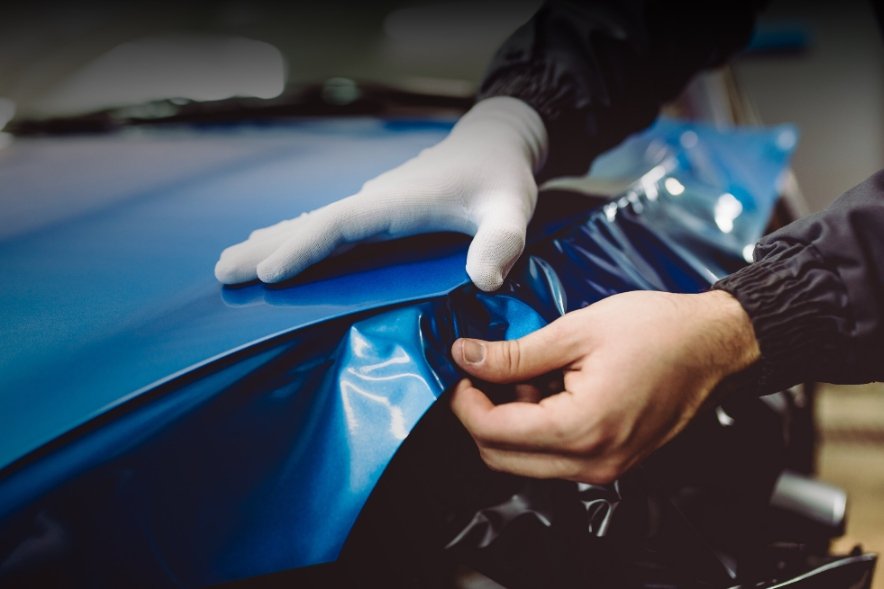
A car wrap needs professional installation to achieve maximum survival time. A wrap installation that fails to meet professional standards will develop bubbles, creases, and edges that peel easily, resulting in early damage to the wrap. Experienced wrap installation professionals must be hired to secure faultless installation results.
3. Exposure to Sunlight and Weather Conditions:
UV rays, combined with extreme environmental conditions, eventually lead to vinyl breakdown. Sun exposure directly on cars causes them to fade and crack before cars in shaded parking lots. The adhesive’s longevity is shortened because high heat, cold temperatures, and excessive humidity affect its bonding systems.
4. Frequency of Washing and Maintenance:
The most important thing a car wrap owner must know is that the wrap’s texture must always be clean. Thus, accumulating debris, pollution, and other agents tarnish the wrap’s surface over time. The car should be washed with mild soap and water by hand. In contrast, any automated car washing technique, including brushes, should not be used, as it tends to scratch off or peel off the edges of the wrap.
5. Road conditions and the effects on wear and tear:
However, when the car is frequently used and driven on highways or rough ground, including gravel, it will encounter dust, debris, and small stones that scratch or tear the wrap. Romantic driving could mean less wear on the car. At the same time, hostile terrains lead to the degradation of car parts with relatively high speed.
6. Protective Coatings and Laminates:
It is beneficial to know that you can protect the car wrap with a laminate that shields it from UV light. Laminates also protect the vinyl from the direct African sun, scuffs, and trowel-related particles that can fade the colour and its look.
Signs That Your Car Wrap Needs to Be Replaced:
Though buying the best quality wraps is a good idea, every material does not go through wear and tear. It starts to resemble its current state during its early days. The following signs can serve as a signal of the need for a new one:
- Colour degradation: The wrap’s colours may fade due to frequent exposure to the sun.
- Peeling Edens: You should observe that the sides of the plastic film are starting to peel up through the bottom edge, as this may not stick well to the board.
- HSD Question: Cracking or bubbling—Some causes of the formation of thin film cracks and bubbles include heat or cold, together with lack of maintenance.
- Visible Scratches and Tears: Another reason for this is that if your wrap has several scratches or tiny tears, it is ideal to take it off to make your car look shiny again.
How to Increase the Lifespan of Your Vehicle Wrap?
This is the reason why it is recommendable that you take the following preventive measures that would enhance the longevity of the car wrap:
1. Park in a Shaded Area or Use a Car Cover:
It is advisable to park the car in the garage or in any other shaded area, as weather effects can be destructive on the wrap. In the absence of a roof within the parking bay one has to ensure that the car is roofed especially in situations where it will spend a long time in the parking bay.
2. Wash Your Car Regularly:
Washing your car softly every one to two weeks can avoid the accumulation of dirt on the surface of the vehicle, which can wear out the car wrap. Do not use power washing or anything that involves high pressure on the wall’s surface.
3. Avoid Harsh Chemicals:
Common solvents, strong detergents, and petroleum-based cleaners must not be used on vinyl wraps. These chemicals cause the adhesive to change colour.
4. Be Careful with High-Speed Driving:
As noted earlier, highway use involves high travelling speeds, which expose your wrap to harsh conditions, including rocks, debris, and wind friction. This puts your graphic under more pressure and, hence, causes it to wear out quickly. One should avoid driving on bumpy terrain to minimize the impacts that may occur to the vehicle.
5. Repair Small Damages Immediately:
An experienced technician should tend to any tiny splits or flaking edges of the blinds to prevent them from worsening.
Conclusion:
Therefore, it brings the question of “ How long does a car wrap last “. Again, the answer depends on the quality of the vinyl that has been used, the installation that was done, the manner in which the vinyl floor was maintained during its useful life and the usage conditions that the floor has undergone. Wash properly a wrap, and it should have a useful life of up to five to seven years, or even more. Being an investment, one must keep it well-maintained to remain a source of profit and shelter for quite a long time. One should try not going out in the scorching sun for long hours, and if there are minor faults or dents on the vehicle, they should be rectified immediately.
FAQs:
Q1. Is it easy to remove a car wrap?
A: Yes, car wraps can be brought back without causing harm to the car painting since quality vinyl used in the processing of the car wrap should be used and correctly applied. However, some may need professional service to be peeled off in case they have aged and become more difficult to remove.
Q2. How much does a car wrap reduce the value of a car?
A: No, a car wrap is a good idea because it doesn’t harm and instead protects the car’s original paint. However, if the wrap is poorly removed or if the car paint was previously damaged, problems are likely to emerge.
Q3. Can I wax my car wrap?
A: Yes, traditional wax can damage vinyl wraps because it usually causes the vinyl to melt. In this case, it is recommended to use a cover-safe sealant or a spray wax suitable for vinyl materials.
Q 4. What is the price range when it comes to car wrapping service?
A: The price of the car wrap will vary depending on the size of the car and quality of the vinyl that shall be used. The cost of running a full-body wrap ranges between $200 and $5000, depending on the kind of full-body wrap you use
Q5. Here, such questions will arise like matte or gloss.
A: Consequently, matte and gloss wraps are comparable in their duration of use. Nevertheless, matte wraps can look slightly worse as they tend to accumulate dirt and minor scratches more often.
So, knowing the tips for proper maintenance, you can be sure that your car wrap will serve you for many years!