Key Takeaways
- Property owners have a legal duty to keep their premises safe for visitors.
- Immediate action after a slip-and-fall helps protect your rights and supports your claim.
- Proving negligence is crucial for a successful claim.
- Deadlines for filing claims vary by state and must be respected.
- Legal guidance can help you secure the compensation you deserve.
Table of Contents
- Understanding Premises Liability
- Key Steps to Take Immediately After a Fall
- Establishing Negligence
- Statute of Limitations
- Potential Compensation
- Comparative Negligence
- Consulting a Legal Professional
- Conclusion
Understanding Premises Liability
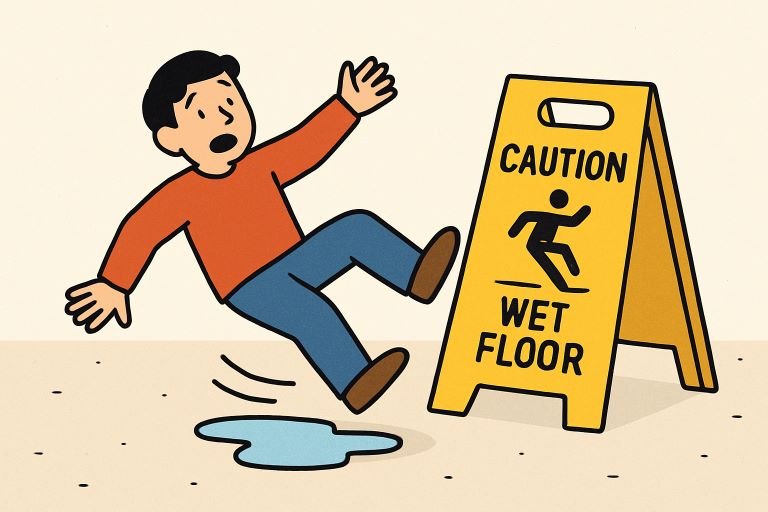
Slipping and falling on a wet floor can lead to serious injuries and long-lasting consequences. In these situations, the legal principle of premises liability becomes vitally important. Property owners, including business managers and landlords, have a responsibility to ensure their premises are free of hazardous conditions to protect guests and visitors. If a property owner fails in this duty and someone is injured, unsafe property injury claims can be made to pursue compensation for damages.
This duty is not unlimited, but it does require owners to act reasonably. For example, quickly addressing spills or prominently marking wet floors can prevent injuries. Failure to do so can be critical evidence when building your case after a slip and fall incident.
Key Steps to Take Immediately After a Fall
- Report the Incident: Always notify the property manager or owner of your accident right away and have them file an official report. Request a copy of this report for your documentation.
- Document the Scene: Use your phone or camera to photograph the specific area, including the wet surface and any lack of warning signs. Collect contact details from witnesses who saw what happened; their accounts may be helpful later.
- Seek Medical Attention: Even if your injuries initially appear mild, see a healthcare professional promptly. Some injuries can develop symptoms or complications over time, and medical records provide a reliable timeline of events.
Taking these actions immediately not only supports your case but can also make the claims process much smoother and more effective. For more background on the importance of evidence collection, consider reviewing guidance from prominent legal publications such as Nolo.
Establishing Negligence
Success in a wet-floor slip-and-fall claim centers on proving that the property owner was negligent. To establish negligence, you must demonstrate that the owner knew or should have known about the hazardous condition and failed to act accordingly. For instance, if a store manager ignored a spill for an unreasonable period without placing warning cones or signage, this behavior would likely be considered negligent. The burden of proof is on you, the claimant, to show that the property owner’s actions, or lack of reasonable actions, directly caused your injury.
Statute of Limitations
Laws in every state set specific time limits (statutes of limitations) on when you can file a claim for a slip and fall injury. Most states require claims to be filed within one to three years of the accident. Missing these deadlines can mean losing your right to pursue compensation forever. Determining the correct limitation period is essential and can sometimes depend on where the injury took place or who owned the property, such as a private business versus a government entity.
It is best to begin the process as soon as possible to preserve your legal options and allow for the collection of fresh evidence, both of which are positively viewed by the courts. For a summary of statutes of limitations by state, refer to the resource provided by the New York City Bar Association.
Potential Compensation
Victims of slip and fall accidents may be entitled to compensation for a variety of damages. Common recoverable losses include:
- Medical expenses such as emergency room visits, operations, or physical therapy
- Lost wages due to missed work while recovering
- Pain and suffering reflect the physical discomfort and emotional distress caused by the injury
- Rehabilitation and ongoing care costs if your injuries require long-term treatment
The total compensation you might receive depends on the severity of your injuries and the impact they have on your life. Thorough documentation and strong evidence of costs help maximize your potential recovery.
Comparative Negligence
In some states, liability is shared among everyone involved. This is known as comparative negligence. If you are found partly responsible for your fall (for example, if you were running in a posted “caution” area), your compensation may be reduced in proportion to your share of the fault. If a court finds you 20 percent responsible, your award would be reduced by that same percentage. Understanding your rights under your specific state’s laws is essential in any personal injury claim.
Consulting a Legal Professional
Slip-and-fall claims can involve intricate legal and factual questions. Consulting with a qualified premises liability attorney offers you guidance on the complexities of your case. Legal professionals help gather and analyze evidence, negotiate with insurance companies, and represent your interests during settlement negotiations or in court if necessary. If you have suffered injuries from a wet-floor slip-and-fall, legal representation often increases the likelihood of a favorable outcome.
Conclusion
Experiencing a slip-and-fall accident can be both painful and confusing. By knowing your rights and taking timely, informed actions, you substantially improve your ability to recover losses and move forward. Always document every aspect of your case, adhere to legal deadlines, and seek advice from professionals experienced in premises liability. Your proactive steps can make all the difference in achieving a fair settlement or court verdict.