The word “calamariere” may sound unfamiliar to many people, but it has a fascinating background and a variety of meanings depending on the context in which it is used. For some, it relates to culinary traditions involving calamari or squid-based dishes. For others, it may refer to a person, product, or tool associated with calamari preparation. In any case, this term has cultural, gastronomic, and even linguistic significance that deserves a closer look.
In this article, we will explore what calamariere means, how it is used, and why it has become an interesting term for both food lovers and language enthusiasts. Whether you are curious about Italian cuisine, seafood preparation, or the deeper roots of culinary terms, this guide will help you understand everything about calamariere in a clear and simple way.
What Does “Calamariere” Mean?
The term calamariere is derived from the word “calamari,” which refers to squid, a popular seafood used in many cuisines around the world. In Italian, calamari is the plural form of calamaro, meaning squid. The suffix -iere in Italian often refers to a person associated with a certain profession, specialty, or role.
So, when combined, “calamariere” can be interpreted as “a person who works with calamari” — such as a chef, cook, or vendor specializing in squid dishes. In a broader sense, it can also refer to any individual skilled in preparing calamari in various styles, from grilled and fried to stuffed or stewed.
The word may also appear in creative contexts such as restaurant names, culinary brands, or product titles that highlight their association with squid or seafood cuisine.
The Cultural and Culinary Roots of Calamari
To understand the meaning of calamariere, it’s helpful to first appreciate the cultural significance of calamari itself. Calamari, or squid, has been a part of Mediterranean diets for centuries. In Italy, Spain, Greece, and many coastal regions, calamari is considered both a simple comfort food and a refined delicacy.
Squid is rich in protein, low in fat, and versatile in preparation. It can be grilled, fried, sautéed, boiled, or even eaten raw in dishes like sushi and sashimi. Italian and Mediterranean cuisines especially celebrate calamari for its unique flavor and texture.
A calamariere, therefore, can be seen as someone who honors this seafood tradition. Whether it’s a chef preparing fried calamari rings, a fishmonger selecting fresh squid from the morning catch, or a restaurateur curating a seafood-focused menu, the calamariere plays a central role in bringing these dishes to life.
Role of a Calamariere in the Kitchen
If we think of the calamariere as a culinary professional, their role involves much more than just cooking squid. Working with calamari requires skill, precision, and understanding of texture and timing.
Squid can be tricky to prepare. If overcooked, it becomes rubbery; if undercooked, it can be tough or chewy. A skilled calamariere knows exactly how to balance these factors to achieve the perfect tenderness.
Main Responsibilities of a Calamariere
- Selecting Quality Squid:
Freshness is key. The calamariere ensures that the squid has clear eyes, a mild ocean scent, and firm flesh. - Cleaning and Preparing:
Preparing calamari requires removing the beak, cartilage, and ink sac, followed by washing and slicing. The calamariere masters this process to maintain the best flavor and presentation. - Cooking Techniques:
Whether frying calamari rings, grilling tentacles, or making stuffed squid, the calamariere uses proper heat control and timing to preserve taste and texture. - Recipe Innovation:
A creative calamariere experiments with marinades, spices, and cooking styles, blending traditional methods with modern culinary trends. - Presentation and Service:
In fine dining, how calamari is plated and served is just as important as taste. The calamariere ensures visual appeal and balance in every dish.
Popular Calamari Dishes Around the World
Because calamari is loved worldwide, the calamariere often adapts recipes to local tastes and traditions. Here are a few of the most iconic calamari dishes you might encounter in different cuisines:
- Italian Fried Calamari (Calamari Fritti):
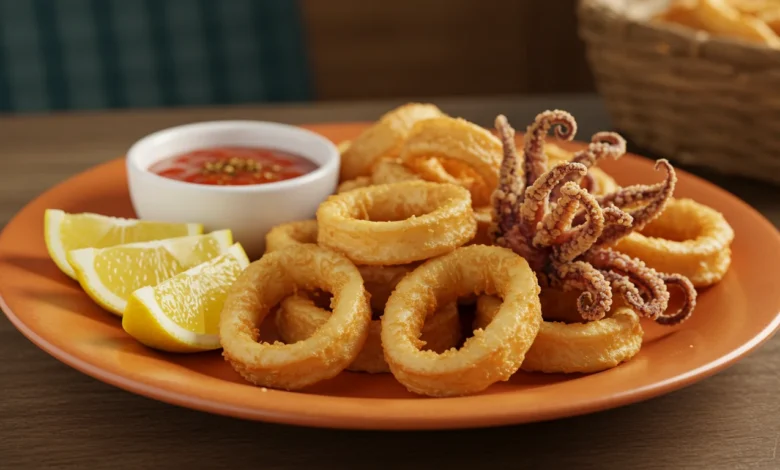
Lightly battered and fried rings of squid served with lemon and marinara sauce. A classic appetizer across Italy and beyond. - Spanish Calamares a la Romana:
Similar to the Italian version but often served with aioli or other dipping sauces. A staple in Spanish tapas bars. - Greek Kalamarakia Tiganita:
Deep-fried calamari with herbs, lemon, and olive oil — simple yet full of flavor. - Stuffed Calamari (Calamari Ripieni):
A traditional Italian dish where squid tubes are filled with a savory mixture of breadcrumbs, garlic, herbs, and sometimes seafood or cheese. - Asian-style Grilled Calamari:
Found in Japanese, Korean, and Thai cuisines, grilled squid is often marinated in soy, sesame, or spicy sauces.
Each of these dishes reflects the creativity and skill of the calamariere, adapting one ingredient — squid — into countless delicious variations.
Health Benefits of Calamari
Another reason the calamariere holds importance is because calamari itself is a nutritious food. While it’s often enjoyed for its taste and texture, it also provides several health benefits.
- High Protein:
Calamari is a lean source of protein, supporting muscle growth and repair. - Low Fat:
When grilled or boiled instead of deep-fried, squid is low in saturated fats, making it a heart-healthy option. - Rich in Vitamins and Minerals:
Calamari contains vitamin B12, selenium, phosphorus, and zinc — all important for energy, immunity, and overall wellness. - Omega-3 Fatty Acids:
Like many seafood types, calamari offers omega-3s that support brain and heart health.
A knowledgeable calamariere can prepare calamari in ways that maintain these nutrients while keeping dishes delicious and balanced.
Tools and Equipment Used by a Calamariere
To perform their work efficiently, a calamariere relies on specific tools and techniques. These are some of the most common:
- Sharp Knives and Filleting Tools: For precise cleaning and cutting.
- Grill or Fryer: Depending on the recipe.
- Tongs and Skewers: For handling squid safely during cooking.
- Marinating Bowls and Brushes: To flavor the squid before cooking.
- Thermometers and Timers: To ensure ideal cooking conditions.
Having the right tools helps the calamariere maintain consistency and quality in every dish.
Calamariere as a Restaurant Concept or Brand
In some contexts, “Calamariere” might not just describe a person but also represent a restaurant name or culinary brand. Because the term carries an Italian and seafood-related tone, many seafood restaurants or Mediterranean eateries choose names like Il Calamariere to reflect their specialty in squid and other ocean delicacies.
A restaurant named “Calamariere” might highlight freshness, authenticity, and the art of seafood preparation. It signals to customers that they can expect well-prepared, flavorful calamari dishes inspired by coastal traditions.
Calamariere in Modern Cuisine
In modern gastronomy, the calamariere’s role is evolving. Today’s chefs blend traditional seafood methods with new techniques like sous vide, air frying, or molecular gastronomy to create lighter, healthier, and more innovative calamari dishes.
Contemporary calamariere chefs also focus on sustainability. With growing awareness about overfishing and environmental impact, responsible sourcing has become essential. A mindful calamariere chooses squid from sustainable fisheries, reducing ecological harm while ensuring quality.
Moreover, vegan or plant-based versions of calamari are also gaining popularity. Some chefs use mushrooms or plant proteins to mimic the texture of squid — showing that the creativity of a calamariere can adapt to modern dietary trends.
How to Become a Calamariere
For those inspired by seafood and the art of cooking calamari, becoming a calamariere is about mastering both skill and passion. Here’s a simple path to get started:
- Learn the Basics of Seafood Preparation:
Understand how to clean, store, and cook squid properly. - Experiment with Recipes:
Try different cooking styles — frying, grilling, or stuffing — to develop your signature flavor. - Train Under Experienced Chefs:
Working in a seafood restaurant can teach valuable techniques and kitchen discipline. - Focus on Presentation:
Calamari dishes should look as good as they taste. Learn plating and garnishing skills. - Study Nutrition and Sustainability:
Modern diners care about health and the environment. A knowledgeable calamariere should too. - Stay Creative and Curious:
Explore global cuisines and find inspiration from diverse flavors and traditions.
Becoming a calamariere is not just about following recipes; it’s about understanding an ingredient deeply and transforming it into something memorable.
Conclusion: The Art and Soul of the Calamariere
The word calamariere may not yet be widely recognized, but it beautifully captures the spirit of those who bring calamari to life in kitchens around the world. It represents a mix of tradition, technique, and creativity — the qualities that define great cooking.
Whether you view it as a profession, a culinary identity, or even a restaurant name, calamariere reflects the heart of seafood artistry. It reminds us that behind every plate of perfectly cooked calamari, there is a skilled hand, a thoughtful process, and a deep appreciation for flavor and culture.