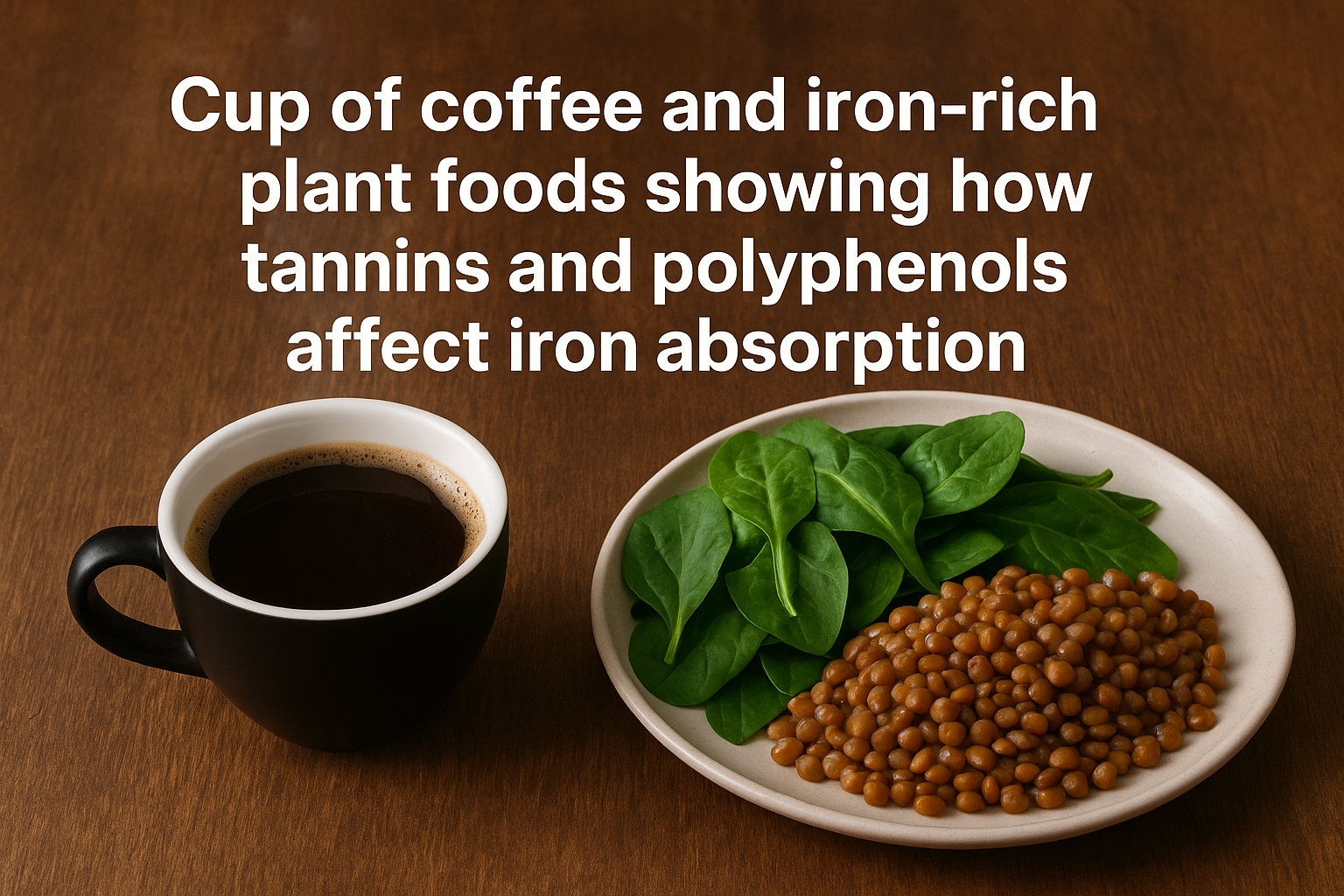
Iron is important in ensuring that our body is energized, that it aids in production of red blood cells and even the movement of oxygen around the body. Nevertheless, in spite of its significance, iron deficiency is one of the most frequent nutritional issues of the global community whether it is a developing or a developed country. With the increasing awareness, there are also increased queries on the lifestyle factors that may be involved to obstruct the absorption of iron. The impact of coffee and tea as two favorite drinks on the capacity of the body to absorb this vital mineral is one of the most frequently discussed problems.
Studies have established that caffeine, but the tannins and polyphenols that are present in coffee and tea are the primary offenders that can prevent iron absorption. Nonetheless, that does not imply that you need to quit your morning latte or cup of Earl Gray. Rather, the idea of timing and moderation can be employed to balance both the desire of having your favorite drinks and the need to maintain your iron level.
This paper will discuss the science of caffeine absorption, iron absorption, research on timing of meals and give practical suggestions on how to manage the consumption of coffee and tea.
Learning to Absorb Iron
Food sources of iron are in two major forms namely heme and non-heme iron.
- Animal-based sources of heme iron include red meat, poultry and fish. The body takes it in better.
- Plant foods including beans, lentils, spinach, and fortified cereals are sources of non-heme iron. Its rate of absorption is slower and it is readily affected by other nutritional ingredients.
Among vegetarians and vegans, and those who consume a lot of diets based on plants, non-heme iron constitutes the major portion of the intakes. Regrettably, non-heme iron is more susceptible to inhibitors such as tannins, polyphenols and phytases and as such, it is particularly important to the above groups to know how coffee and tea may impact nutrient absorption.
The Tannin and Polyhed Polyphenol Role
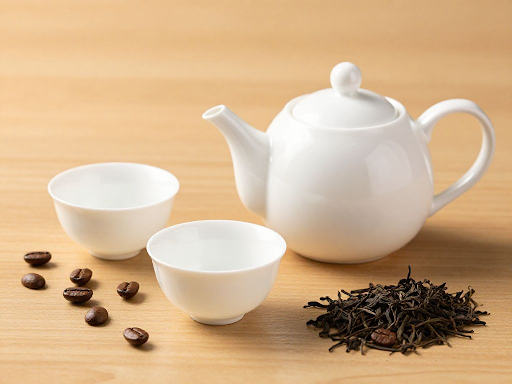
Natural tannins and polyphenols are compounds found in coffee and tea. These plant-derived chemicals are known due to their antioxidant effect and possible health effects, including the prevention or abatement of heart diseases as well as the prevention of inflammatory processes. But they too have a negative side: they may interact with non-heme iron in the digestive tract and make it more difficult to absorb by the body.
To find out more about the nutritional value of tannins and polyphenols in food, not drinks, but meat, in which their effects may be positive.
Coffee or tea polyphenols bind to the iron in the stomach forming an insoluble complex with it and are not absorbed and pass on through the digestive tract. This effect is most evident when the drinks are taken together with meals as opposed to taking it alone.
The Extent to Which Coffee and Tea Decreases Iron Absorption and How Much?
Research has always indicated that coffee and tea have a considerable potential to inhibit the absorption of non-heme iron in the presence of meals rich in iron.
- A cup of coffee taken with a meal will lower the non-heme iron absorption by up to 39 percent.
- Black tea contains a lot of tannin so it could cut down the absorption by up to 64 percent when taken with a meal high in iron.
- Green tea has tannins that are less than those in black tea but have the ability to lower iron absorption by approximately 25-30%.
It varies according to dose: the higher the intake of coffee or tea is taken with food, the more absorption is inhibited. Nevertheless, this inhibition is not irreversible. It is possible to reduce the effects of caffeine and iron by spacing the intake of these two substances.
Timing Matters: With Meals vs. Between Meals
The most feasible approach in alleviating the effects of caffeine on iron absorption is the nature of the time of drinking coffee or tea.
- During or right after a meal: The strongest inhibitory influence on absorption of iron is associated with drinking coffee or tea during or right after a meal.
- Between Meals: One should not have coffee or tea within one-two hours after a meal because this can greatly reduce the chances of interference.
This time delays adsorption of tannins and polyphenols in the system thus enabling the body to absorb a reasonable amount of iron.
Following this timeline can make a difference noticeably to people who may be susceptible to iron deficiencies like women of childbearing age, children, and vegetarians.
Does Caffeine by Itself Have an Impact on Iron?
Surprisingly, caffeine alone is not that much of an inhibitor of iron absorption. Most interference is caused by the polyphenols and tannins in tea and coffee. This implies that an effect of other caffeinated products, e.g. soda or energy drink, might be lesser unless it also includes polyphenol compounds.
With that being said, these beverages are not a perfect substitute as they also have their own health issues, including sugar overload.
Who Should Be Most Concerned?
Not all people have to be as concerned about the impact of coffee and tea on iron. Some groups are more at risk of iron deficiency and they should be more attentive:
- During pregnancy: Women who are pregnant require a lot of iron.
- Children and adolescents: Higher levels of iron are needed during growth spurts.
- Vegetarians and vegans: They are more prone to this because of relying on non-heme sources of iron.
- Women who are heavy menstruators: Blood loss increases the iron needs.
- Patients with health issues: e.g. anemia or gastrointestinal disorders that impair the absorption of nutrients.
To these groups, a minor change in the timing of taking beverages may be useful in ensuring that iron level remains healthy and coffee or tea are not entirely eliminated.
Some Risk Reduction Hacks
Considering that you enjoy your morning coffee and at the same time, you want to ensure that you are not low in iron, the following are evidence-based strategies:
Time Your Drinks Wisely
Have coffee or tea at least one or two hours after meals rather than with meals.
Pair Iron with Vitamin C
Vitamin C increases the absorption of non- heme iron. Citrus fruits, strawberries, or bell peppers may be added to the meals to counter some inhibitory effects.
Moderation is Key
A single or two cups of coffee or tea per day, without meals, will not be problematic to most individuals.
Consider Iron-Rich Snacks
When you have frequent caffeine intake like drinking coffee or tea, schedule snacks that are rich in iron at intervals when you are not taking caffeine.
Alternate Beverages
Non-polyphenol herbal teas (such as chamomile or rooibos) may serve as a good meal substitute.
The Bigger Picture Coffee, Tea and Health
Although tannins and polyphenols may disrupt iron absorption they have also been known to have documented health benefits. Polyphenols are effective antioxidants, which can help the body to withstand oxidative stresses, heart health and even cancer prevention.
Therefore, the aim is not to stop taking coffee or tea, but to take them in a strategic manner. These drinks can still be a healthy addition to your diet without compromising on the intake of nutrients when combined with iron and these drinks.
How Much is Too Much?
A general amount of maximum safe coffee or tea intake to absorb iron does not exist since it is individual-diet and illness-dependent. Nevertheless, the guidelines that help include the following:
- Most healthy adults are unlikely to be harmed by taking 1-2 cups of it each day between meals.
- The amount of 3-4 cups per day can start to affect iron absorption and particularly among individuals who are at risk of deficiency.
- In those who are already iron deficient or have anemia, it would be advisable to avoid excessive consumption of coffee and tea before and after meals unless the level is restored.
Finally, the balance would rely on dietary patterns. When you eat a lot of foods with iron-iron, particularly heme iron, then drinking a moderate amount of coffee or tea is not so important.
Conclusion
Millions of people all over the world start and end their day with coffee and tea that brings them comfort, taste and health. However, their tannins and polyphenols have the ability to lower the absorption of non-heme iron especially when they are taken together with meals. The positive news is that you do not need to abandon such drinks in order to guard your iron status. Through a spacing of your drinks, matching the iron rich foods with vitamin C and moderation, you can have the best of the both worlds.
So, how much is too much? A few cups per day, taken at the right time, are quite safe to most people. Your coffee break and your iron can be mutually sustained with prudent modifications.
You’ve opened my eyes to new possibilities.