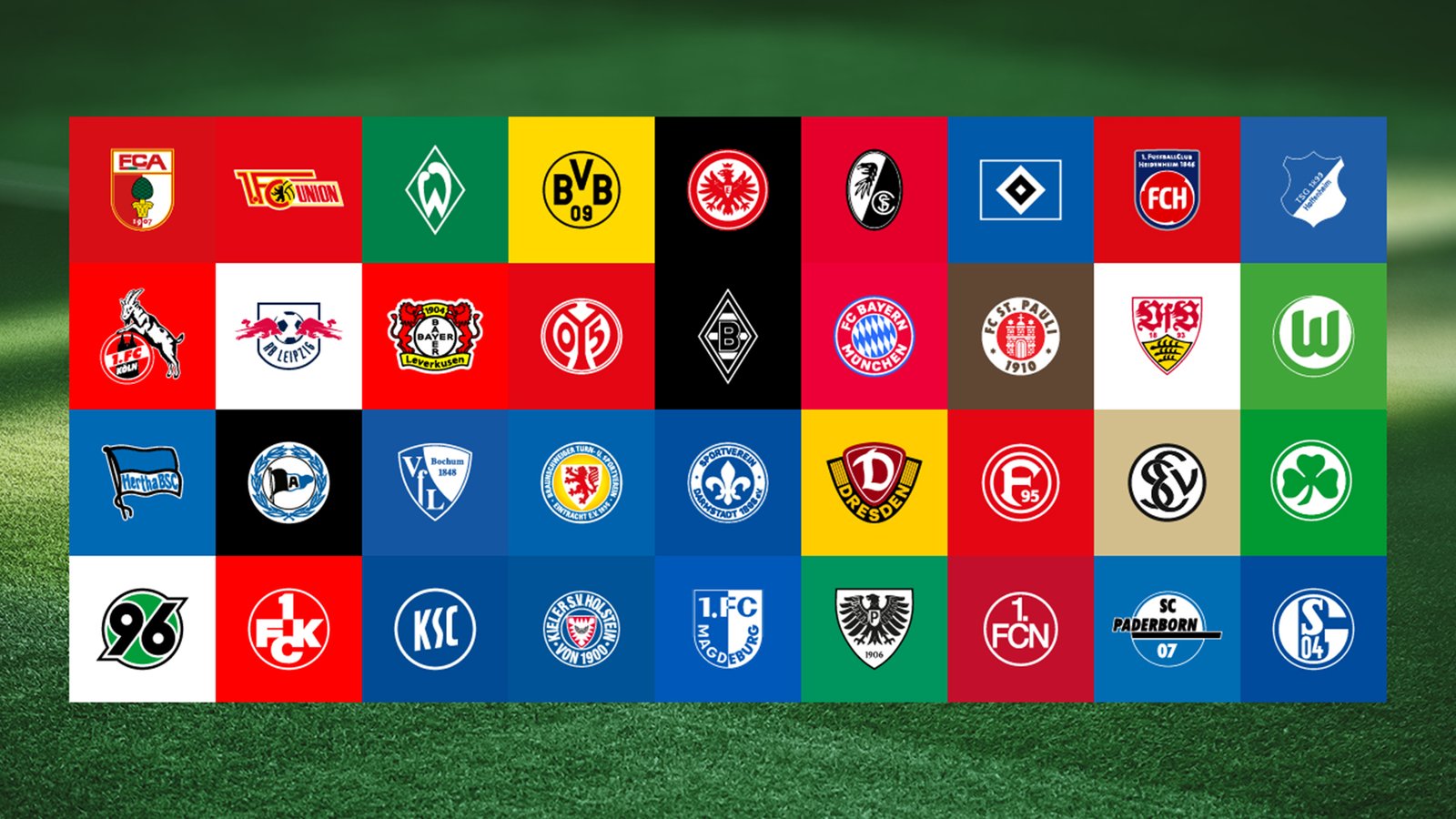
The Bundesliga stands as one of the world’s most exciting football leagues, blending high-octane action, passionate fans, and top-tier talent. As we dive into the 2025/26 season, the league continues to captivate global audiences with its competitive edge and innovative play. Whether you’re a die-hard supporter or a newcomer, this guide explores everything from its rich history to current stars and future prospects. With Bayern Munich dominating the standings and new teams adding fresh energy, the Bundesliga remains a powerhouse in European football.
History of the Bundesliga
The Bundesliga kicked off in 1963, revolutionizing German football by creating a professional national league. Before that, regional competitions dominated, but the need for a unified structure led to its formation. The first season featured 16 teams, with 1. FC Köln claiming the inaugural title. Over the decades, the league expanded to 18 teams in 1965 and has stayed that way since.
Bayern Munich has been the dominant force, securing over 30 titles, including a streak of 10 consecutive wins from 2013 to 2022. However, underdogs like Bayer Leverkusen broke through in 2024, ending Bayern’s reign and proving the league’s unpredictability. The Bundesliga’s emphasis on youth development and financial stability has helped it weather challenges, including the COVID-19 era, where it was one of the first leagues to resume play.
In the 1970s and 1980s, stars like Franz Beckenbauer and Gerd Müller elevated the league’s profile, leading to international success for German clubs in Europe. The 1990s brought reunification, integrating East German teams and boosting talent pools. Today, the Bundesliga boasts a perfect mix of tradition and modernity, with advanced analytics and global scouting shaping its evolution.
Structure and Format of the Bundesliga
The Bundesliga operates on a straightforward system: 18 teams play each other home and away, totaling 34 matches per season. It runs from August to May, with a winter break in December and January for player recovery. Points are awarded as three for a win, one for a draw, and none for a loss. The top four teams qualify for the UEFA Champions League, while fifth and sixth enter the Europa League. The bottom two face automatic relegation to the 2. Bundesliga, and the 16th-placed team enters a playoff.
Promotion and relegation keep things dynamic, ensuring fresh faces each year. For instance, the 2025/26 season welcomed back Hamburger SV and 1. FC Köln, two historic clubs adding depth. Matches are known for high scoring—averaging over three goals per game—thanks to attacking philosophies and strict financial rules like the 50+1 ownership model, which gives fans majority control and prevents overspending.
This structure fosters competition, with mid-table teams often upsetting giants. The DFB-Pokal cup runs alongside, offering another path to European spots.
Current Teams in the Bundesliga (2025/26 Season)
The 2025/26 lineup features a blend of powerhouses and ambitious returnees. Here’s the full list:
- FC Bayern München
- Bayer 04 Leverkusen
- Eintracht Frankfurt
- Borussia Dortmund
- SC Freiburg
- FSV Mainz 05
- RB Leipzig
- SV Werder Bremen
- VfB Stuttgart
- Borussia Mönchengladbach
- VfL Wolfsburg
- FC Augsburg
- FC Union Berlin
- FC St. Pauli
- TSG 1899 Hoffenheim
- FC Heidenheim 1846
- FC Köln
- Hamburger SV
Bayern Munich, based in Munich, remains the benchmark with their star-studded squad. Borussia Dortmund, from the industrial heartland, thrives on youth and energy. Newcomers like Hamburger SV bring nostalgia, having been absent for seven years, while St. Pauli adds a unique, progressive vibe from Hamburg’s vibrant district.
Each team has its own identity: RB Leipzig focuses on data-driven recruitment, while Union Berlin emphasizes community and grit.
Current Standings and Highlights (As of December 2025)
Midway through the 2025/26 season after Matchday 15, Bayern Munich leads with 41 points, unbeaten and in record form. Borussia Dortmund follows at 32 points, showing promise under coach Niko Kovač. Bayer Leverkusen and RB Leipzig tie at 29 points, with Hoffenheim and Stuttgart close behind.
Key highlights include Bayern’s 4-0 thrashing of Heidenheim, featuring goals from Harry Kane and Luis Díaz. Leverkusen’s 3-1 win over Leipzig showcased Patrik Schick’s prowess. Harry Kane dominates the scoring charts, with his goals and assists highlighting Bayern’s attack.
The winter break offers rest, with teams like Hamburg aiming to climb from mid-table. Surprises include Union’s solid defense and Freiburg’s entertaining style, while Mainz struggles at the bottom with just 8 points.
Legendary Players and Coaches
The Bundesliga has produced icons who shaped football. Franz Beckenbauer, “Der Kaiser,” revolutionized defending with his libero role at Bayern. Gerd Müller scored 365 Bundesliga goals, a record until Robert Lewandowski’s 312. Modern legends include Philipp Lahm, known for tactical intelligence, and Manuel Neuer, redefining goalkeeping.
Coaches like Jürgen Klopp started at Mainz before global fame, emphasizing high-pressing “Gegenpressing.” Current stars like Harry Kane (Bayern) continue the legacy, with 2025 seeing Kane’s dominance and emerging talents like Karl from Dortmund. Women’s side features legends like Alexandra Popp, inspiring the next generation.
Famous Rivalries in the Bundesliga
Rivalries fuel the Bundesliga’s passion. The “Der Klassiker” between Bayern Munich and Borussia Dortmund is the biggest, pitting southern giants against Ruhr valley underdogs. Matches often decide titles, with electric atmospheres.
The Revierderby between Dortmund and Schalke 04 (though Schalke is in lower leagues) remains iconic. In Hamburg, the city derby between Hamburger SV and St. Pauli highlights cultural clashes—traditional vs. alternative. Other heated matchups include Köln vs. Mönchengladbach (Rheinland derby) and Frankfurt vs. Mainz.
These games draw massive crowds, with choreographed tifos and chants amplifying the drama.
Fan Culture and Stadiums
Bundesliga fans are legendary for their loyalty and creativity. The 50+1 rule ensures fan ownership, keeping tickets affordable—averaging €30—and fostering inclusive atmospheres. Standing sections like Dortmund’s “Yellow Wall” at Signal Iduna Park (81,365 capacity) create intimidating vibes, voted the best stadium in 2025/26.
Bayern’s Allianz Arena glows in team colors, while Freiburg’s Europa-Park Stadion emphasizes sustainability. Fan culture includes ultras’ pyro displays and anti-commercialism protests, making matches social events. In 2025, global appeal grows through international fan clubs.
Women’s Bundesliga: Rising Stars
The Frauen-Bundesliga, founded in 1990, is surging in popularity. In 2025, attendance hit records, like 57,000 at Allianz Arena for Bayern vs. Wolfsburg. The league features 12 teams, with Bayern and Wolfsburg dominating, but newcomers like Jena add excitement.
A new €100 million investment plan aims for full professionalism, boosting global competitiveness. Stars like Lena Oberdorf and Giulia Gwinn shine, with the DFB forming a dedicated organization in 2025 to elevate the league. Average crowds exceed 90,000 per matchday, signaling massive growth.
Global Impact and Future Trends in 2025
The Bundesliga’s influence extends worldwide, with broadcasts in over 200 countries. Its affordable model contrasts Premier League spending, attracting talents like Kane from abroad. In 2025, trends include AI for sponsorships, enhanced fan engagement via apps, and global rights deals.
Sustainability initiatives, like green stadiums, and youth academies ensure long-term success. Germany might secure five Champions League spots again, boosting prestige. Challenges include balancing tradition with commercialization, but the league’s fan-centric approach positions it for continued dominance.
Conclusion
The Bundesliga in 2025 embodies football’s essence: thrilling competition, devoted fans, and innovative spirit. From Bayern’s supremacy to the women’s league’s rise, it offers something for everyone. As the season unfolds, expect more drama, goals, and memorable moments. Whether watching from the stands or afar, the Bundesliga’s energy is infectious, solidifying its place among the elite leagues.
FAQs
What is the Bundesliga?
It’s Germany’s top professional football league, featuring 18 teams in a promotion-relegation system.
Who is leading the Bundesliga in 2025?
As of December 2025, Bayern Munich tops the table with 41 points after 15 matchdays.
How many teams qualify for the Champions League from the Bundesliga?
Typically four, but strong European performances can earn an extra spot, as seen in recent years.
What makes Bundesliga fan culture unique?
Affordable tickets, fan ownership via 50+1, and vibrant ultras create inclusive, passionate atmospheres.
Is the Women’s Bundesliga growing?
Yes, with record attendances and new investments pushing it toward global recognition.
Who are some legendary Bundesliga players?
Icons include Franz Beckenbauer, Gerd Müller, and modern stars like Harry Kane.