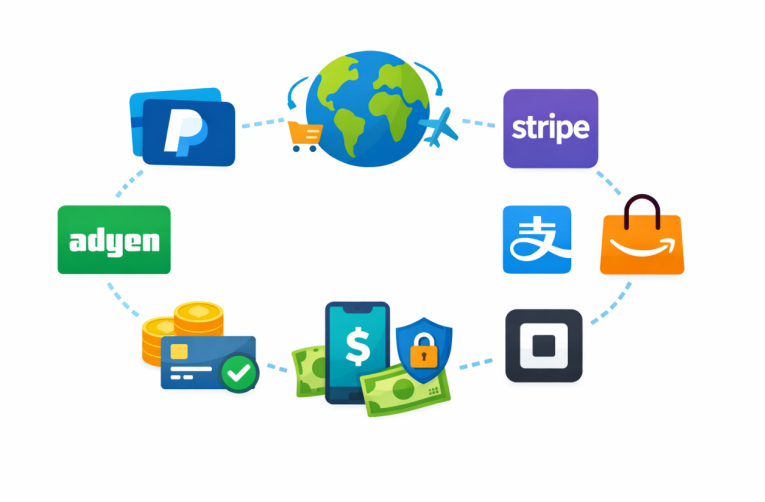
Choosing the best 第三方支付平台 for global online businesses is one of the most important decisions any digital entrepreneur, ecommerce store owner, SaaS founder, or service provider can make. Payments are the backbone of online commerce. If your payment system is slow, unreliable, limited by geography, or difficult for customers to use, your growth will suffer no matter how strong your product or marketing is.
A modern global business needs more than just a basic payment processor. It needs multi-currency support, fraud protection, smooth checkout experiences, mobile optimization, subscription tools, compliance support, and wide international coverage. Third party payment platforms provide these capabilities without requiring businesses to build complex financial infrastructure themselves.
This in-depth guide explains how third party payment platforms work, what global businesses should look for, which platforms are considered top tier, and how to choose the right solution based on your business model and expansion goals.
Meta description: Best third party payment platform for global online businesses with secure cross-border payments, multi-currency support, low fees, and fast checkout.
What Is a Third Party Payment Platform
A third party payment platform is a service provider that processes payments on behalf of online businesses. Instead of building direct banking integrations, merchant accounts, and card networks internally, businesses connect to a third party provider that handles the transaction flow.
These platforms typically manage:
Payment authorization
Transaction routing
Currency conversion
Fraud screening
Chargeback handling
Settlement and payouts
Compliance and security standards
They act as the bridge between customers, banks, card networks, and merchants. This allows businesses to accept payments quickly across borders with minimal setup time.
For global online businesses, third party payment platforms are especially valuable because they simplify international payments, local methods, and regulatory requirements.
Why Global Online Businesses Need Third Party Payment Platforms
International online businesses face challenges that domestic businesses often do not. Customers pay using different currencies, cards, wallets, and regional payment systems. Regulations vary by country. Fraud risk profiles differ by region.
A strong third party payment platform solves these challenges by offering:
Global card acceptance
Local payment methods
Multi-currency pricing
Localized checkout pages
Automated tax and compliance tools
Cross-border fraud controls
Fast global settlements
Without such a platform, expanding internationally becomes technically complex and operationally risky.
Key Features of the Best Third Party Payment Platform for Global Online Businesses
When comparing providers, global businesses should evaluate platforms based on core capabilities rather than brand recognition alone.
Global Coverage
The best platforms support merchants and customers in many countries. This includes:
Wide merchant onboarding coverage
Customer payment acceptance across regions
Local acquiring banks
Regional processing optimization
Global coverage improves approval rates and reduces transaction failures.
Multi Currency Support
Global customers prefer to pay in their own currency. A top platform supports:
Pricing in multiple currencies
Automatic conversion
Local currency settlement
Transparent FX rates
This improves trust and conversion rates.
Multiple Payment Methods
Cards alone are not enough anymore. Leading platforms support:
Credit and debit cards
Digital wallets
Bank transfers
Real time payment systems
Regional methods
Mobile payments
Offering local methods often increases conversion dramatically in certain markets.
Security and Compliance
Security is critical. The best providers offer:
PCI DSS compliance
Tokenization
Encryption
Fraud detection engines
Risk scoring
Strong customer authentication support
Security tools should be built in, not optional extras.
Developer Tools and Integrations
Modern businesses need flexibility. Strong platforms provide:
Well documented APIs
SDKs for mobile and web
Plugins for ecommerce platforms
Subscription billing tools
Webhook systems
Reporting dashboards
Easy integration reduces development time and errors.
Transparent Fees
Fee structures should be understandable. Look for:
Clear transaction fees
Predictable FX margins
No hidden setup costs
Reasonable chargeback fees
Transparency helps financial planning.
Leading Third Party Payment Platforms for Global Online Businesses
Below are some widely recognized third party payment platforms used by global online businesses today.
Stripe
Stripe is known for developer friendly infrastructure and flexible global payments. It is popular with startups, SaaS companies, and technology driven businesses.
Strengths include:
Powerful APIs
Subscription and billing tools
Marketplace payments
Global card support
Strong fraud tools
Extensive integrations
Stripe works well for businesses that want customization and scalable architecture.
PayPal
PayPal is one of the most recognized payment brands worldwide. Many customers already trust and use it, which can increase checkout confidence.
Advantages include:
Strong global brand trust
Wallet based checkout
Wide country coverage
Buyer and seller protection systems
Easy setup
It is often used alongside card processors to give customers more choice.
Adyen
Adyen focuses on enterprise and high growth global businesses. It provides unified commerce across online and offline channels.
Key strengths:
Direct acquiring network
Strong international routing
Enterprise grade risk tools
Omnichannel support
Advanced analytics
It is often chosen by larger global brands.
Square
Square is popular among small and medium businesses that want both online and offline payment solutions.
Benefits include:
Simple setup
Integrated POS
Online store tools
Invoicing features
Small business friendly design
It is strong for hybrid businesses selling both digitally and physically.
Worldpay
Worldpay is a long established global processor serving many enterprise merchants
Strengths include:
Wide global acquiring
Large scale processing
Industry specific solutions
Alternative payment support
Cross border optimization
It is often used by large ecommerce operations.
How to Choose the Best Third Party Payment Platform for Global Online Businesses
There is no single universal best platform. The right choice depends on your business model and growth strategy.
For SaaS and Subscription Businesses
Choose platforms with strong recurring billing tools, automated invoicing, and subscription management. Developer APIs and webhook systems are especially important.
For Ecommerce Stores
Look for broad payment method support, ecommerce platform plugins, fraud protection, and optimized checkout flows.
For Marketplaces
Marketplace and split payment features are critical. You need the ability to pay multiple sellers and manage escrow style flows.
For Digital Services
Fast onboarding, invoicing tools, and global card acceptance matter most.
For Enterprise Global Brands
Focus on direct acquiring networks, multi-region optimization, and advanced reporting.
Fee Structures Explained
Third party payment platform fees usually include:
Transaction percentage fee
Fixed per transaction fee
Currency conversion margin
Chargeback fees
Optional premium tools fees
Global businesses should model fees based on their average transaction size and geographic mix.
Lower headline fees do not always mean lower total cost. Approval rates and fraud performance also affect real profitability.
Fraud Management for Global Payments
Cross border transactions have higher fraud risk. The best third party payment platform for global online businesses includes built in fraud controls such as:
Behavior analysis
Device fingerprinting
Velocity checks
AI risk scoring
Rule based filters
Fraud tools should be configurable so businesses can tune risk tolerance.
Checkout Experience and Conversion
Payment platforms directly affect conversion rates. Good platforms support:
One page checkout
Saved payment methods
Wallet buttons
Mobile optimized flows
Localized language and currency display
Faster checkout equals higher revenue.
Payout Speed and Cash Flow
Global businesses must consider settlement timing. Platforms vary in payout speed:
Daily payouts
Rolling reserves
Weekly settlements
Instant payout options
Cash flow planning depends heavily on payout schedules.
Compliance and Regulatory Support
Global payments require regulatory compliance across regions. Top platforms assist with:
Identity verification
KYC processes
AML screening
Strong authentication rules
Data protection standards
Using a strong third party platform reduces compliance burden.
Integration With Business Tools
The best third party payment platform for global online businesses integrates with:
Ecommerce platforms
Accounting software
CRM systems
Subscription tools
Analytics dashboards
Integrated data reduces manual work and improves decision making.
Scalability for Growth
Your payment platform should support growth without requiring migration every year. Look for:
High transaction limits
Multi entity support
Multiple business accounts
Advanced reporting
Global expansion tools
Switching platforms later can be costly and disruptive.
Final Thoughts
The best 第三方支付平台 for global online businesses is the one that aligns with your geography, business model, technical needs, and growth plans. Global commerce demands more than basic card processing. It requires multi currency capability, strong fraud tools, broad payment method support, secure infrastructure, and smooth checkout design.
Platforms like Stripe, PayPal, Adyen, Square, and Worldpay are widely trusted because they solve global payment complexity at scale. Each has different strengths, so the smartest approach is to match platform capabilities to your specific use case.
A well chosen payment platform does more than process transactions. It increases trust, improves conversion, reduces fraud, supports compliance, and enables global expansion. In today’s borderless digital economy, that makes it one of the most strategic technology decisions any online business can make.