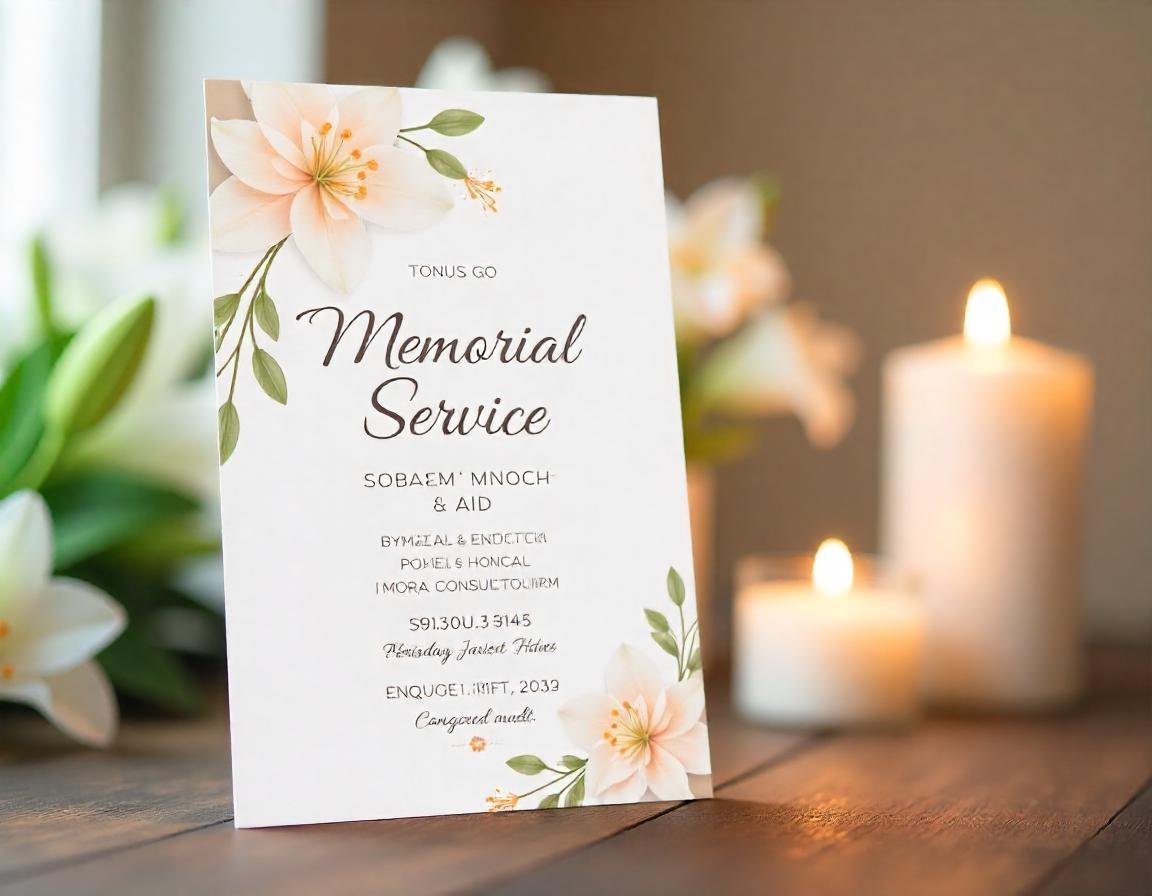
Designing a funeral flyer for a memorial service is a delicate and important task. It’s a way to honor a loved one while conveying critical details about the service. The flyer must reflect the solemnity of the occasion while offering information clearly and respectfully. Whether it’s a small gathering or a large memorial, the design of the flyer can play a significant role in setting the tone of the event. In this blog, we will explore the best practices for designing funeral flyers for memorial services, ensuring that they are both respectful and effective.
Why Funeral Flyers Are Important for Memorial Services
Funeral flyers are a key tool for informing family members, friends, and community members about memorial services. They provide essential details such as the date, time, location, and any other important instructions for attendees. Beyond providing logistical information, funeral flyers also offer a way to celebrate the life of the deceased. A thoughtfully designed flyer serves as both an invitation to the memorial service and a keepsake that can help individuals remember and honor the deceased.
Because memorial services are sensitive events, the flyer’s design must reflect the dignity and respect of the occasion. A well-crafted flyer can convey emotion, honor, and respect, all while maintaining clarity and professionalism. As such, creating a funeral flyer goes beyond mere graphic design – it is about striking a balance between sensitivity and functionality.
Key Elements of a Memorial Service Flyer
When creating a funeral flyer, it’s important to keep in mind both the emotional tone and the need for clarity. Below are the key elements that should be included to make sure the flyer communicates effectively:
1. Simple Yet Elegant Design
The funeral flyer design should reflect the somber nature of the event. A funeral flyer should not be over-complicated with excessive design elements. Instead, aim for a clean and elegant layout that is easy to read and visually appealing. Soft tones, minimalistic backgrounds, and simple borders can help evoke a respectful and calm atmosphere.
The use of negative space is also essential. It allows the important information to stand out, making the flyer easier to navigate. Keeping the layout simple ensures that the flyer doesn’t overwhelm the reader and that the purpose of the flyer is communicated clearly.
2. Clear and Readable Fonts
Fonts play a crucial role in conveying a sense of dignity and respect. For funeral flyers, it is essential to choose fonts that are both legible and elegant. Opt for serif fonts, as they are traditionally associated with professionalism and readability. Avoid overly decorative or script fonts that might be difficult to read, especially at smaller sizes.
Fonts should be large enough to read at a glance, with key details like the deceased’s name, the event date, and the location highlighted. It’s also important to maintain a hierarchy of text, making sure that the most important details are emphasized without overwhelming the flyer.
3. Use of Colors and Imagery
Colors and imagery should be chosen carefully. For a funeral flyer, muted or neutral colors are best, as they convey respect and serenity. Colors such as soft blues, grays, pastels, or earth tones are appropriate choices. Darker colors, such as black or deep purple, can also be used to reflect the gravity of the occasion.
When it comes to imagery, it’s important to use respectful and personal visuals. This could include a photo of the deceased, which helps personalize the flyer and make it a meaningful tribute. Additionally, nature-inspired imagery like flowers, trees, or candles can help convey a sense of peace and remembrance. Avoid using overly graphic or gaudy images, as they may detract from the solemn tone of the event.
4. Essential Event Information
A memorial service flyer must include all the essential details that attendees need to know. These include:
- The name of the deceased: This should be prominently displayed at the top of the flyer.
- The date and time of the service: Make sure this information is easy to find and highlight.
- Location: Include the name and address of the venue where the service will take place.
- Any special instructions: If there are any additional instructions, such as donations to a charity, virtual attendance details, or attire requests, these should also be clearly stated.
These details are important for ensuring that those invited to the memorial service can easily find the information they need and understand the significance of the occasion.
5. Personalized Messages
Funeral flyers often include a brief message or quote that reflects the personality of the deceased or the sentiment of the family. These messages can be a meaningful tribute and offer comfort to those mourning the loss. Consider including a meaningful quote, a favorite saying, or a short poem that speaks to the life and legacy of the deceased.
Incorporating a message or short biography can also help personalize the flyer and give those attending a sense of connection to the person being memorialized.
Step-by-Step Guide for Designing a Memorial Flyer
Designing a memorial flyer can feel like a heavy responsibility, but breaking the process down into steps can make it more manageable. Follow these steps to create a respectful and professional memorial flyer:
Step 1: Choose the Right Template
The first step in designing a memorial flyer is selecting the right template. Many online design tools offer templates specifically designed for funeral and memorial services. These memorial flyer templates are usually created with respectful colors and design elements in mind. If you choose to start from scratch, make sure the layout is simple and balanced. The flyer should allow enough room for text, but not be too crowded with visuals.
Step 2: Select Meaningful Imagery
Once you have the template, choose the appropriate images. A high-quality, respectful photograph of the deceased is typically the most impactful image to include. Other meaningful imagery, such as flowers or peaceful landscapes, can complement the tone of the flyer. Make sure the images are clear, high-resolution, and tastefully chosen.
Step 3: Incorporate Compassionate Language
The language on the flyer should be compassionate and respectful. Start with a clear headline, such as “In Loving Memory of [Name].” You may also want to include a short paragraph about the life of the deceased, emphasizing their positive qualities, contributions, and the love they shared with family and friends.
Remember to keep the tone of the language appropriate for the occasion. Avoid humor or casual expressions, as this can detract from the solemn nature of the event.
Step 4: Keep It Simple
Simplicity is key. The flyer should not be overcrowded with too many design elements or excessive text. Ensure that the font sizes are appropriate, making the flyer easy to read from a distance. Focus on the most important details and keep the information organized in a way that is easy for readers to follow.
Step 5: Proof and Edit
Before finalizing the flyer, take time to proofread it carefully. Check for any spelling or grammatical errors, and ensure that the event details are accurate. It’s a good idea to ask a family member or friend to review the flyer as well to ensure everything is correct. Once the flyer is approved, you can proceed to print or distribute it digitally.
Best Practices for Distribution
Once your funeral flyer is designed, it’s time to distribute it to those who need to attend or pay their respects. Here are some tips for both digital and physical flyer distribution:
Local Distribution
- Funeral Homes and Religious Centers: These places are key locations for handing out printed funeral flyers. You can leave flyers at the funeral home or church where the service will be held.
- Community Centers and Businesses: For larger communities, it may be appropriate to distribute flyers at local businesses or community centers to ensure that everyone is informed.
Digital Distribution
- Email and Social Media: If the family or organizers have an email list, they can send the digital flyer to notify others. Sharing the flyer on platforms like Facebook can also help reach a wider audience. With thoughtful social media marketing, you can ensure the flyer is seen by friends and family, making it easier for everyone to come together in remembrance.
- Online Memorial Websites: Many families choose to create online memorial pages. Flyers can be shared on these sites to ensure that people can easily access event details.
Conclusion
Designing a funeral flyer for a memorial service is about more than just providing event details – it’s about creating a meaningful tribute to a loved one while ensuring that attendees are informed and able to pay their respects. By following these best practices and design guidelines, you can create a flyer that is both respectful and informative.