Table of Contents
- Set a Realistic Budget
- Research Reliable Models
- Inspect the Vehicle Thoroughly
- Review Service Records and Vehicle History
- Evaluate Mileage and Engine Type
- Assess Frame and Body Condition
- Test Drive and Mechanical Inspection
- Negotiate the Best Deal
Purchasing a used pickup truck is a smart move for budget-conscious buyers seeking dependable performance and utility. The truck market offers a wealth of options, but knowing how to distinguish a good deal from a potential money pit is key to a satisfying purchase. By following best practices and focusing on proven strategies, you can confidently navigate your search for the right trucks near me and ensure you select a vehicle that delivers long-term value.
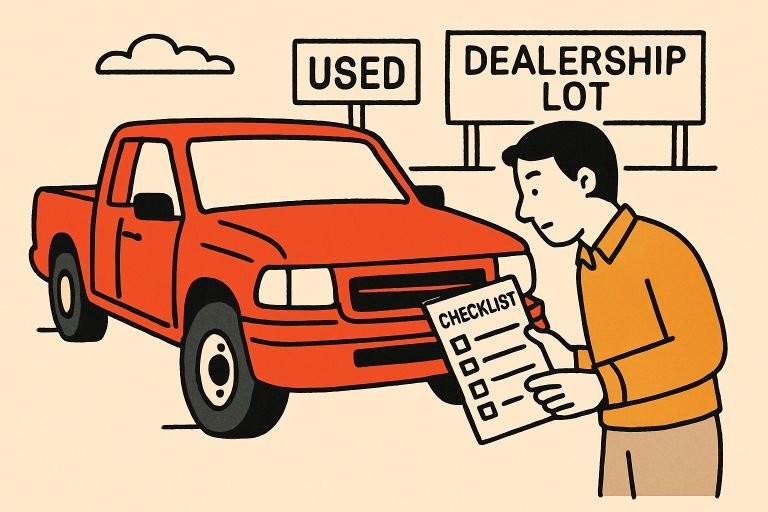
Before jumping into the dealership lot or browsing online ads, it’s essential to have a plan. Savvy shoppers stand apart by doing their homework, understanding their budgets, and knowing which questions to ask. These steps help minimize risks and maximize the likelihood of securing a used truck that genuinely fits your needs.
Whether you’re interested in weekend projects, daily commutes, or heavy-duty work, finding the right used pickup means evaluating reliability, condition, and ownership costs. While scoring a good deal is part of the equation, long-term reliability and maintenance expenses should remain your priorities to avoid unpleasant surprises.
The following guide addresses the most crucial steps, from research to negotiation. By taking the time to examine each point, you can approach the process with greater knowledge and confidence. For even more insights into current trends and model reviews, consult trusted sources such as Kelley Blue Book.
Set a Realistic Budget
Take a detailed look at your finances before searching for trucks. Your budget should include the price of the car, as well as additional expenses such as sales tax, registration, insurance, and any immediate repairs the vehicle may require. By factoring these costs in advance, you avoid not only overspending but also unpleasant post-purchase surprises. Following a budget ensures you only consider trucks within your financial comfort zone, empowering you during negotiations.
Research Reliable Models
Reliability is paramount when purchasing a used pickup. Certain brands and models, including the Toyota Tundra, Ford F-150, and Honda Ridgeline, consistently rank high in reliability rankings and owner satisfaction surveys. Use reputable resources, such as Consumer Reports, to compare reliability ratings and identify trucks with a proven track record. Understanding which models are celebrated for durability provides a shortlist to focus your search and speeds up the decision-making process.
Inspect the Vehicle Thoroughly
Never skip the inspection process. Examine the engine for clean operation, look for fluid leaks, check the oil condition, and listen for odd noises at startup and idle. Inspect the transmission to ensure it shifts smoothly. The tires should display even wear, which can signal proper alignment and regular rotation. Check for rust, especially underneath the vehicle and around the wheel wells, as this can indicate more serious maintenance concerns.
Review Service Records and Vehicle History
Service records serve as your window into the truck’s past life. Reliable trucks often come with well-kept records, and a documented maintenance history indicates attentive prior ownership. Request a vehicle history report to uncover any red flags such as major accidents, odometer rollback, or title issues. Platforms such as Carfax and AutoCheck can provide these detailed backgrounds, helping you avoid costly mistakes.
Evaluate Mileage and Engine Type
While high mileage doesn’t always mean impending breakdown, it does increase the likelihood of future repairs. Gas engines tend to show more wear after 100,000 miles, while diesel engines can last considerably longer. Review the truck’s typical usage; highway miles generally mean less stress than city or towing miles. Evaluating both mileage and engine type is critical for estimating future reliability and total cost of ownership.
Assess Frame and Body Condition
The frame of a pickup truck is its backbone. Look for signs of deep rust, excessive dents, and repair work, particularly after previously reported accidents. Inspect both the underside and accessible body panels. Minor scratches and surface rust are usually cosmetic, but severe rust can undermine the truck’s safety and structural integrity.
Test Drive and Mechanical Inspection
Insist on a thorough test drive. Pay attention to how the engine accelerates, how the vehicle handles various road conditions, and whether the brakes function smoothly. Listen for rattles, clunks, or other unusual sounds. After a self-inspection, consider hiring a qualified mechanic for a pre-purchase inspection, especially if you’re not familiar with pickup truck mechanics. This step is a worthwhile investment to avoid unforeseen repair costs. According to Edmunds, a professional inspection can identify hidden flaws and save you from buyer’s remorse.
Negotiate the Best Deal
Use your inspection findings and research to negotiate effectively. Highlight any defects or concerns you’ve documented to strengthen your position. Be polite yet firm, and don’t hesitate to walk away if the price doesn’t reflect the vehicle’s actual value or if the seller isn’t transparent about its history. Remember, negotiation isn’t just about price but also about peace of mind and future reliability.
By taking a systematic approach to selecting a used pickup truck, you equip yourself to make a confident and informed purchase. Proper research, thorough inspection, and patient negotiation are the pillars of success. Ultimately, these best practices will help you secure a reliable and cost-effective vehicle that meets both your needs and your budget.