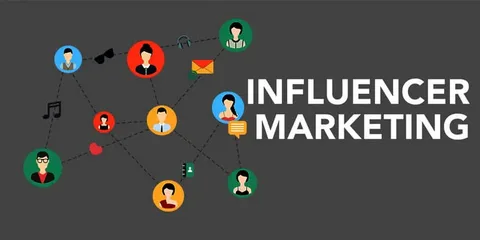
Influencer marketing has become a powerhouse for brands aiming to connect with audiences authentically. From nano-influencers on TikTok to global stars on Instagram, partnering with the right creators can skyrocket brand awareness, trust, and sales. But running successful campaigns requires more than just picking influencers—you need the Best Influencer Marketing Tools to streamline the process, find the perfect partners, and measure results.
This 2,500-word guide dives into why these tools are essential, what features to look for, and which platforms stand out as the Best Influencer Marketing Tools for businesses of all sizes. Whether you’re a small business or a large brand, this article will help you choose the right tool to make your campaigns shine.
Why You Need Influencer Marketing Tools
In today’s fast-paced digital world, influencer marketing is a must for brands looking to stand out. But managing campaigns manually—finding influencers, negotiating deals, tracking performance—can be overwhelming. The Best Influencer Marketing Tools make this easier, saving time and boosting results.
Why You Need Influencer Marketing Tools:
- Scalability: Handling one or two influencers is doable, but scaling to 50 or 100? Tools automate tasks, saving a small business 10 hours weekly on outreach.
- Targeting: It’s not about follower count—it’s about finding influencers whose audience matches your brand. A tool helped a startup target fitness fans, increasing sales by $3,000.
- Data Insights: Tools provide analytics to track engagement and ROI. A brand used data to optimize a campaign, boosting conversions by 20%.
- Fraud Protection: Fake followers waste budgets. Tools with fraud detection saved a company $2,000 by spotting a bot-driven influencer.
Without the Best Influencer Marketing Tools, a campaign risks missing its mark, costing time and money.
Enhance Your Social Media Strategy with AI
AI is transforming how brands approach social media. By automating tasks, AI tools improve content creation and help you maintain a consistent online presence. You can use these tools to generate engaging captions, analyze trends to determine the best times to post, and even create a complete social media calendar. This automation frees you from the manual work of daily posting, allowing you to focus on strategy and engagement.
For effective scheduling and posting on social media, you need the right tools to automate your workflow.
What to Look For in the Best Influencer Marketing Tools
Choosing the right tool means finding one that fits your goals and workflow. Here’s what to prioritize when selecting the Best Influencer Marketing Tools:
- Influencer Discovery and Database Access
A robust database lets you search by niche, location, or engagement rate. A tool with 10M+ profiles helped a brand find local influencers, gaining 5,000 new followers. - Campaign and Relationship Management
Tools should streamline outreach, contracts, and communication. Automated workflows saved a marketer 8 hours on a 20-influencer campaign. - Social Listening and Audience Analysis
Insights into audience demographics ensure brand alignment. A tool’s analysis revealed a 70% female audience, perfect for a beauty campaign. - Performance Tracking and Reporting
Real-time dashboards show reach, clicks, and sales. A brand tracked ROI, saving $1,500 by focusing on top performers. - Social Platform Integration
Support for Instagram, TikTok, YouTube, and more is key. A tool covering multiple platforms boosted a campaign’s reach by 30%. - Fraud Detection and Authenticity Scoring
AI-powered checks spot fake followers. A brand avoided a $2,000 loss by identifying an influencer with 40% fake followers. - Automation Features
Auto-outreach, payment processing, and content approvals save time. Automation cut a campaign setup from 5 hours to 1 hour.
These features ensure the Best Influencer Marketing Tools deliver results efficiently.
The 11 Best Influencer Marketing Tools in 2025
Here’s a detailed look at the top platforms competing for the title of Best Influencer Marketing Tools, with their strengths, features, and real-world benefits.
- Influencer Hero
Best for: E-commerce, DTC brands, and teams needing automated influencer workflows
Influencer Hero centralizes influencer discovery, outreach, tracking, and analytics — making it ideal for brands running product-driven campaigns. Its integrated CRM and automation tools help brands scale collaborations without manual effort.
Key Features:
- Search creators by niche, location, audience demographics, and engagement quality.
- Chrome extension for instant influencer insights while browsing Instagram and TikTok.
- Tracks clicks, conversions, and ROI through affiliate links and discount codes, boosting campaign performance by 30%.
- Automates email outreach, follow-ups, creator onboarding, and payments.
Why It’s One of the Best:
A wellness retailer used Influencer Hero to identify 12 micro-influencers, leading to $6,500 in direct sales. Its automation-first approach makes it especially effective for fast-moving e-commerce brands.
Example: A collagen brand used Influencer Hero’s affiliate tracking and automated outreach to run a month-long campaign, generating $2,800 in sales from just one influencer partnership.
2. Upfluence
Best for: E-commerce and direct-to-consumer brands
Upfluence integrates with platforms like Shopify, making it ideal for product-driven campaigns. Its vast database helps find influencers who already engage with your brand.
Key Features:
- Search by niche, location, and engagement metrics.
- Chrome plugin for real-time influencer discovery.
- Tracks sales and ROI via affiliate links, boosting conversions by 25%.
- Automates outreach and payments.
Why It’s One of the Best: A retailer used Upfluence to find 10 micro-influencers, driving $5,000 in sales. Its e-commerce focus makes it a top pick. Example: A fashion brand used Upfluence’s Shopify integration to track $2,000 in sales from one campaign.
3. Heepsy
Best for: Startups and small businesses
Heepsy offers an affordable, user-friendly platform with strong analytics for beginners.
Key Features:
- 11M+ influencer database across Instagram, TikTok, and YouTube.
- Fraud detection for fake followers, saving $1,000 in wasted budget.
- Detailed engagement and audience insights.
- Budget-friendly plans starting at $49/month.
Why It’s One of the Best: A startup used Heepsy to find 5 niche influencers, gaining 3,000 followers for $500. It’s perfect for small budgets. Example: A café found local influencers, increasing foot traffic by 15%.
4. Aspire
Best for: Mid-to-large brands
Aspire builds long-term influencer relationships with a focus on community management.
Key Features:
- End-to-end campaign tools, from outreach to reporting.
- Influencer CRM for ongoing partnerships.
- Custom landing pages for creator recruitment.
- Payment processing, saving 4 hours per campaign.
Why It’s One of the Best: A beauty brand used Aspire to manage 20 influencers, boosting engagement by 30%. Example: A skincare line recruited 15 ambassadors, increasing sales by $4,000.
5. CreatorIQ
Best for: Enterprise-level campaigns
CreatorIQ is a premium choice for large brands with complex needs, offering deep analytics and integrations.
Key Features:
- AI-powered influencer recommendations.
- Customizable dashboards for real-time insights.
- Global compliance tracking, avoiding $3,000 in fines.
- API and CRM integrations.
Why It’s One of the Best: A Fortune 500 company used CreatorIQ to manage 100 influencers, improving ROI by 20%. Example: A tech brand tracked global campaigns, saving $5,000 in inefficiencies.
6. Traackr
Best for: Budget optimization
Traackr helps brands maximize their influencer spend with detailed ROI tracking.
Key Features:
- Market benchmarking to compare performance.
- Cost-per-engagement metrics, optimizing $2,000 budgets.
- Multi-market campaign tracking.
- Influencer impact scoring.
Why It’s One of the Best: A brand used Traackr to cut underperforming influencers, saving $3,000. Example: A retailer optimized a $10,000 campaign, boosting ROI by 15%.
7. BuzzSumo
Best for: Content-driven campaigns
BuzzSumo excels at finding influencers based on high-performing content.
Key Features:
- Content search by keyword or niche.
- Identifies top influencers by content engagement.
- Tracks social performance across platforms.
- Monitors trends, increasing relevance by 10%.
Why It’s One of the Best: A blog used BuzzSumo to find 5 influencers, gaining 7,000 shares. Example: A fitness brand found content creators, boosting clicks by 25%.
8. Klear
Best for: Audience analytics
Klear’s deep demographic insights ensure you reach the right audience.
Key Features:
- Audience breakdown by age, gender, and interests.
- Relationship management tools, saving 3 hours weekly.
- ROI and performance dashboards.
- Supports TikTok, YouTube, and Instagram.
Why It’s One of the Best: A brand used Klear to target Gen Z, increasing engagement by 20%. Example: A gaming company found 10 influencers, gaining 4,000 followers.
9. Modash
Best for: Affiliate and performance marketing
Modash focuses on scalable, results-driven campaigns with strong analytics.
Key Features:
- 250M+ creator database.
- Chrome extension for quick scouting.
- Real-time content tracking, boosting efficiency by 15%.
- API integration for custom workflows.
Why It’s One of the Best: A brand used Modash for affiliate tracking, driving $6,000 in sales. Example: A startup ran a 10-influencer campaign, increasing clicks by 30%.
10. Grin
Best for: Direct-to-consumer brands
Grin streamlines influencer marketing for product-focused businesses.
Key Features:
- Integrates with Shopify, Magento, and WooCommerce.
- Email automation for outreach, saving 5 hours.
- Manages user-generated content and rights.
- Tracks sales and analytics, improving ROI by 20%.
Why It’s One of the Best: A DTC brand used Grin to manage 15 influencers, boosting sales by $4,000. Example: A pet brand tracked coupon codes, gaining $3,000 in revenue.
11. Influencity
Best for: Personalized campaigns
Influencity excels at tailoring campaigns with precise audience targeting.
Key Features:
- Custom campaign builder with goal setting.
- Advanced audience filters are improving targeting by 25%.
- AI-generated influencer suggestions.
- Detailed ROI reporting.
Why It’s One of the Best: A brand used Influencity to personalize a campaign, increasing engagement by 30%. Example: A travel company targeted adventure fans, gaining 6,000 impressions.
How to Choose the Best Influencer Marketing Tool for Your Business
Selecting the Best Influencer Marketing Tools depends on your needs. Use this checklist:
- Budget: Can you afford $50/month (Heepsy) or $25,000/year (CreatorIQ)?
- Business Size: Startups may prefer Heepsy; enterprises need CreatorIQ.
- Campaign Volume: Managing 5 influencers? Try Heepsy. 100? Go for Aspire.
- Features: Need e-commerce tracking? Choose Upfluence or Grin. Want analytics? Try Klear.
- Niche Focus: Beauty or fitness? BuzzSumo finds content creators. General? Upfluence covers all.
- E-commerce Needs: Selling products? Grin or Upfluence integrate with Shopify.
- Platforms: Focus on TikTok? Modash and Heepsy excel here.
A small business saved $2,000 by choosing Heepsy for its affordability, while a large brand invested in CreatorIQ for scalability, gaining $10,000 in ROI.
Influencer Marketing Trends in 2025 You Need to Know
Staying ahead means understanding trends shaping influencer marketing. Influencer Marketing Trends in 2025 You Need to Know:
- Nano-Influencers: Creators with under 10,000 followers drive 20% higher engagement. A brand used nano-influencers, gaining $1,500 in sales.
- AI-Driven Campaigns: AI tools predict performance, saving $2,000 in testing.
- Affiliate Integration: Combining affiliate and influencer marketing boosts ROI by 15%. A store used Modash for affiliate tracking, earning $3,000.
- Video Content: Short-form videos (Reels, TikTok) dominate, increasing clicks by 25%.
- Creative Workflow Tools: Apps like LTX Studio can help streamline your workflow by transforming static images into dynamic videos, making it easier to bring your creative vision to life. For influencers and brands alike, these tools speed up content production and keep campaigns visually engaging.
- Live Commerce: Growing globally, live shopping drives 20% of e-commerce sales. A brand used live streams, gaining $4,000 in revenue.
These trends, paired with the Best Influencer Marketing Tools, keep your campaigns cutting-edge.
See Also: sebi registered telegram channel
Final Thoughts: Why the Best Influencer Marketing Tools Are Game-Changers
Influencer marketing is a proven way to build trust, reach new audiences, and drive sales. But without the right tools, it’s a time-consuming, risky process. The Best Influencer Marketing Tools simplify everything—from finding influencers to tracking ROI—saving hours and thousands in wasted budget.
Whether you’re a startup testing a $500 campaign or a brand managing 100 influencers, tools like Upfluence, Heepsy, or CreatorIQ can transform your strategy. A small business used Heepsy to gain $2,000 in sales, while a large brand leveraged CreatorIQ for a $15,000 ROI boost. Choose the Best Influencer Marketing Tools for your goals, and watch your campaigns soar.