Key Takeaways
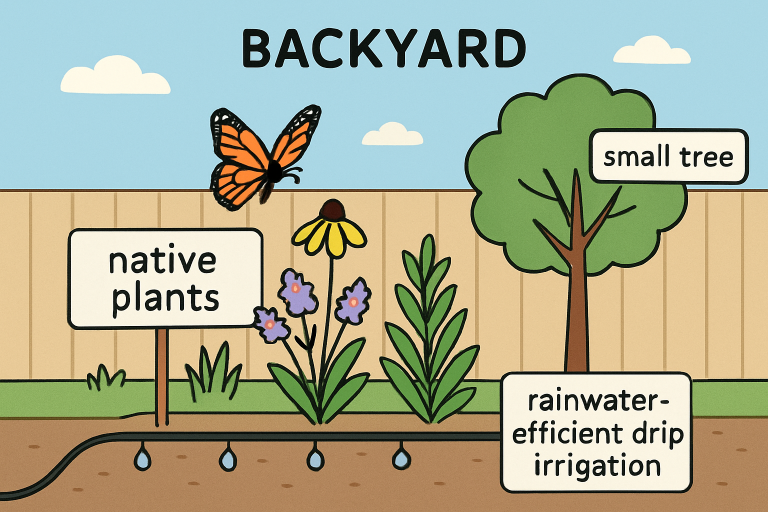
- Conserves water through efficient irrigation and drought-tolerant plants.
- Reduces maintenance costs with native, low-maintenance vegetation.
- Enhances biodiversity by supporting local wildlife and plant species.
- Improves soil health using organic methods and composting.
- Mitigates urban heat islands by increasing green spaces.
- Promotes mental and physical well-being through natural environments.
Sustainable landscaping has become a cornerstone of modern outdoor design, merging environmental concern with economic sense and visual beauty. Making the switch not only transforms individual yards, parks, and public spaces but also benefits the larger community and ecosystem. Through mindful plant selection, soil care, and resource management, it is possible to reduce water waste, lower costs, and help ecosystems thrive. For those seeking expert advice and implementation, working with a skilled landscape company Keller can pave the way for an eco-friendly outdoor oasis.
As communities face rising utility costs and drought risk, locally adapted landscapes are more crucial than ever. Sustainable choices help homeowners and municipalities build resilience against weather extremes, encourage biodiversity, and foster healthier living spaces. These landscapes are designed with a deep respect for local conditions, offering beauty that lasts all year with less maintenance and lower water use.
Strategically planting native flora, creating diverse habitats, and applying organic gardening principles are basic principles of sustainable landscaping. The shift away from chemical-dependent, water-hungry lawns to thoughtfully curated spaces is essential for environmental stewardship. More than a passing trend, this movement is redefining how neighborhoods and cities view outdoor living.
Innovative design also means efficient irrigation, smart mulching, and pollinator-friendly blossoms that keep nature buzzing and vibrant. By making informed landscaping choices today, communities can create legacies of ecological abundance and community pride for years to come.
Water Conservation
A central priority of sustainable landscaping is conserving water. Traditional landscapes, especially those featuring large lawns or non-native plants, are notorious for high water demands. By integrating drought-tolerant species and efficient irrigation systems, such as drip lines or weather-based controllers, significant water savings are possible. Xeriscaping, a landscaping philosophy that prioritizes water efficiency, can lower outdoor water use by as much as 60 percent compared to conventional grass lawns. Educational resources such as WaterSense by the EPA provide guidance on water-saving techniques suitable for all climates.
Reduced Maintenance Costs
Switching to native and regionally appropriate plants can dramatically reduce the time, effort, and money spent on landscape upkeep. These plants require minimal fertilizer and are naturally resistant to local pests and diseases, reducing the need for chemical treatments. The result is a landscape that can largely take care of itself, offering sustainability along with lower expenses. This approach not only lightens the maintenance load but also reduces chemical runoff into surrounding water sources, protecting broader environmental health. Native plantings can make gardens more self-sufficient and resilient to seasonal changes.
Enhanced Biodiversity
One of the most compelling reasons to embrace sustainable landscaping is the boost it gives to local biodiversity. Landscapes based on local flora attract and sustain a wide array of insects, birds, and other wildlife. Pollinators such as bees and butterflies particularly benefit from diverse plantings, and their presence supports everything from vegetable gardens to fruit tree orchards. Instead of sterile, monoculture lawns, sustainable spaces become vital micro-habitats filled with life, color, and seasonal interest.
Improved Soil Health
Soil is the foundation of any healthy landscape. Sustainable gardeners prioritize composting, mulching, and organic fertilizers to nurture living soil. These practices promote the microbial activity that plants need for healthy growth and enhance the soil’s water- and nutrient-holding capacities. Over time, this approach reduces the need for artificial inputs such as chemical fertilizers and synthetic pesticides. By enriching the earth rather than depleting it, sustainable landscapes also capture carbon, supporting broader climate health initiatives.
Urban Heat Island Mitigation
Concrete and asphalt dominate many cityscapes, trapping heat and raising temperatures through the urban heat island effect. Sustainable landscaping can offset this phenomenon by introducing cool, green spaces that provide shade and release moisture into the air through a process called evapotranspiration. Even a small pocket of thoughtfully planted greenery can noticeably cool a space, improving comfort for city dwellers and reducing the demand on energy-hungry air conditioning. Cities investing in urban forests are seeing tangible benefits in reduced heat and improved air quality.
Health and Well-being
Access to natural, well-planned landscaping is associated with improved physical and mental health. Studies have shown that exposure to green environments can lower stress, boost mood, and encourage physical activity. Thoughtfully designed public parks, schoolyards, and backyards invite children and adults alike outdoors, fostering stronger connections with nature and each other. These benefits reinforce the idea that landscapes are not merely decorative but play an essential role in community wellness.
Economic Advantages
Sustainable landscaping offers solid financial returns along with its ecological benefits. Homes and businesses with energy-efficient, attractive landscapes often see higher property values and lower utility bills. Features like strategic tree placement can cool buildings in summer and block winter winds, reducing HVAC costs year-round. Beyond individual households, entire neighborhoods with abundant green spaces attract buyers and enhance overall livability, a value increasingly valued in the real estate market.
Community Impact
The ripple effects of sustainable landscaping are seen most clearly at the community level. Green spaces beautify public areas, provide crucial habitats, and serve as spaces for recreation and education. As more communities invest in sustainable landscaping, they bolster local environmental quality, reduce communal costs for maintenance and utilities, and inspire civic pride. Such initiatives build more connected, environmentally aware neighborhoods, helping to shape a brighter, cleaner future for everyone.
In conclusion, sustainable landscaping is a powerful tool for individuals and communities to combat resource waste, encourage biodiversity, and nurture lasting health and prosperity. By embracing eco-friendly practices and engaging expert services, anyone can contribute to greener, more resilient outdoor spaces that benefit current and future generations.