Veterans have dedicated their lives to serving our country, often making tremendous personal sacrifices along the way. As they age or face health challenges tied to their service, these brave individuals deserve care solutions that honor their dignity while addressing their unique needs. In-home care has become an increasingly popular and effective option for veterans who want to maintain their independence while getting the support they need. This specialized form of care brings professional assistance directly to the veteran’s residence, creating a comfortable and familiar setting for receiving healthcare services and daily living support.
Understanding the Unique Needs of Veteran Populations
Veterans face healthcare challenges that really set them apart from the general aging population. Many carry service-connected disabilities, chronic conditions from combat exposure, or psychological conditions like post-traumatic stress disorder that require specialized understanding and care approaches. The military culture also shapes how veterans perceive and receive care; many prefer straightforward communication and structured routines that echo their service experience. Additionally, veterans may deal with mobility limitations from combat injuries, illnesses from environmental hazards during deployment, or age-related conditions made worse by the physical demands of military service.
Preserving Independence and Dignity at Home
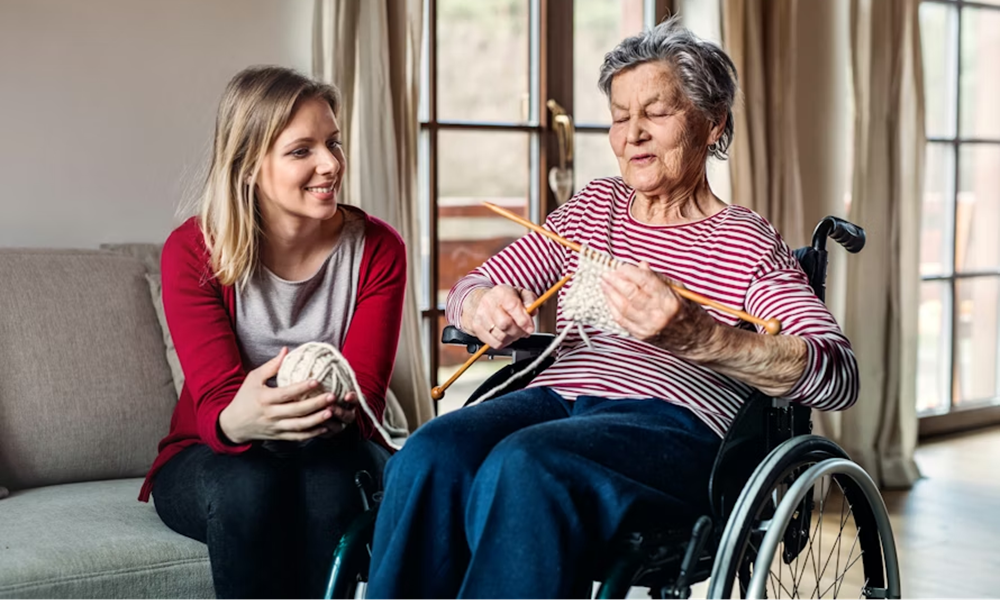
One of the most significant advantages of in-home care for veterans? The ability to maintain independence within their own living space. Veterans who’ve spent years serving in structured military environments often place tremendous value on the autonomy they’ve achieved in civilian life, making institutional care particularly difficult to accept. In-home care allows veterans to remain in familiar surroundings filled with personal belongings, cherished memories, and the comfort of established routines. This environment preserves their sense of control over daily decisions, everything from meal choices to sleep schedules, which contributes significantly to emotional well-being and life satisfaction.
Personalized Care Tailored to Service-Related Conditions
In-home care providers can develop highly individualized care plans that specifically address service-connected health issues and disabilities. Whether a veteran requires assistance managing chronic pain from old injuries, specialized wound care for service-related conditions, or support navigating the symptoms of PTSD, in-home caregivers can receive training specific to these needs. The one-on-one nature of in-home care allows providers to observe patterns, identify triggers, and discover effective interventions unique to each veteran’s situation, then adjust care approaches accordingly. Many in-home care agencies employ caregivers with military backgrounds or provide specialized training in veteran-specific conditions, which creates better understanding and rapport between caregiver and care recipient. When managing service-related conditions and daily living activities, veterans home care in Jacksonville provides personalized support that honors military experience while addressing individual health needs. This personalized attention ensures that care addresses not just physical needs but also emotional and psychological well-being, recognizing how service experiences continue to impact veterans throughout their lives. The consistent presence of familiar caregivers helps build trust and therapeutic relationships that enhance care effectiveness and the veteran’s comfort level with receiving assistance.
Cost-Effectiveness and Financial Accessibility
In-home care often presents a more economical alternative to assisted living facilities or nursing homes, particularly for veterans who don’t require intensive 24-hour medical supervision. Many veterans qualify for benefits through the Department of Veterans Affairs that can offset or fully cover in-home care costs, including the Aid and Attendance benefit available to wartime veterans who meet specific criteria. These financial assistance programs recognize the value of keeping veterans in their communities while providing necessary support services. The flexibility of in-home care also allows families to scale services according to actual needs and budget constraints, perhaps starting with just a few hours per week and adjusting as requirements change.
Supporting Family Caregivers and Reducing Burnout
Many veterans initially receive care from spouses, adult children, or other family members who willingly take on these responsibilities out of love and gratitude. However, family caregiving can become physically and emotionally exhausting, particularly when veterans require extensive assistance or have conditions that demand constant vigilance. Professional in-home care provides essential respite for family caregivers, allowing them to maintain their own health, employment, and personal relationships while ensuring their veteran loved one receives quality care. This support helps prevent caregiver burnout, a serious concern that can lead to health problems for the caregiver and potentially compromise care quality for the veteran.
Promoting Social Connection and Mental Health
Isolation represents a significant risk factor for declining physical and mental health among aging veterans, particularly those with mobility limitations or living alone. In-home caregivers provide regular social interaction and companionship that combats loneliness and promotes mental stimulation through conversation, shared activities, and engagement with the outside world. Many veterans develop meaningful relationships with their caregivers, who become trusted companions rather than simply service providers. These relationships can be particularly valuable for veterans who have difficulty connecting with civilians who haven’t shared military experiences, as many in-home care agencies specifically recruit caregivers who understand military culture.
Conclusion
In-home care represents a powerful solution for meeting the complex needs of veterans while honoring their service and sacrifice. By combining professional expertise with personalized attention delivered in the comfort of familiar surroundings, this care model addresses physical health requirements while supporting independence, dignity, and emotional well-being. The financial accessibility through veteran-specific benefits, coupled with the flexibility to adjust services as needs evolve, makes in-home care a practical choice for many veteran families. As our veteran population ages, expanding access to quality in-home care services ensures these American heroes receive the respect, comfort, and comprehensive support they’ve earned through their dedication to our country.