Breathing problems, sneezing, coughing, and chest discomfort are often blamed on “allergy” without much thought. In reality, asthma and allergies are two different conditions, even though they share some symptoms. Confusing one for the other can delay proper care.
Understanding the difference between asthma and allergy helps people seek the right treatment and avoid unnecessary complications.
What is an allergy?
An allergy occurs when the immune system overreacts to substances that are usually harmless. These substances are called allergens and may include pollen, dust mites, animal dander, certain foods, or medications.
Common allergy symptoms include:
- Sneezing
- Runny or blocked nose
- Itchy eyes or skin
- Skin rashes
- Watery eyes
According to the National Institutes of Health (NIH), allergies mainly affect the nose, skin, eyes, and sinuses, although some people may experience mild breathing discomfort.
What is asthma?
Asthma is a chronic lung condition that affects the airways. It causes inflammation and narrowing of the airways, making breathing difficult.
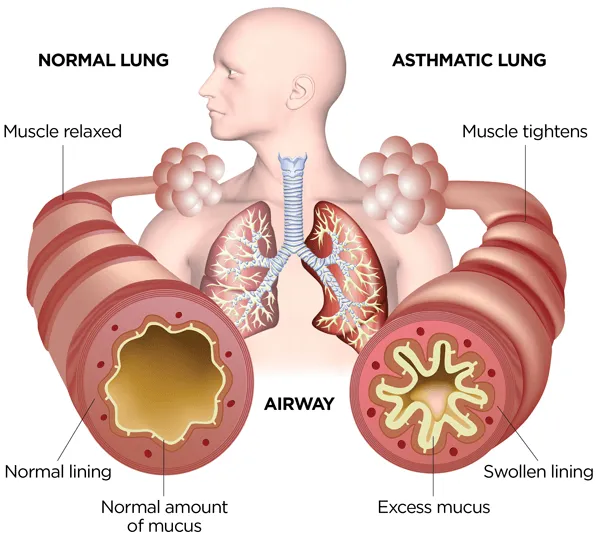
Asthma symptoms often include:
- Shortness of breath
- Wheezing
- Chest tightness
- Persistent cough, especially at night or early morning
NIH-supported research explains that asthma involves the lungs directly and may worsen if left untreated, leading to repeated attacks and reduced lung function.
Key differences between asthma and allergy
Although related, asthma and allergy are not the same. Here are some clear differences:
Affected area
Allergies mainly affect the upper respiratory tract, eyes, or skin. Asthma affects the lower airways and lungs.
Breathing difficulty
Breathing difficulty is mild or absent in most cases of allergy. In asthma, breathing difficulty is a core symptom.
Symptom timing
Allergy symptoms often appear immediately after exposure to allergens. Asthma symptoms may appear later and worsen at night or with exercise.
Long-term impact
Most allergies are uncomfortable but not dangerous. Asthma can become serious if not properly managed.
Can allergies trigger asthma?
Yes. Medical studies published on PubMed confirm that allergies are one of the most common triggers for asthma symptoms. This condition is often referred to as allergic asthma.
In such cases, exposure to allergens may cause:
- Airway inflammation
- Wheezing
- Tightness in the chest
- Difficulty breathing
However, not everyone with allergies has asthma, and not all asthma is caused by allergies.
How asthma is diagnosed
Asthma diagnosis involves more than symptom observation. Doctors rely on:
- Detailed medical history
- Lung function tests
- Response to bronchodilator medication
- Trigger identification
According to PubMed-reviewed guidelines, objective lung testing is essential to confirm asthma and rule out other causes of breathing difficulty.
How allergies are diagnosed
Allergy diagnosis typically includes:
- Skin prick tests
- Blood tests for allergen-specific antibodies
- Symptom tracking related to exposure
Proper diagnosis helps avoid unnecessary medications and improves symptom control. (NIH)
Why correct diagnosis matters
If you take allergy medicine (assuming you have asthma), it can cause airway inflammation. Whereas if you treat an allergy as asthma and continue taking medicine, it will lead to unnecessary medication.
Correct diagnosis ensures:
- Better symptom control
- Reduced flare-ups
- Improved quality of life
- Lower risk of complications
This is especially important in people who experience frequent cough, breathlessness, or nighttime symptoms.
Treatment approaches differ
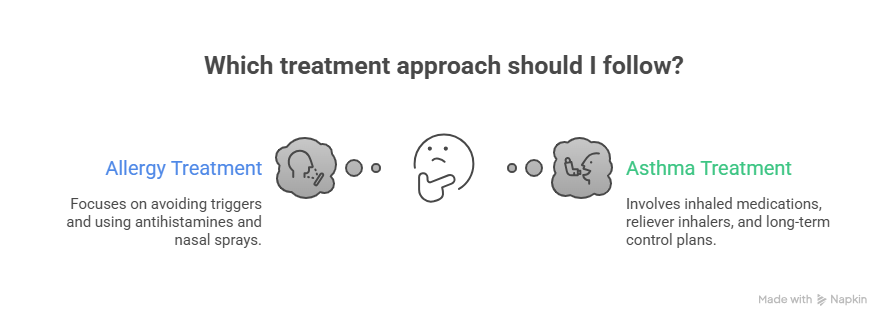
Evidence-based guidelines published via NIH show that asthma requires ongoing monitoring rather than occasional treatment.
For patients seeking structured Asthma treatment in Nagpur, care typically involves regular assessment, trigger management, and long-term follow-up under specialist guidance.
When should you see a specialist?
Medical evaluation is important if:
- Breathing problems occur frequently
- Symptoms feel worse at night
- Cough lasts more than a few weeks
- There is no relief from medicines
As a pulmonologist in Nagpur, Dr. Sameer can help determine whether symptoms are due to asthma, allergies, or a combination of both, and guide appropriate treatment.
Way Forward
Asthma and allergies appear similar but require different treatment approaches. Consulting a pulmonologist is necessary to properly diagnose it. Timely diagnosis helps get treatment on the proper lines.
If breathing symptoms are frequent, persistent, or disruptive, medical evaluation should not be delayed.
Author Bio
Dr. Sameer Lote is a pulmonologist in Nagpur with clinical experience in the management of asthma, lung infections, and chronic respiratory conditions. He is associated with Panacea Clinic and focuses on evidence-based, long-term respiratory care, including Asthma treatment in Nagpur.
References
- National Institutes of Health (NIH): Asthma Overview
https://www.nhlbi.nih.gov/health/asthma