Some of the most fundamental processes in the human body occur in the oral cavity and pharynx; eating, speech, and swallowing. These complicated systems combine to interact harmoniously to enable intake and primary processing of food, and the generation of articulate speech. The anatomical knowledge about this part enables important understanding of the health of the teeth, nutrition, and development of communication.
Overview of the Oral Cavity
The digestive system enters through the oral cavity also known as the mouth, the first location where mechanical and chemical digestions take place. It is enclosed by the lips in the anterior part, cheeks in the lateral part, palate in the upper part and the floor of the mouth in the lower part. Mucous linings cover the mouth cavity and protect the tissues and also help to move food in the mouth easily when one chews and swallows.
The mouth has structural elements that are important parts of the oral cavity, such as the teeth, tongue and the palate, which are involved in the two functions, such as mastication (chewing) and speech.
The Tongue: Mouth Magic of the Muscle
The tongue is a very movable muscular structure that is vital in the act of swallowing and articulating. It comprises two major parts the anterior two-thirds which are found in the oral cavity and the posterior one-third which is found in the oropharynx.
Structure and Muscles
The tongue has intrinsic and extrinsic muscles:
- Intrinsic muscles: These are muscles that make the tongue change its shape and be able to curve, to fold, and to flatten, which are crucial to speech sounds and the handling of food.
- Extrinsic muscles: These are muscles that attach the tongue to other body parts and support movement like protrusion, retraction and lateral movement, which are important when chewing and swallowing.
Swallowing and Speech Role
The food is pushed against the hard palate by the tongue during swallowing which creates a bolus that is pushed into the pharynx. In the case of speech, the tongue varies the flow of air and touches the teeth, lips and palate in order to formulate separate phonemes.
The tongue is well endowed with sensory receptors, which include taste buds, which are responsible for the perception of flavor and the stimulation of digestive functions, including salivation.
Weapons: utensils of Mechanical Digestion.
Teeth are an important part of the body and they are needed to help in the breakdown of food into smaller, better-digestible portions. There are two types of teeth in human beings namely the primary teeth and the permanent teeth.
Types of Teeth
- Incisors: Teeth used to cut food, they are sharp and chisel shaped.
- Canines: sharp teeth which are used to rip.
- Premolars and molars: Large surfaces of grinding and crushing food.
Tooth Structure
The structure of each tooth has three layers:
- Enamel: This is the outer protective layer of the tooth which is hard.
- Dentin: This is the thick supporting tissue of the enamel.
- Pulp: The deepest layer which holds the nerves and blood vessels.
The teeth are essential in nutrition as well as speech. Absence or poor alignment of teeth may affect the pronunciation resulting in articulation disorders.
The Palate: Separation of Oral and Nasal Cavities
The palate is the roof of the mouth and it separates the mouth and the nasal cavity that is above it. It consists of two main parts:
- Hard palate: The anterior component which is bony giving a firm surface to which the tongue presses the food during chewing.
- Soft palate: This is the muscular part that rises in swallowing, thus sealing the nasopharynx so that food does not pass on to the nasal cavity.
The soft palate is also very important in speech as it assists in the production of some consonant sounds and maintenance of airflow over the nasal passages.
Salivary Glands: Aids of Digestion
Saliva is secreted by major and minor salivary glands and is involved in a number of highly important activities:
- Making food moist in order to create a cohesive bolus.
- Chemical digestion by the use of enzymes, such as amylase.
- Washing the mouth and preventing the degradation of teeth.
- Helping to articulate clear speech.
There are the parotid, submandibular and sublingual major salivary glands each of which makes a different contribution to the quantity and composition of the saliva.
The Pharynx: Entry to the Digestive and Respiratory Tracts
The pharynx is a tube, which is muscular and runs down the skull to the esophagus. It is a common opening both of air and food, divided into three parts:
- Nasopharynx: This is situated at the back of the nasal cavity where it is mainly used in breathing.
- Oropharynx: It is behind the mouth cavity; an important area of swallowing.
- Larynxpharynx: Continues to the esophagus, where food is sent to the digestive tract with air flowing on to the larynx.
The bolus is pushed downwards during swallowing by the coordinated action of the pharyngeal muscles. A flap of cartilage (epiglottis) seals the laryngeal aperture, so that food cannot get into the airway.
Mechanism of Swallowing: A Coordinated Method
Swallowing, also known as deglutiation, is a complicated activity that involves several organs. It is customarily separated into three phases:
- Oral phase: Voluntary phase involves pushing the tongue to create bolus and force it to the pharynx.
- Pharyngeal phase: Uncontrolled stage which is characterized by pharyngeal muscle contractions and raising of the soft palate to guard against nasal regurgitation.
- Esophageal phase: It is an involuntary phase in which the bolus is propelled down through the esophagus to the stomach due to peristaltic waves.
A malfunction in these structures may lead to swallowing problems or dysphagia that may affect nutrition and quality of life.
Speech Production: Oral and Pharyngeal Contributions
Another type of function dependent on the pharynx and oral cavity is the speech. The accurate coordination of tongue, teeth, lips, and soft palate is necessary in articulation and pharynx and nasal cavities in resonance.
- Tongue gestures: Form vowel and consonant.
- Teeth and alveolar ridge: Are the points of contact of certain consonants such as the t and d.
- Soft palate: This is used to produce a varying volume of airflow between oral and nasal sounds.
- Pharyngeal cavity: It is a cavity that serves as a resonator, to enrich the voice.
Clear speech requires proper anatomical development and problems with these structures may cause articulation problems or resonance problems.
Oral Health and Dental: Significance of Function
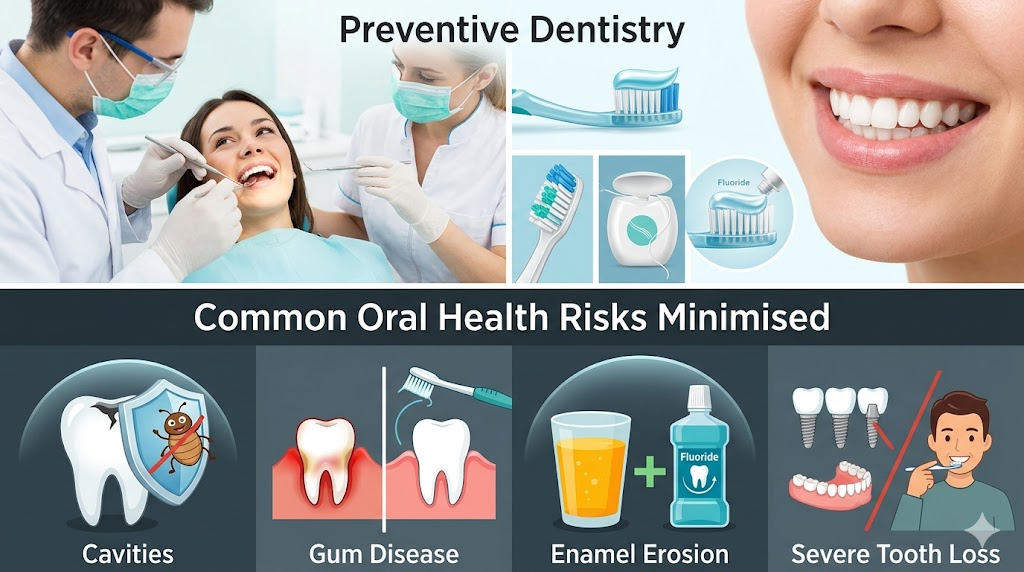
It is important to maintain good teeth and pharynx. Chewing and speech may be poor due to poor dental health or untreated diseases such as cavities, gum disease or malocclusion. Daily dental care, healthy nutrition and oral anatomy knowledge will contribute to functionality and beauty.
Nutrition and Communication Interplay
The larynx and mouth cavity are examples of how well the systems are integrated in the human body. The ability to properly prepare nutrient-rich food to be digested through efficient mastication, and to articulate speech through the specific movements of tongue and palate are both possible. The impairment of any of these structures may influence nutrition and communication; thus, it is important to diagnose and treat oral or pharyngeal diseases in the earliest possible manner.
Oral Cavity and Pharynx The most common conditions afflicting the mouth cavity and the pharynx include the following:
Normal functioning may be disturbed due to a number of conditions:
- Periodontal disease, dental caries: Has an impact on chewing and may cause speech problems.
- Tonsillitis or pharyngitis: Swell up of pharyngeal structures, which affects swallowing and resonance.
- Malocclusion: Teeth misalignment which affects speech articulation.
- Ankyloglossia (tongue-tie): This restricts the movement of the tongue, both in infancy and articulation among the older children.
Early management and medication are also imperative to ensure that normal functioning is restored and the complications are avoided in the long-term.
Conclusion
The system of oral cavity and pharynx sets a striking example of the collaboration of muscles, bones, and soft tissues and the accomplishment of the essential functions: eating, swallowing, and speaking. Tongue, teeth, palate and pharyngeal structures are part of anatomical structures, which guarantee good nutrition and effective communication. This knowledge of their anatomy coupled with consideration of oral health contributes to general wellbeing, correct development and the acquisition of speech.
The continued maintenance of these structures with proper dental care, treatment of functional disorders in time and knowing the place they play in nutrition as well as communication highlights the deep association that exists between the anatomy and normal human life.