If you’ve ever searched “home workout plan for beginners” or “how to lose weight at home without equipment” and immediately felt overwhelmed—good. That reaction doesn’t mean you’re lazy. It usually means the plan you found wasn’t realistic.
A realistic routine is one you can repeat on busy weeks, low-energy weeks, and “life happened” weeks. And here’s the encouraging part: major health organizations agree you don’t need perfection to get real health benefits. Meeting weekly movement targets (and doing some muscle-strengthening) is linked to meaningful improvements in overall health, and “some activity is better than none.”
This post is written for learners and everyday readers—especially if you’re here for weight loss, health, or a simple at-home workout routine you can follow without fancy gear. It covers common search intent (LSI/semantic terms) like: at-home workout routine, fitness routine for weight loss, beginner home exercises, bodyweight strength training, low-impact cardio at home, walking for weight loss, resistance band workout, progressive overload, consistency tips.
Health note: This is general education, not personal medical advice. If you’re pregnant/postpartum, managing a chronic condition, recovering from injury, or unsure what’s safe, consider checking in with a clinician before making major training changes.
Can you really get fit and lose weight with a home workout routine?
Yes—if “fit” means better cardiovascular health, strength, energy, mood, and body composition over time (not a dramatic transformation in ten days). The strongest evidence-based approach is also the simplest: combine regular aerobic activity (like brisk walking or intervals) with muscle-strengthening work (like squats, push-ups, rows, and hinges), then progress gradually.
From a health perspective, home training is not “second-best.” It removes major barriers: commute time, gym anxiety, and the all-or-nothing thinking that makes people quit. Public-health guidance emphasizes that activity can be accumulated and that moving more (and sitting less) matters—especially if your baseline is sedentary.
For weight loss specifically, it helps to be honest about the mechanics: weight loss requires a calorie deficit, and physical activity is one tool that increases energy expenditure and supports weight maintenance after loss. Most weight loss typically comes from dietary intake changes, but long-term maintenance is strongly supported by ongoing physical activity.
The punchline: a realistic home routine works when it’s built around consistency, not punishment—two to four strength sessions per week, plus walking or cardio you’ll actually do, plus daily movement.
What should a healthy weekly routine include for real results?
Most people don’t need a complicated split. You need a balanced week that hits three pillars: aerobic activity, strength, and “move more / sit less” daily movement. That structure lines up with global and national guidelines from the World Health Organization and Centers for Disease Control and Prevention.
A simple weekly target you can measure
A good starting target for adults is:
- Aerobic activity: about 150 minutes per week of moderate intensity, or 75 minutes vigorous, or a mix (with additional benefits as you move toward higher totals).
- Muscle-strengthening: at least two days per week, using major muscle groups.
- Less sitting, more moving: build in walking and movement “snacks” to break up long sedentary blocks.
That’s the backbone. Then you personalize.
How hard is “moderate”? A practical method is the “talk test”: at moderate intensity, you can talk but not sing; at vigorous intensity, you can’t say more than a few words without pausing for breath.
Why strength training is non‑negotiable (especially for weight loss)
If your goal includes fat loss, strength work helps in two big ways:
First, resistance training can reduce body fat percentage, fat mass, and even visceral fat in adults (meaning fat stored around organs, which matters for metabolic health).
Second, during weight loss, preserving lean mass is a health and function issue—not just aesthetics. Evidence syntheses show resistance training helps maintain lean mass during diet-induced weight loss and is often highlighted as a strategy to reduce lean mass loss.
The underestimated “fourth pillar”: steps and daily walking
You don’t need to worship a magic number like 10,000. But step count is a useful, low-friction metric for “move more.”
Large evidence reviews associate higher daily steps with lower all-cause mortality risk, with benefits appearing even at relatively low step counts (and then gradually leveling at higher amounts rather than rising endlessly).
If you’re currently doing very little, increasing steps may be the most realistic lever you can pull—because it’s repeatable, low-impact, and doesn’t require motivation spikes.
A quick reference table for your weekly targets
| Routine element | Realistic minimum target | “Great week” target | Why it matters for health + weight loss |
| Moderate aerobic work (walking, cycling, dance, steady cardio) | About 150 minutes weekly | Up to about 300 minutes weekly | Dose-response reviews show meaningful improvements in body fat and waist measures when aerobic volume increases, especially in people with overweight/obesity. |
| Strength training (major muscle groups) | Two sessions weekly | Three to four sessions weekly | Resistance training improves body composition and supports lean mass during weight loss when combined with diet changes. |
| Steps / daily movement | Increase from baseline | Build toward a sustainable higher baseline | Higher steps are associated with lower mortality risk; consistency matters more than a perfect number. |
| Sitting less | Break up long sitting blocks | Frequent movement breaks | Health guidance emphasizes reducing sedentary time and moving more across the day. |
How to build an at-home workout around movement patterns
When routines fail, it’s often because they’re either too random (“I’ll do whatever video looks fun”) or too rigid (“I must follow this exact plan or I’ve failed”). The sweet spot is a repeatable template that trains full-body movement patterns.
Think in patterns, not in fancy exercises:
- Squat pattern: sit-to-stand, squats, split squats
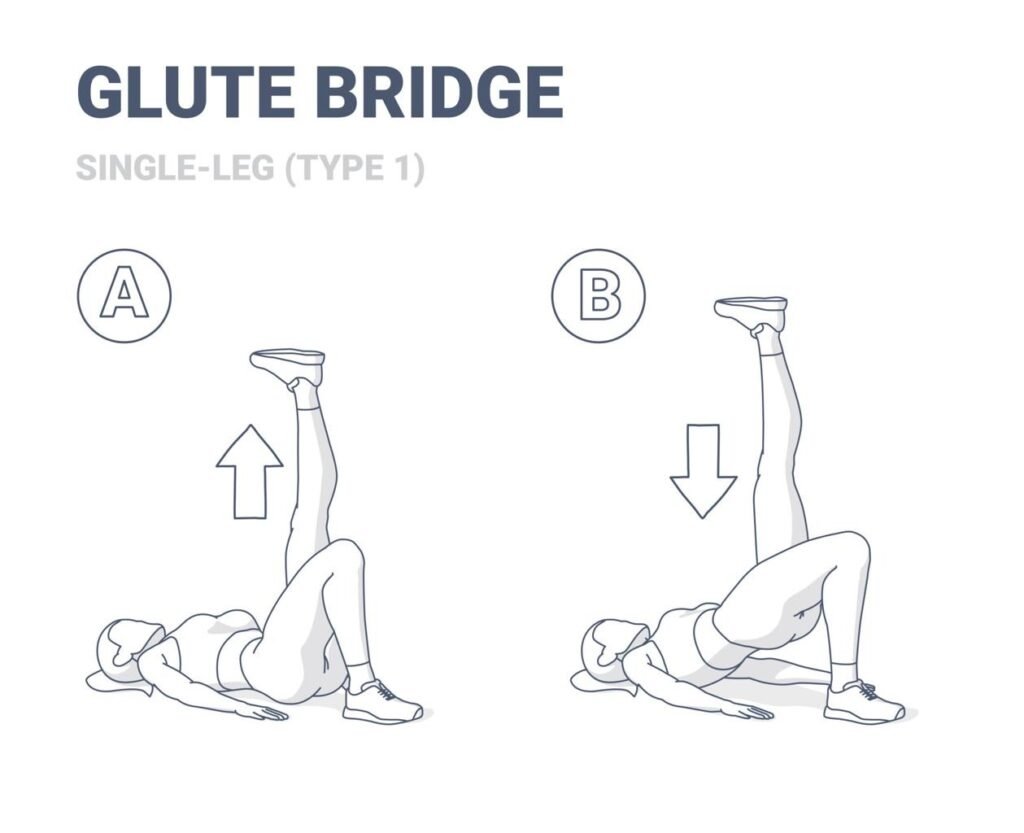
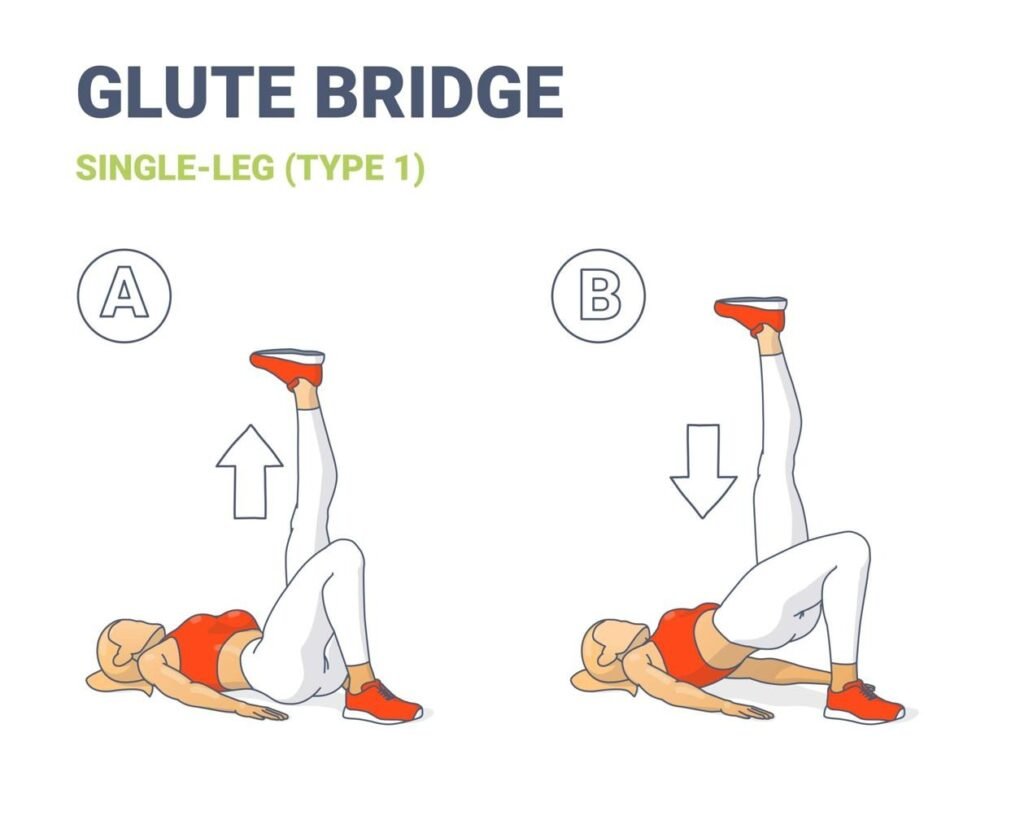
- Hinge pattern: hip hinge, deadlift pattern, glute bridge
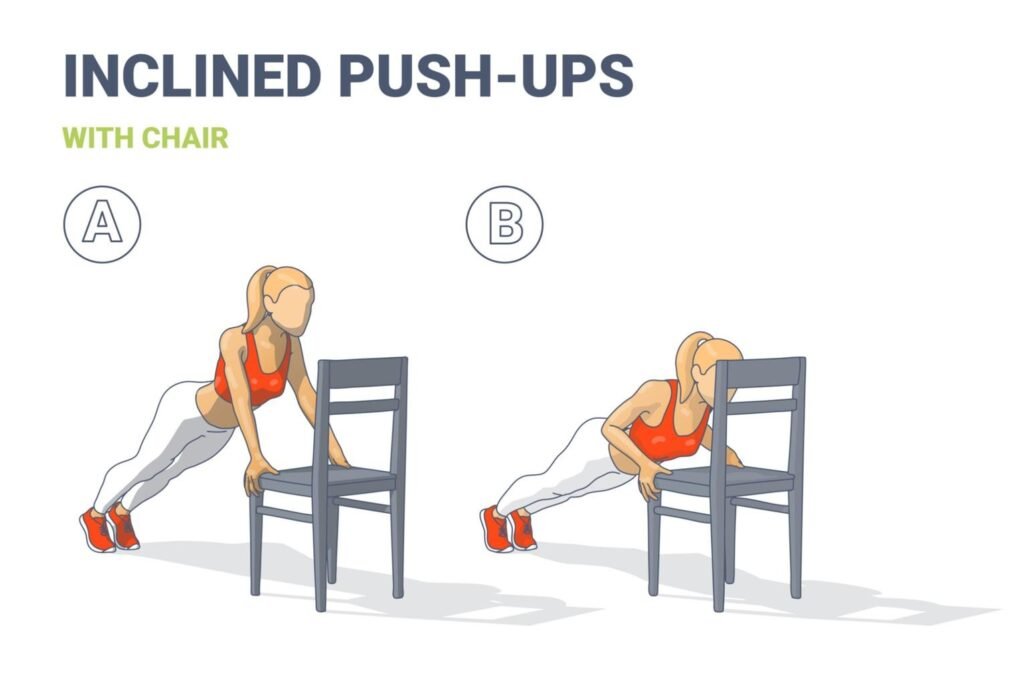
- Push pattern: push-ups, incline push-ups, overhead press
- Pull pattern: rows (band/towel/backpack), pull-aparts
- Core/bracing: planks, dead bugs, carries
- Locomotion/conditioning: walking, step-ups, intervals, cycling
This approach keeps your routine simple while still comprehensive—and it’s easy to scale from no equipment to light equipment.
The easiest home equipment stack (optional, not required)
You can get results with body weight alone. But if you want maximum progress for minimal spend, these are the most versatile tools:
- A long loop resistance band + mini band (for rows, presses, glute work)
- A backpack you can load (books/water bottles) for squats/hinges/rows
- A stable chair/bench (for incline push-ups, step-ups, split squats)
- A compact trampoline (or rebounder) for high-energy, low-impact cardio sessions that are easy on the joints.
How to progress at home without “heavier weights”
Progressive overload is just a fancy way of saying: “make it slightly harder over time.” Evidence-based resistance training guidance commonly uses variables like load, reps, sets, rest, and tempo to drive progression.
At home, you can progress by:
- Adding reps (e.g., 8 → 10 → 12)
- Adding a set (2 sets → 3 sets)
- Slowing your tempo (controlled lowering)
- Shortening rest slightly (only if form stays solid)
- Increasing difficulty (wall push-up → incline → knee → full)
- Adding external load (backpack, bands)
The most important “health rule” here: don’t progress by sacrificing form. Your joints have to live with your decisions.
The realistic weekly plan you can start today
This is a repeatable, beginner-friendly plan that still works for intermediates (you’ll just choose harder variations). It’s built to satisfy the core recommendations: aerobic work + strength training + more movement.
Your week in one glance
| Day | Focus | What you do at home | Intensity target |
| Monday | Full-body strength | Squat + push + hinge + core | Moderate effort; stop with a little left in the tank |
| Tuesday | Walking / cardio | Brisk walk, cycling, dance, or step-ups | “Talk but not sing” pace |
| Wednesday | Full-body strength | Lunge/split squat + row + glutes + core | Moderate effort; consistent form |
| Thursday | Recovery movement | Easy walk + mobility | Easy conversational pace |
| Friday | Conditioning + strength “finisher” | Short intervals + light full-body circuit | Short bouts can be effective; keep it safe |
| Saturday | Longer walk / lifestyle activity | Longer walk, hike, errands on foot | Comfortable steady pace |
| Sunday | Rest or gentle mobility | Light stretching + prep | Rest supports consistency |
This schedule is flexible. If your life only allows three days, keep two strength days and one longer walk/cardio day, then add short walks on other days when possible.
The workouts (simple, repeatable templates)
Warm-up (five to ten minutes)
A warm-up and cool-down are widely recommended to ease your body into exercise and back out again. A simple approach is light movement, then dynamic ranges of motion, and a gradual increase in pace.
Workout template for Monday (full-body strength)
Aim for two to three rounds. Rest as needed so technique stays clean.
- Squat: chair squat or bodyweight squat
- Push: incline push-up (hands on counter/chair) or floor push-up
- Hinge: glute bridges or hip hinge with backpack
- Core: plank variation or dead bug
Evidence-based resistance training guidance often starts novices around one to three sets of moderate rep ranges and progresses from there.
Workout template for Wednesday (full-body strength)
Again, two to three rounds.
- Lunge pattern: split squat (hold chair for balance if needed)
- Pull: band row or towel row (safe anchor)
- Glutes: glute bridge variation or banded lateral steps
- Core: side plank or bird-dog
Home-based resistance training—even when simple—has been studied in people with overweight/obesity during dietary weight loss because it can support body composition and muscle function.
Workout template for Friday (short conditioning + circuit)
If you hate “cardio,” this day is your friend.
- Five to ten minutes intervals: brisk walk intervals, stair intervals, or low-impact marching intervals
- Then one light circuit: squat → push → row → core (one to two rounds)
Evidence syntheses comparing interval training and moderate continuous training often find broadly similar fat-loss outcomes when overall energy expenditure is comparable—meaning you can choose the style you’ll actually stick with.
How to progress this plan over the next month
You don’t need a complicated “program.” Use one variable at a time:
- Week one: choose easy variations; aim to finish each set with energy left
- Week two: add a few reps across movements
- Week three: add a set to one or two movements
- Week four: make one move harder (lower the incline on push-ups, add backpack load, slow tempo)
This matches the general progressive approach described in resistance training position stands: when you can exceed the rep goal with good form, you increase the challenge incrementally.
Nutrition, recovery, and daily movement that make the routine work for weight loss
If your main goal is weight loss, exercise is powerful—but it works best as part of a “health system”: intake awareness, protein adequacy, sleep, stress management, and walking more.
The calorie deficit reality (without the obsession)
The Centers for Disease Control and Prevention explains weight loss in straightforward terms: using calories through physical activity combined with reducing calories eaten creates a calorie deficit that results in weight loss.
That doesn’t mean you must count every calorie. Many people do better with simpler “portion and pattern” approaches (more minimally processed foods, more vegetables and protein, fewer ultra-calorie-dense snacks). Public resources that emphasize realistic strategies typically pair diet quality with physical activity and behavior change.
Protein and strength training: protect your muscle while losing fat
During weight loss, adequate protein plus resistance-type exercise is often discussed in the literature as a strategy to preserve lean mass. Reviews focused on weight loss contexts highlight both resistance training and diet composition as factors influencing muscle retention and function.
You don’t need extreme protein goals to benefit—just consistent, protein-containing meals and regular strength sessions. (If you have kidney disease or other medical conditions, protein targets should be individualized by a clinician or dietitian.)
Sleep is a weight-loss multiplier (and a cravings reducer)
Sleep is not a luxury add-on. A 2024 synthesis of prospective cohort studies reports that short sleep duration is associated with higher risk of central obesity in adults.
Improving sleep won’t magically replace nutrition or exercise, but it can make adherence easier: you tend to train better, snack less impulsively, and recover more reliably. The long-term “health routine” is basically an energy management routine.
Mental health benefits support consistency (and that supports outcomes)
Exercise isn’t just about weight. A large 2024 systematic review found exercise is an effective treatment for depression, with walking/jogging, strength training, and yoga among the modalities showing benefit.
Even if your main goal is fat loss, improved mood and reduced stress load can be the factor that helps you keep going long enough for weight loss to happen.
Staying consistent with your at-home routine and avoiding common mistakes
A plan is only as powerful as your ability to repeat it. Consistency is not a personality trait—it’s mostly design.
Common mistakes (and quick fixes)
Many beginners fail because they:
- Start too hard, get sore, and quit
- Only do cardio, then plateau and feel “soft”
- Skip recovery, sleep poorly, and lose momentum
- Treat lunchtime walks as “not real exercise” and miss an easy win
Public health messaging repeatedly emphasizes gradual progression and that some activity is better than none—because those ideas protect consistency.
A more sustainable mindset is: “I train to build my baseline.” If you can do something on low-energy days—like a walk plus one set of squats and incline push-ups—you’re still reinforcing the habit loop.
A simple tracking method that doesn’t ruin your life
If you want results without spreadsheet fatigue, track only three things:
- Strength sessions completed (two or more weekly)
- Total weekly aerobic minutes (build toward guideline ranges)
- Average daily steps (trend upward over months)
That’s it. You can add body measurements or how clothes fit, but don’t let tracking become a second job.
When to scale back, and when to get help
Scale back and seek advice if you have:
- Pain that’s sharp, worsening, or changes your gait
- Dizziness, chest pain, or unusual shortness of breath
- A medical condition where exercise guidance should be personalized
General guidance on reducing injury risk includes warming up, cooling down, choosing safe activities, and increasing gradually, but medical red flags warrant professional input.
Conclusion
A realistic health fitness routine you can follow at home is not complicated. It’s a repeatable week that includes:
- Aerobic movement you can sustain (walking counts)
- Strength training at least twice weekly (full-body patterns)
- Daily movement and less sitting (steps trending upward)
- Sleep and recovery to keep the system working
If you take nothing else from this guide, take this: the best routine is the one you’ll still be doing three months from now.
CTA: Try the weekly plan for two weeks, then come back and share what felt easy, what felt hard, and what you changed to make it realistic. And if you want to contribute to this topic from your own life experience, remember: if you follow any fitness routine you can write for us about your routine.