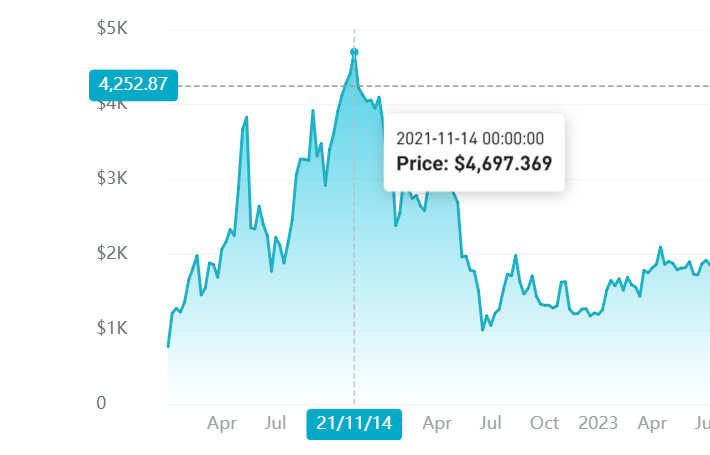
Gas fees are a fundamental component of the Ethereum blockchain. They represent the cost required to perform a transaction or execute a contract on the network. These fees are paid in gwei, which is a smaller denomination of Ethereum’s native cryptocurrency, ETH. The price of gas is not static; it changes based on network demand, creating a dynamic system that rewards those who help operate the blockchain.
The Role of Gas in the Ethereum Network
Gas fees serve two primary purposes. First, they compensate network validators for the computational resources they expend to process and validate transactions. This incentive is crucial for maintaining the network’s security and operational integrity. Initially, these rewards went to miners under a proof-of-work system.
Following the transition to a proof-of-stake model in September 2022, a portion of the gas fee now rewards users who stake their ETH. The more ETH a user stakes, the more they can potentially earn, further securing the network. The second purpose of gas fees is to prevent network spam by making it expensive for malicious actors to overload the system with transactions.
How Gas Fees Are Calculated
In August 2021, Ethereum updated its fee calculation method. The total transaction cost is now determined by a combination of factors, creating a more predictable fee structure. The formula is generally as follows:
Gas Fee = Gas Units Used * (Base Fee + Priority Fee)
Key Components of the Fee
- Gas Limit: This is the maximum amount of gas a user is willing to spend on a transaction. Simple ETH transfers require a standard limit, while more complex operations, like interacting with a smart contract, need a higher limit due to increased computational work.
- Base Fee: This is the minimum price per unit of gas for inclusion in a block, determined algorithmically by the network based on congestion. This portion of the fee is burned, or removed from circulation, which can reduce the overall ETH supply.
- Priority Fee (Tip): This is an optional, additional fee paid directly to validators. Users can add a tip to incentivize validators to prioritize their transaction, leading to faster confirmation times, especially during periods of high network traffic.
For example, a transaction requiring 21,000 units of gas with a base fee of 10 gwei and a priority fee of 2 gwei would cost 252,000 gwei (21,000 * (10 + 2)).
Why Do Gas Fees Fluctuate?
The primary driver of fluctuating gas fees is the principle of supply and demand. The Ethereum network has a limited amount of block space, meaning it can only process a finite number of transactions at any given time. When demand for this space exceeds supply, fees rise.
Network Congestion
Periods of high network activity cause gas fees to spike. This congestion is often driven by popular events, such as:
- Initial Coin Offerings (ICOs): When new tokens launch, they can attract a massive wave of transactions.
- The NFT Mania: Highly anticipated releases of non-fungible tokens (NFTs) have historically caused extreme network congestion and fee surges as users rushed to mint.
- DeFi Popularity: The growth of decentralized finance (DeFi) applications has led to a sustained increase in complex on-chain activities, contributing to higher baseline fees.
Transaction Complexity
The complexity of a transaction also impacts its cost. A simple peer-to-peer ETH transfer consumes a relatively small amount of computational power and thus has a lower gas cost. In contrast, executing functions within a smart contract, such as swapping tokens on a decentralized exchange, requires significantly more computational work, resulting in higher gas fees.
Strategies to Reduce Transaction Costs
While gas fees are unavoidable, users can employ several strategies to minimize their expenses. These methods help navigate the volatile nature of transaction costs on the network.
Time Your Transactions
Gas prices fluctuate throughout the day and week. Network activity is often highest during peak business hours in North America and Europe. By timing transactions for periods of lower demand, such as late at night or on weekends, users can often secure lower fees. Tools like gas trackers provide real-time and historical data to help identify these optimal windows.
Utilize Layer 2 Solutions
Layer 2 scaling solutions are one of the most effective ways to save on gas. These platforms operate on top of the main Ethereum network, processing transactions off-chain before bundling them together and submitting them to the mainnet. This approach dramatically reduces the computational load and, consequently, the cost per transaction.
Adjust Fee Settings
Most digital wallets automatically suggest gas fees for transactions. While users can manually lower the priority fee to save money, setting it too low can cause the transaction to be processed very slowly or even fail. It is generally recommended to follow the wallet’s suggestions for a balance between cost and speed, especially for time-sensitive operations. Understanding the current ethereum price usd can also help in evaluating the real-world cost of a transaction before confirming it.