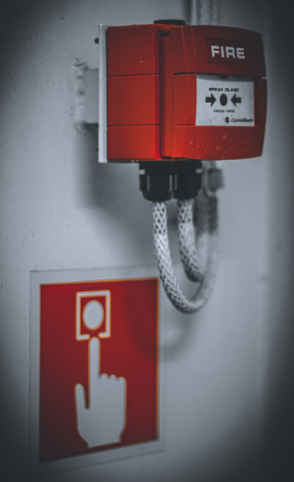
Fire alarms are one of the most critical safety components in homes, offices, commercial buildings, and industrial facilities. Designed to detect and alert occupants of potential fire hazards, these systems save countless lives each year. Whether you’re a homeowner, property manager, or business owner, understanding the basics of fire alarms can help ensure your property is safe and compliant with regulations.
This guide explores the essential components of fire alarm systems, how they work, the different types available, and key considerations for installation and maintenance.
What Is a Fire Alarm System?
A fire alarm system is a network of devices designed to detect smoke, heat, or flames and alert building occupants to evacuate immediately. Some systems may also trigger fire suppression systems, notify emergency services, or shut down HVAC units to prevent the spread of smoke.
There are two primary types of fire alarm systems:
- Conventional Fire Alarm Systems
- Addressable Fire Alarm Systems
Each type has its unique features, and the right choice depends on the size, layout, and complexity of the building.
Key Components of a Fire Alarm System
- Control Panel (FACP – Fire Alarm Control Panel)
- The control panel is the brain of the fire alarm system. It receives signals from detectors and manual pull stations, interprets those signals, and initiates the appropriate response.
- Modern panels may be programmable and integrated with other building systems.
- The control panel is the brain of the fire alarm system. It receives signals from detectors and manual pull stations, interprets those signals, and initiates the appropriate response.
- Initiating Devices
- These are sensors or input devices that detect signs of fire.
- Smoke Detectors: Identify smoke particles in the air.
- Heat Detectors: Respond to changes in temperature or a fixed threshold.
- Flame Detectors: Detect infrared or ultraviolet radiation emitted by flames.
- Manual Pull Stations: Allow occupants to manually trigger an alarm.
- Smoke Detectors: Identify smoke particles in the air.
- These are sensors or input devices that detect signs of fire.
- Notification Appliances
- Devices like horns, strobes, speakers, and bells that alert people to evacuate.
- In modern buildings, these often include both audible and visual alerts to ensure accessibility.
- Devices like horns, strobes, speakers, and bells that alert people to evacuate.
- Power Supply
- Includes primary (AC) power and a backup battery to ensure functionality during power outages.
- Code compliance usually requires at least 24 hours of standby power followed by 5 minutes of alarm operation.
- Includes primary (AC) power and a backup battery to ensure functionality during power outages.
- Wiring or Network
- Systems can be wired or wireless.
- Addressable systems often rely on loops that allow two-way communication with each device.
- Systems can be wired or wireless.
- Communication Interfaces
- Connect the system to remote monitoring services or local fire departments.
- May use phone lines, cellular networks, or the internet.
- Connect the system to remote monitoring services or local fire departments.
Types of Fire Alarm Systems
1. Conventional Fire Alarm System
- Divides the building into zones.
- When an alarm is triggered, the control panel identifies the zone but not the specific device.
- Cost-effective for smaller buildings.
2. Addressable Fire Alarm System
- Each device has a unique address, allowing the panel to identify the exact location of the alarm.
- Ideal for large or complex facilities where pinpointing the source quickly is crucial.
- More expensive but offers greater functionality and diagnostic capabilities.
3. Hybrid Systems
- Combine conventional and addressable technologies.
- Useful for buildings undergoing gradual system upgrades.
How Fire Alarms Work
When a detector senses smoke or heat:
- It sends a signal to the control panel.
- The control panel assesses the input.
- If it meets alarm conditions, the system activates notification devices.
- In advanced systems, additional actions may occur:
- Sending alerts to monitoring centers.
- Activating sprinklers or dampers.
- Shutting down elevators or HVAC systems.
- Sending alerts to monitoring centers.
Manual activation via pull stations follows a similar process, bypassing automatic detection.
Why Fire Alarms Are Essential
- Life Safety
- Early warning gives occupants more time to evacuate, reducing injuries and fatalities.
- Early warning gives occupants more time to evacuate, reducing injuries and fatalities.
- Property Protection
- Swift detection and response can reduce property damage and the spread of fire.
- Swift detection and response can reduce property damage and the spread of fire.
- Code Compliance
- Most local and national building codes require fire alarm systems, especially in commercial or multi-family structures.
- Most local and national building codes require fire alarm systems, especially in commercial or multi-family structures.
- Insurance Requirements
- Insurers often mandate alarm systems for coverage and offer discounts for compliant systems.
- Insurers often mandate alarm systems for coverage and offer discounts for compliant systems.
- Peace of Mind
- Knowing your property has a reliable fire detection system offers valuable reassurance.
- Knowing your property has a reliable fire detection system offers valuable reassurance.
Maintenance and Testing
A fire alarm system is only as effective as its upkeep. Regular maintenance ensures the system works when needed.
Maintenance Best Practices:
- Monthly visual inspections.
- Quarterly or biannual functional tests of devices and notification systems.
- Annual testing of backup batteries and overall system integrity.
- Documentation of all maintenance activities for compliance and insurance purposes.
Engaging certified fire alarm technicians ensures all inspections align with local fire codes and the NFPA 72 National Fire Alarm and Signaling Code.
Choosing the Right Fire Alarm System
When selecting a fire alarm system, consider the following:
- Size of the Property: Larger spaces benefit from addressable systems.
- Occupancy Type: Hospitals, schools, warehouses, and homes all have different needs.
- Code Requirements: Vary based on location and type of occupancy.
- Budget: Balance cost with the level of protection required.
- Integration Capabilities: Some systems integrate with security systems, elevators, HVAC, and emergency lighting.
Consulting with fire safety experts or trusted vendors can help you navigate these choices and ensure your system fits your needs and budget.
Where to Buy Reliable Fire Alarm Equipment
Not all fire alarm systems are created equal. For a wide range of fire alarm products—from control panels and smoke detectors to complete systems—visit https://firealarmdepot.com/. They provide high-quality, code-compliant equipment to meet both residential and commercial fire safety needs.
Choosing a reputable supplier ensures your fire alarm components are reliable, tested, and certified for use in your region.
Final Thoughts
A fire alarm system is more than just an electronic device—it’s a lifesaving mechanism that plays a vital role in any building’s safety infrastructure. From understanding the core components to selecting the right system for your property, knowledge is key.
Investing in the right fire alarm solution and keeping it well-maintained not only protects lives and property but also ensures peace of mind. Whether you’re outfitting a new facility or upgrading an existing one, use this guide to make informed decisions and stay compliant with fire safety regulations.
Remember: Fires can happen unexpectedly, but a well-planned fire alarm system ensures you’re always prepared.
