Introduction
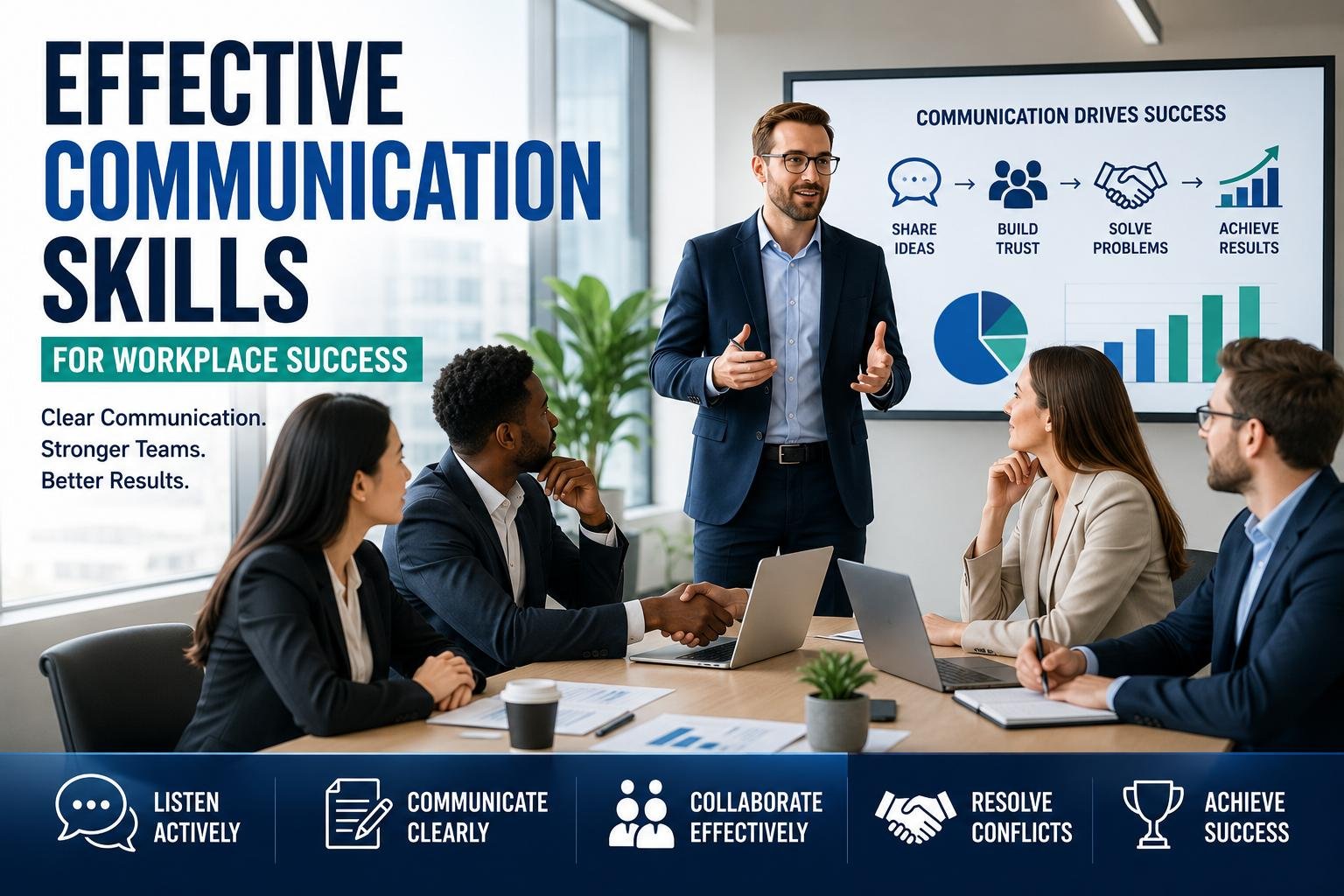
All business owners, managers and employees need to have this skill, which can be one of the most valuable ones. All successful organizations depend on individuals who are able to communicate ideas clearly, work on solving problems together, and communicate and trust each other through valuable conversations. Communication can affect productivity, employee satisfaction, negotiating contracts and negotiating work disputes, all the way to business growth, whether it’s communicating with customers, with employees, with the contract, or with colleagues.
When there is a good flow of communication, teamwork, customer satisfaction, misunderstanding, and employee engagement can improve within an organization. Conversely, a lack of communication can cause lost sales, conflict, low morale, costly mistakes and more that can affect company productivity. Today’s competitive world cannot afford communication gaps as they can destroy relationships or otherwise reduce the efficiency of a business.
Professional communication in customer interactions is one of the most crucial elements to business success. When dealing with customers, they are expecting to be told what they need to know, treated well and get a response in a timely fashion. Proper communication establishes credibility, helps to maintain customer relationships, and encourages customer repeat business. By understanding the influence that communication can have on every aspect of the business, leaders can create a positive business culture and encourage collaboration and innovation.
Effective communication is an Essential Part of Success in the Workplace.
In order to be successful in any workplace, communication is important. All interactions, decisions, policies and instructions between staff need to be understood correctly, which requires a high level of understanding of each other. But even the best teams may be unable to deliver a project well on time if they are unable to communicate well; if they are able to communicate well, then there may be ambiguities in the expectations and misinterpretations within the team. Good communication keeps all staff members up to date with the organization’s objectives and their roles within that organization and enables them to ask questions should they not fully understand their role. This provides a setting for better productivity, working towards shared objectives without fault and blame. Additionally, improved employee engagement can positively impact the business’s success, as motivated and engaged workers are more likely to express their ideas and viewpoints, ultimately boosting productivity and overall performance. Clear communication enhances transparency between leadership and staff to foster trust and alleviate uncertainty in the workplace during times of change or growth. Communication is not simply about transmitting information, it is about creating understanding which enables individuals to operate effectively and successfully together, in a positive manner.
Professional Communication for Customer Service
Customer service is one of the most apparent instances of communication. Communication skills are crucial to establishing and sustaining positive relationships and reputation, as they come into play in each interaction a customer has with a business. Whether addressing a customer’s query, handling a customer complaint or making a product recommendation, customers value an employee who has the confidence, empathy, and professionalism to do so. Communication helps to remove ambiguity and enables customers to act on the information they receive so that they can make informed decisions. When businesses invest the time in listening to customers before reacting to them, they can address their concerns better since they will be familiar with the customer’s needs, not assumptions. The way you say something, the words you use, your non-verbal communication (body language), and your response time all mean a lot to customers when they are assessing the quality of your service. Respect and understanding will lead customers to staying loyal, to recommending the business to their friends and to being more likely to buy products or services. Communication is therefore an important competitive edge that helps to achieve customer retention and sustainable profits.
Work on Building Trust by having Conversations about the Customer.
Equipped with trust-building honesty, respect and transparency, businesses can build trust. Consumers need to have correct information about the cost, delivery time, policy on returns, and the service they can find. When employees communicate information clearly and patiently and make themselves available, they establish positive experiences, which boost employees’ confidence in the organization. Active listening is a similarly crucial skill, as customers can feel they are not being heard if they don’t feel they are. Companies that recognize and apologize when it is warranted and offer practical solutions are demonstrating professionalism which will help cultivate continued loyalty. Successful communication, even in challenging situations, can help employees build better relationships when they are solution-focused, respectful, and calm. Consistency is important throughout all communication channels, such as phone, email, social media and in person, with the same level of service being provided to the customer, no matter how they reach the customer. It helps to build trust and enhances the company’s reputation.
The Development of Communication and Effective Employee Management Skills
It is not enough to just assign tasks and track performance, managing employees is a complex process. Leaders who are successful communicate expectations clearly; give constructive feedback; acknowledge successes; and foster open communication in the organization. When staffs have a clear idea of their performance expectations, and are able to discuss problems without fear of criticism, they will work more effectively. Frequent communication helps to minimize uncertainty and enable managers to detect potential issues before they arise. Open and honest leaders also foster more positive work cultures in which staff feel valued respected and are encouraged to bring their best. Regular team meetings, individual conversations and clear communications about the organization’s progress and
goals keep all stakeholders up-to-date. Additionally, effective communication is essential for employee development, as it offers valuable coaching and learning moments and fosters career growth opportunities. By maintaining regular and respectful communication with empathy, managers foster positive relationships, boost worker engagement, retention, and organizational efficiency.
Providing Constructive Feedback
One of the best communications tools for managers is constructive feedback, as it allows employees to enhance their performance with confidence and motivation. Feedback is more likely to be effective if it is directed at specific behaviors, and not personal criticism, which makes it easier for the employees to know what to do differently and why it is important for them to improve. Managers should ensure that strengths are recognized yet offer some realistic ideas to help professional growth, not discourage it. Timely feedback is vital as it is when the feedback is given soon after an event, as opposed to weeks later. Open dialogue also provides an opportunity for employees to ask questions, share thoughts and work together on ways to improve. Those who have a regular performance conversation have a culture of continuous learning and employees see feedback as an opportunity for improvement and not a punishment. This is a positive approach that fosters accountability, and enhances the manager and team relationship.
Communication is an Integral part of Business Negotiations.
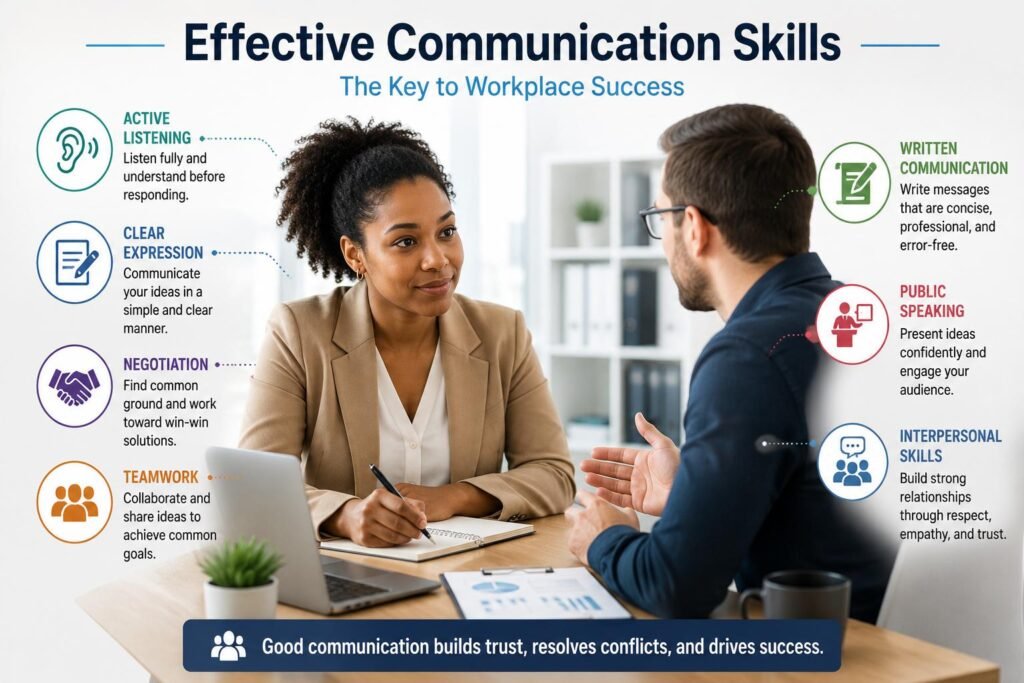
Negotiation is one of the most important functions of business which involves customers, suppliers, investors, employees and strategic partners. During negotiations, effective communication helps both sides to grasp expectations, determine common ground, and find mutually beneficial answers. To be successful, negotiators need to do a lot of preparation, including collecting all the necessary information, setting goals and expectations, and understanding any issues that may arise. It’s important to listen to others during negotiations as well, since recognizing the interests of other parties can also provide opportunities to make compromises that are not evident at first glance. Clear and respectful communication is also important to maintain professionalism in the event of disagreements arising. Using ethical negotiation methods with a level of transparency and flexibility can lead to more enduring partnerships, with the trust maintained throughout the negotiation. Good communicators don’t just look to win every negotiation, they want to achieve a win-win outcome for all parties. Such a partnership fosters business bonds and promotes business sustainability.
Conflict Resolution: Using effective communication.
People in any organization will have diverse personalities, experiences and perspectives and that inevitably will generate conflict. Conflict, however, is not detrimental to an organization if they learn to deal with it in a respectful and effective manner. Issues tend to get worse when people have not communicated, made assumptions, or responded emotionally in situations before they reached a full grasp on how each person thinks. Every person in a conflict should be given the chance to communicate his or her point of view without interruption, which starts with listening. Discussions with leaders should be calm and respectful, and aimed at finding solutions, not apportioning blame. Keeping professional, recognizing emotion appropriately, and finding common ground are ways to make the disagreement into an opportunity to improve. When people can speak up about issues before they get to a stage of conflict, it can be settled faster, which is often the case in organizations that encourage open communication. When conflicts are resolved as a way to enhance understanding, instead of a personal combat, companies create healthy relationships and productive working environments.
The Development of good Listening Ability
While business communication skills are very important, listening is neglected. Effective listeners listen for the words spoken, the tone of the voice, the body language, and the issues being communicated, even though they are not stated. Active listening involves making full use of the time, no interruptions, asking questions, paraphrasing what is said before responding. These are good habits that minimize misunderstandings and show respect for the speaker. Staffs who feel their voice is being heard are far more likely to offer ideas, feedback, and are able to work well with their peers. Listening also enhances decision making, as leaders get more information before making a decision. Listening is a key component of customer service that enables representatives to grasp the customer’s needs accurately, leading to quicker and more appropriate responses. Hence, good listening skills foster teamwork, customer satisfaction, and enhance organizational performance in all areas.
Ways to Listen better in Practice.
Listening skills can be improved with practice and concentration. During a discussion, professionals should avoid distractions, such as using electronic devices and make eye contact. Questions help ensure that understanding is obtained and bad assumptions that could cause errors will be avoided. If a discussion has ended summarizing important points before ending also helps to ensure that both parties have the same understanding of agreed actions or expectations. Also, by using patience, speakers can have enough time to communicate their ideas completely without being rushed or interrupted. Communications training, coaching and leadership development programs that highlight active listening as a necessary skill in the workplace are effective ways of reinforcing these skills within organizations. As time goes on, better listening skills lead to better collaboration, build trust, and aid in better decision making across the company.
Mastering Written Communication
Written communication is a very important aspect of the business world as e-mail, reports, proposals, contracts, instant messages, and company policies are essential to running a business in the modern world. If it is a well-written text, it will always be clear, concise, professional and suitable for the recipient. Ineffective communication can lead to misunderstandings, project delays and communication problems. Prior to sending any written communication, professionals should check for grammar, spelling, tone, and accuracy of the communication, to ensure that it communicates in a professional manner on behalf of the organization. Order, reasonable organization, accurate word selection helps to clarify information and minimize ambiguity. Also, businesses should set communication norms that uniform communication within departments and with customers, including consistency in tone, approach, and method. With remote working and digital collaboration on the rise, it’s more and more vital to understand the communication process for writing in the workplace as many of the conversations are being held on electronic platforms rather than in person. This capability gives an individual the ability to build credibility and to be more efficient and collaborative.
Fundamentals and Techniques of Public Speaking and Presenting
Another important skill that is needed in the workplace and is directly related to communication is the ability of public speaking. There are numerous occasions for people in the business sector to present ideas, such as in meetings, conferences, training sessions and client presentations. Effective speakers structure information, speak fluently, and adjust the speech to suit the audience. Preparation is a great way to minimize anxiety and maximize message clarity and engagement of the audience. Use visual aids to help convey the meaning of the points being made, but not so much that they distract the audience from what you are saying. A good presenter also gets the audience to participate by inviting questions, engaging with the audience and showing enthusiasm about their topic. Confidence is not something that is born, it is something that is built; therefore, as a professional, presentation opportunities are great learning moments for you at any point of your career. Businesses thrive when their employees can give a good presentation, as successful presentations can make better decisions, nurture client relationships, and boost the buy-in on organizational projects.
Strengthening Interpersonal Relationships at Work
Positive interpersonal relationships foster an environment in which staff members feel valued, supported and empowered to work together. Communication is the most effective means of developing these relationships, as trust is gained through regular honesty, empathy and respect. Those with emotional intelligence, who are sensitive to different points of view and communicate courteously, help to foster healthier work environments where working together is the norm. Over time, simple behaviors like expressing thanks, recognizing efforts, encouraging and addressing conflict in an appropriate and respectful manner build and develop relationship. Leaders are especially influential as they demonstrate positive behaviors in communicating with others that employees copy. Strong interpersonal relationships can lead to better employee morale, reduced staff turnover, better teamwork and greater innovation, as workers feel psychologically secure to share their ideas and work together in order to achieve a shared goal. Communication skills investment, therefore, fortifies the individual relationship and also overall performance of the organization.
Strategies for Establishing a Communication-oriented Workplace
It is not just about one-off training sessions, it’s about ongoing improvement and leadership to build a communication-focused workplace. Organizations need to have communication policies, regular feedback, professional development opportunities and reward employees for their excellent communication. Managers should be approachable, and establish safe working surroundings where staff members feel comfortable in raising concerns and putting forward recommendations. Technology should also be used to communicate by enabling effective collaboration so that information can be shared between teams, no matter where they are based. Communication best practices are reinforced through regular workshops, mentoring programs and team building activities, while building professional relationships. Evaluating communication effectiveness based on employee surveys, customer feedback, and performance assessments ensures that organizations have a clear understanding of their communication strengths and weaknesses, and can continue to improve. Companies that regularly invest in communication build flexible and resilient teams that can effectively adapt to the changing market dynamics and customer needs.
Conclusion
Communication is more than just a skill for the workplace, it’s a strategic edge that impacts all facets of organizational success. Communication is the key to the successful collaboration of individuals towards the attainment of common goals in customer interaction, employee’s management, negotiation and conflict resolution, written communication, public speaking and interpersonal relations. Good communication, respectful and professional, allows businesses to foster customer loyalty, boost employee engagement, lower conflict in the workspace and enhance productivity. Communication is not something that is accomplished once and for all, but is a continual learning journey, adapting, experiencing and refining over time. Businesses that prioritize communication skills training and promote active listening, openness and teamwork are well-positioned to thrive in today’s competitive marketplace. In creating a workplace that values communication, business owners foster trust, innovation, and meaningful professional relationships, which contribute to sustained growth and outstanding business performance.
Get more well researched information about Effective Communication Skills for Workplace Success here.