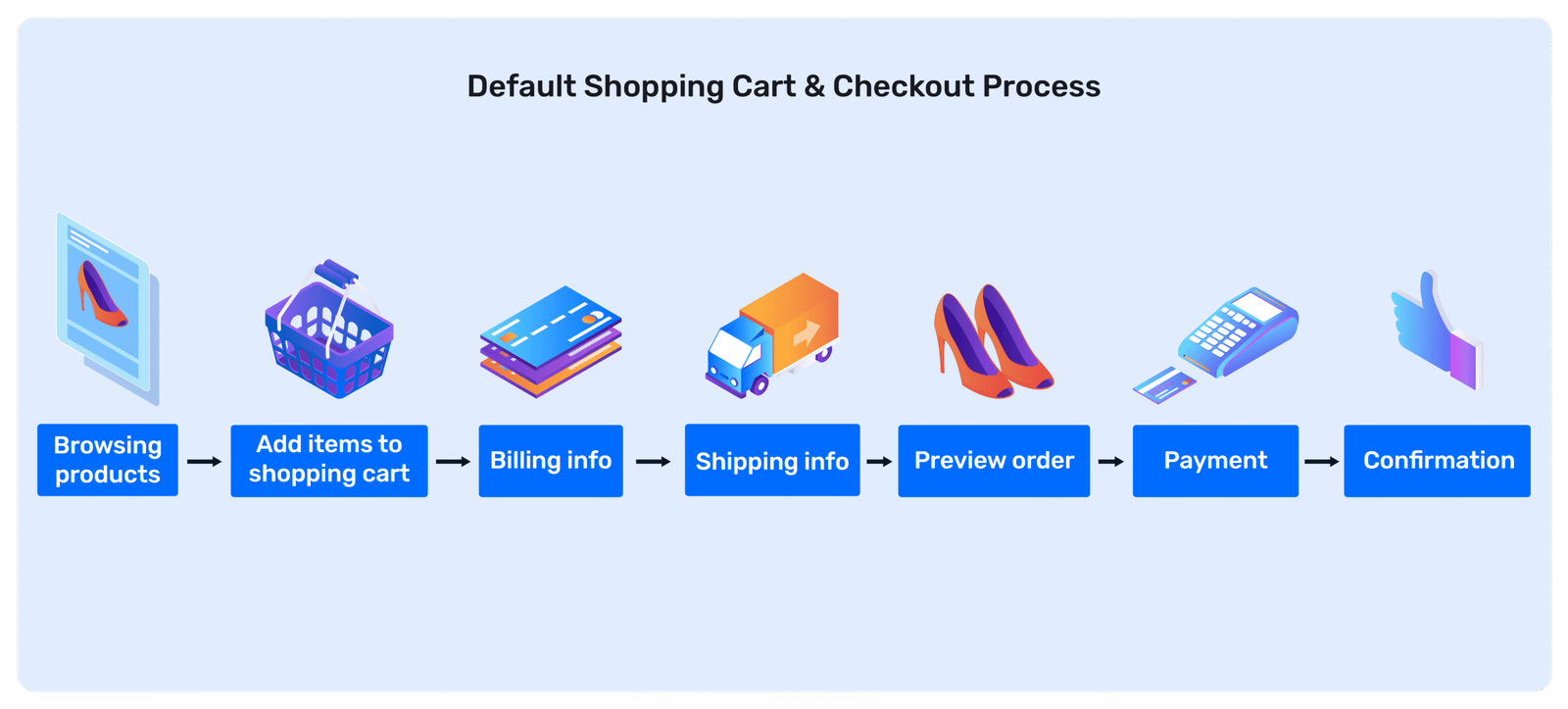
Shipping plays a major role in the success of every online store. Customers today expect fast delivery, transparent shipping costs, accurate delivery dates, and flexible pickup options before they complete a purchase. When shipping information is unclear or expensive, shoppers often abandon their carts and look for alternatives.
For e-commerce businesses, improving the shipping experience is no longer optional. It directly affects conversion rates, customer satisfaction, and long-term brand loyalty. Businesses that optimize shipping operations can reduce checkout friction, improve customer trust, and increase overall sales performance.
Why Shipping Matters in E-Commerce
Modern consumers compare not only products and prices but also delivery speed and convenience. A slow or confusing checkout process can negatively impact purchasing decisions. Studies consistently show that unexpected shipping costs are among the top reasons for cart abandonment.
Customers want answers to important questions during checkout:
- How much will shipping cost?
- When will the order arrive?
- Are there express delivery options?
- Can the package be picked up locally?
- Will duties or taxes apply for international orders?
Providing accurate information in real time helps customers feel confident about completing their purchases.
Common Shipping Challenges for Online Stores
Many online retailers struggle to manage shipping efficiently, especially when scaling operations or selling internationally.
Inaccurate Shipping Rates
Flat-rate shipping may seem simple, but it often creates problems. Businesses may lose money by undercharging or discourage customers by overcharging. Shipping costs vary depending on weight, dimensions, destination, and carrier availability.
Using real-time carrier calculations allows businesses to display accurate shipping costs during checkout, improving transparency and reducing abandoned carts.
Limited Delivery Options
Customers have different delivery preferences. Some prioritize speed, while others prefer affordable shipping or local pickup options. Stores that offer only one or two delivery methods may lose customers who want more flexibility.
Offering multiple carrier services and delivery methods creates a more customer-friendly checkout experience.
Poor Delivery Date Visibility
Uncertain delivery timelines frustrate online shoppers. Customers increasingly expect estimated delivery dates before placing an order.
Displaying estimated delivery windows at checkout helps manage expectations and improves trust. It also reduces customer support inquiries related to shipping status.
International Shipping Complexity
Cross-border shipping introduces additional challenges such as customs duties, taxes, and carrier restrictions. Customers dislike unexpected fees after purchasing.
Businesses that clearly communicate international shipping costs and duties create a smoother shopping experience and reduce disputes or refused deliveries.
Practical Ways to Improve Checkout Shipping Experience
Improving shipping does not always require major operational changes. Small adjustments to the checkout process can significantly improve customer satisfaction.
Offer Real-Time Shipping Rates
One of the most effective improvements is displaying live carrier rates directly at checkout. Real-time shipping rates help customers choose the best option based on cost and delivery speed.
For stores using Magento, integrating solutions like dpd magento 2 support can simplify carrier management and provide accurate shipping calculations from trusted delivery providers.
Real-time rates also help businesses avoid losses caused by incorrect flat-rate pricing.
Provide Multiple Shipping Methods
Customers appreciate having options. Offering standard shipping, express delivery, same-day shipping, and pickup services gives shoppers more control over their purchasing decisions.
Retailers should analyze customer behavior and identify which delivery methods are most popular in their target markets.
Enable Pickup Point Selection
Pickup locations are becoming increasingly popular because they provide flexibility and convenience. Many customers prefer collecting orders from nearby pickup points rather than waiting at home for deliveries.
Integrating pickup point functionality into checkout can improve conversion rates and customer satisfaction.
Show Estimated Delivery Dates
Displaying expected delivery timelines during checkout improves transparency. Customers are more likely to complete purchases when they know when orders will arrive.
Estimated delivery dates should account for processing times, warehouse operations, weekends, holidays, and carrier performance.
Optimize International Shipping
International shipping should be as transparent as possible. Retailers can improve global sales by:
- Displaying duties and taxes upfront
- Providing region-specific shipping methods
- Offering localized carrier options
- Automating customs documentation
Clear communication reduces confusion and prevents unexpected costs for customers.
The Role of Shipping Automation
As online stores grow, manual shipping management becomes inefficient. Automation helps businesses streamline operations while improving accuracy.
Shipping automation can assist with:
- Carrier rate calculations
- Label generation
- Order routing
- Delivery date estimation
- Packaging optimization
- Multi-origin shipping management
Automated systems reduce human error and save valuable operational time.
Businesses managing multiple warehouses or suppliers especially benefit from automated shipping solutions that dynamically calculate the best shipping options for each order.
Improving Customer Trust Through Transparency
Transparency is one of the most important elements of a successful checkout experience. Customers want clear information about costs, delivery expectations, and shipping methods.
Retailers should avoid hidden fees or vague delivery estimates. Instead, they should provide detailed shipping breakdowns directly at checkout.
Clear shipping communication can also reduce customer complaints and return requests.
Some effective trust-building practices include:
- Displaying shipping costs early
- Providing tracking information immediately
- Sending proactive delivery updates
- Offering easy return shipping options
These improvements create a more professional and customer-focused shopping experience.
Why Checkout Optimization Impacts Sales
Checkout is the final step before conversion. Even if customers enjoy browsing products, poor shipping experiences can prevent completed purchases.
A well-optimized checkout process helps:
- Reduce cart abandonment
- Increase conversion rates
- Improve customer satisfaction
- Encourage repeat purchases
- Strengthen brand reputation
Shipping optimization is no longer just an operational task. It is a core part of e-commerce growth strategy.
Final Thoughts
Shipping has become one of the most influential parts of the online shopping experience. Customers expect speed, flexibility, transparency, and convenience at every stage of checkout.
E-commerce businesses that invest in accurate shipping rates, delivery visibility, automation, and flexible carrier options can significantly improve customer satisfaction and conversion performance.
Solutions like Calcurates help online stores simplify complex shipping operations while providing a smoother checkout experience for customers. By optimizing shipping workflows and improving transparency, businesses can create stronger customer relationships and support long-term e-commerce growth.