Public consultation is a structured process used to gather feedback from communities, stakeholders and interested parties on proposed developments or projects. It is particularly important in planning and property, where decisions can directly affect local residents, businesses and infrastructure.
A public consultation agency supports this process by ensuring communication is clear, accessible and responsive. Rather than being a one-off activity, consultation typically forms part of a broader engagement strategy that begins before planning submission and continues throughout the project lifecycle.
Effective consultation allows organisations to understand local concerns, identify potential risks and adapt proposals where necessary. It also helps ensure that stakeholders feel informed and included in decision-making processes.
The Role of a Public Consultation Agency
A public consultation agency provides expertise in designing and delivering consultation strategies that align with planning requirements and community expectations. This includes preparing materials, organising events and managing communication channels.
Agencies often act as an intermediary between developers, local authorities and communities. This role involves presenting proposals in a clear and factual way, while also capturing and reporting feedback accurately.
For example, consultation services may include producing communication strategies, conducting stakeholder audits, arranging public exhibitions and liaising directly with communities, politicians and media representatives.
By coordinating these activities, a public consultation agency helps ensure that engagement is consistent, well-documented and aligned with project objectives.
Key Stages of Public Consultation
Public consultation is typically carried out in stages, each with a specific purpose.
Pre-Application Engagement
Early consultation takes place before a formal planning application is submitted. This stage allows developers to introduce proposals, gather initial feedback and identify key concerns. Proactive engagement at this point can help refine plans and reduce potential objections later in the process.
Formal Consultation
Once a planning application is submitted, statutory consultation begins. This stage is often governed by planning regulations and includes formal opportunities for stakeholders to comment. Maintaining clear communication during this phase is essential to ensure transparency and compliance.
Ongoing Engagement
Consultation does not end once feedback has been collected. Continued communication helps manage expectations, address emerging concerns and maintain relationships with stakeholders throughout the development process. A lack of ongoing engagement can lead to misinformation and increased opposition.
Methods Used in Public Consultation
A public consultation agency uses a variety of methods to reach different audiences and encourage participation.
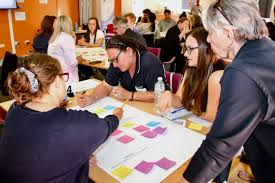
Traditional approaches include public exhibitions, printed materials and community meetings. These methods allow stakeholders to engage directly with project teams and ask questions in person.
Digital engagement has become increasingly important, providing accessible ways for people to review proposals and submit feedback online. This can include project websites, virtual consultations and online surveys.
Consultation campaigns often combine both online and offline methods to ensure inclusivity. Providing multiple channels helps reach a wider audience and accommodates different preferences and accessibility needs.
Managing Community and Stakeholder Relationships
One of the central functions of a public consultation agency is managing relationships with stakeholders. This involves understanding local dynamics, including political, social and economic factors that may influence responses to a project.
Clear communication is essential in building trust. Stakeholders are more likely to engage constructively when they feel their views are acknowledged and taken seriously. This requires timely responses, transparent messaging and a willingness to adapt where appropriate.
Agencies also play a role in mitigating opposition by addressing concerns early and providing accurate information. By maintaining open dialogue, they help reduce misunderstandings and support more balanced discussions around development proposals.
Documentation and Reporting
A key output of public consultation is the documentation of engagement activities and outcomes. This often includes statements of community involvement, feedback summaries and records of communication.
These documents form part of planning submissions and demonstrate that consultation has been carried out in a structured and compliant manner. They also provide evidence of how feedback has influenced the development.
Accurate reporting ensures accountability and supports decision-making by planning authorities and other stakeholders.
Challenges in Public Consultation
Public consultation can present several challenges. Differing stakeholder views may lead to conflicting feedback, requiring careful consideration and balanced responses.
Engagement levels can also vary. Some stakeholders may be highly active, while others may be harder to reach. Ensuring broad participation requires thoughtful planning and a mix of engagement methods.
Time constraints and regulatory requirements can further complicate the process. A public consultation agency helps manage these challenges by coordinating activities efficiently and maintaining compliance with relevant guidelines.
Conclusion
A public consultation agency plays a key role in facilitating communication between project teams and the communities affected by development. Through structured engagement, clear communication and detailed reporting, consultation becomes an integral part of the planning process.
By supporting informed dialogue and capturing stakeholder perspectives, public consultation contributes to more transparent decision-making and a better understanding of how developments interact with their surrounding environment.