Table of Contents
- Overview of Personal Injury Cases in Pennsylvania
- Key Phases of a Personal Injury Case
- Factors Affecting Case Duration
- Typical Timeframes and What to Expect
- Common Causes of Delays
- Tips for Speeding Up Personal Injury Cases
- Conclusion
The timeline for personal injury cases in Pennsylvania can be a source of anxiety for those recovering from accidents and damages. Injured individuals often want clarity regarding how long it may take to secure justice and compensation, making it important to understand the process, influencing factors, and typical timeframes. Seeking skilled representation, such as the experienced attorneys at quinnlawyers.com, can help guide you through these steps and set realistic expectations. Since every case is unique, having a clear perspective can make a significant difference in managing stress and outcomes during the legal process.
The path to resolution for personal injury claims in Pennsylvania varies widely depending on factors such as the extent of the injury, the complexity of liability, and the parties’ willingness to settle. While some cases resolve within months, others may take several years if litigation is required. Having a dedicated legal advocate helps ensure your interests are protected throughout this often lengthy journey.
Overview of Personal Injury Cases in Pennsylvania
Personal injury cases generally arise when someone suffers harm due to another person’s negligence, whether from a car accident, a slip and fall, medical malpractice, or other incidents. Pennsylvania law allows recovery of damages to compensate for lost wages, medical bills, pain, and suffering, but intricate procedural rules govern the process. Each case must satisfy specific elements, such as proving fault and establishing the extent of injuries, which can add time and complexity to the resolution.
Claimants must act quickly, as Pennsylvania imposes a statute of limitations that typically gives injured parties two years from the date of the incident to file a lawsuit. Failing to act within this timeframe may bar recovery entirely. Thorough documentation, early negotiations, and legal representation are vital to making the process as efficient as possible.
Key Phases of a Personal Injury Case
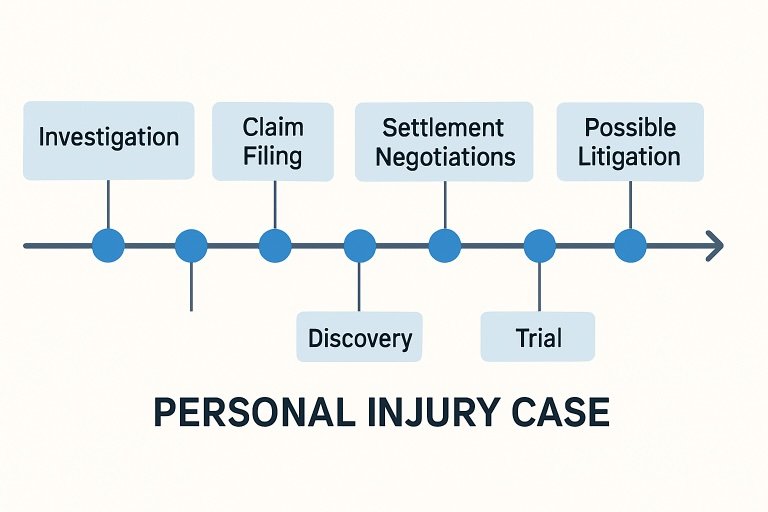
The journey of a personal injury case typically consists of several important stages. The first step is the investigation, which includes gathering evidence, interviewing witnesses, and collecting medical records. Once sufficient information is assembled, a formal claim is filed with insurance companies, and negotiations for a settlement begin. Many cases are resolved at this stage, often within 3 to 9 months of when legal counsel is first engaged.
If an agreeable settlement cannot be reached, the case may proceed to litigation. Litigation begins with filing a formal complaint and serving legal documents, followed by the discovery phase. Discovery can take several months as both sides exchange evidence, depose witnesses, and consult with expert witnesses. Pretrial motions, settlement conferences, and, if unsuccessful, trial may follow.
According to Nolo, the litigation stage can take anywhere from a few months to several years based on court schedules and the complexity of the case.
Factors Affecting Case Duration
Several factors directly influence how long a personal injury case takes in Pennsylvania. The severity and clarity of injuries often play a pivotal role, as cases involving long-term or disputed injuries generally last longer. Liability disputes, multiple parties, or questions regarding the degree of negligence also contribute to delays. The caseload of Pennsylvania courts and the responsiveness of insurance companies can further extend the duration.
Additionally, the defendant’s willingness to settle or contest the claim is a major determinant. Cases that require multiple medical expert opinions or that involve extensive discovery are usually more complex and take years to resolve.
Typical Timeframes and What to Expect
While every case is unique, there are some general benchmarks for timing in Pennsylvania personal injury cases:
- Quick Settlement: Straightforward cases with clear liability may settle within three to six months after the claim is filed with the insurer.
- Extended Settlement/Litigation: More complex cases that proceed to discovery and require a trial may take 1 to 3 years from the incident to the final verdict or settlement.
- Appeals: If a case is appealed, the process can extend the timeline by another year or more.
Most cases are settled before going to trial. According to the U.S. Department of Justice, fewer than 5 percent of personal injury cases actually reach the courtroom, and when they do, the process is significantly longer and more involved.
Common Causes of Delays
Several common issues can delay Pennsylvania personal injury cases. These include:
- Incomplete or delayed medical treatment makes it difficult to determine final damages
- Disputes over liability or comparative fault
- Scheduling issues with courts or expert witnesses
- Backlogs in local courts, particularly in more populous counties
- Disagreements over settlement amounts or insurance policy limits
Staying apprised of developments and working with experienced legal counsel can help minimize unnecessary delays. For more insight into how courts handle these backlogs, the New York Times examines how the pandemic has contributed to longer waiting times in court systems across the country.
Tips for Speeding Up Personal Injury Cases
While some factors are inevitable, there are strategies you can use to move your case forward efficiently:
- Promptly document your injuries and all related expenses
- Work hand in hand with your attorney to gather evidence quickly
- Maintain open communication with your legal team
- Be proactive in your medical treatment to avoid unnecessary delays in documentation
- Avoid common mistakes that could weaken or prolong your claim
These steps will benefit your case, regardless of its complexity, and can help ensure a more predictable timeline for resolving.
Conclusion
Understanding how long personal injury cases usually take in Pennsylvania can help you make informed decisions regarding your claim. While timelines can vary widely, factors such as case complexity, court schedules, and the willingness to negotiate can make the difference between a fast resolution and an extended legal battle. By working with knowledgeable attorneys and taking proactive steps, you can put yourself in the best position to navigate the process as efficiently as possible.
