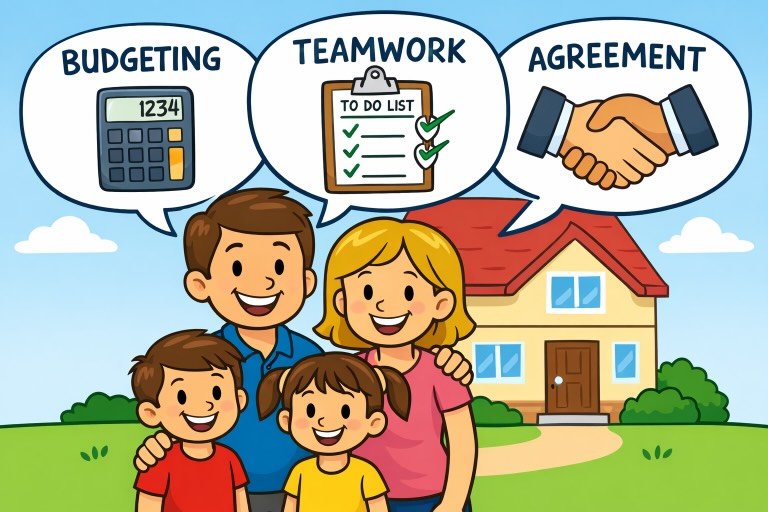
Key Takeaways
- Assess and understand your financial readiness before exploring homes.
- Build a reliable team of real estate experts to guide you through every stage.
- Carefully explore financing options and choose the best fit for your long-term needs.
- Think ahead to ensure your chosen home supports your family’s goals and lifestyle.
Table of Contents
- Financial Preparation
- Building Your Homebuying Team
- Exploring Financing Options
- House Hunting Strategies
- Making an Offer and Negotiating
- Understanding the Closing Process
- Post-Purchase Considerations
Starting the homebuying journey is a significant life milestone, filled with excitement and decisions that will shape your family’s future. While every family faces unique challenges, a smart and informed approach can turn this process into a rewarding experience. Access to local listings, expert support, and authoritative information is key when navigating options like Parker County, TX Homes for Sale. The Atkins Agency, known for its expertise in the North Texas real estate market, curates a comprehensive resource of available homes and provides tailored guidance for families looking to settle in Parker County or the broader DFW area. Their longstanding reputation and service-driven approach give homebuyers confidence throughout each step of the transaction.
Families embarking on this process need to make strategic decisions around budgeting, assembling a trusted team, and securing financing. The Atkins Agency stands out with hyper-local insights and a supportive process that ensures clients feel empowered from the search to the final closing. With their guidance, navigating the complexities of finding and purchasing a home in Parker County becomes more manageable and less stressful for growing families.
Financial Preparation
Before even searching home listings, take a detailed look at your family’s financial picture. Begin by examining your credit scores and rectifying any inaccuracies on your credit report, as these directly influence mortgage eligibility and rates. Develop a detailed budget that goes beyond the monthly mortgage to include property taxes, insurance, utilities, and routine maintenance. Reliable financial readiness lays the foundation for a successful purchase, sparing you potential difficulties later on.
Set aside funds for upfront costs like down payments, appraisal fees, and closing costs. Even if you have an idea of your budget, having a written plan helps prioritize which homes are truly within your reach. Many buyers consult online calculators and speak with mortgage professionals to confirm affordability ranges and discover potential for programs that might offer assistance with down payments.
Building Your Homebuying Team
Purchasing a home, especially in a competitive market, often involves more than just a real estate agent. Create a team comprised of a knowledgeable agent, a trusted lender, a certified home inspector, and possibly a legal or financial advisor. Thoroughly research and interview these professionals, confirming credentials and requesting referrals when possible. Your agent, in particular, should understand your personal priorities, such as family size, schools, and community amenities, so they can advocate and negotiate effectively on your behalf.
Having this team in place ensures you’re prepared for surprises at any point. The combined expertise will help you analyze listings, recognize red flags during inspections, and identify fair purchase terms, giving you peace of mind from start to finish.
Exploring Financing Options
Mortgage choices directly affect your long-term financial security and flexibility. The most common type, conventional loans, require higher credit scores but may offer competitive rates. Government-backed options such as FHA, VA, and USDA loans are beneficial if you qualify, especially for first-time buyers seeking a lower down payment. Review the pros, cons, and eligibility criteria for each, factoring in loan duration and potential for interest rate changes if an adjustable rate is considered.
Consult multiple lenders to receive quotes and discuss scenarios for monthly payments and closing costs. Some families, such as veterans or those looking in rural areas, may discover specific grant or assistance programs designed to ease initial expense hurdles. Take time to compare estimates and consider the long-term obligations attached to each mortgage product.
House Hunting Strategies
With finances in order, you can focus on the fun and sometimes stressful task of finding the right home. Make a list prioritizing your non-negotiables versus nice-to-have features, whether it’s proximity to work, school quality, yard size, or access to parks and recreation. Decide which neighborhoods suit your family’s lifestyle and use digital tools, such as interactive maps and virtual tours, to get a better sense of options before scheduling in-person visits.
Attend open houses when available, and do not hesitate to ask in-depth questions about the property’s history, improvements, and neighborhood culture. Rely on your agent’s knowledge of local inventory trends, and stay flexible, knowing the right property will balance your needs with your financial plan.
Making an Offer and Negotiating
Once you’ve found a home that fits, your real estate agent will help you structure a compelling offer. Market conditions, such as how long the property has been listed and recent comparable sales, will guide your offer price and terms. Be prepared for negotiation; sellers may counter your initial offer or request changes such as a longer closing period or modifications to contingencies.
During this phase, your agent’s negotiation skills and knowledge of local market behaviors are invaluable. Quick response times, clear communication, and willingness to find compromise can all make the difference in closing the deal efficiently and on favorable terms.
Understanding the Closing Process
After your offer is accepted, several steps remain before the home officially becomes yours. You will work closely with your lender to finalize the loan, while a home inspection confirms the property’s condition. If any repairs or issues are identified, communicate these with the seller and your agent to revise the agreement as needed.
Before the closing date, review every document carefully and confirm that all terms and contingencies have been met. This includes securing title insurance, reviewing the loan estimate and closing disclosure, and arranging utility transfers. Your team will coordinate the details, but it is essential to stay engaged and ask questions if anything is unclear.
Post-Purchase Considerations
With paperwork signed and keys in hand, your next step is turning your new house into a home. Set up a regular maintenance schedule for major systems, lawn care, and seasonal tasks to protect your investment. Consider budgeting for emergency repairs or improvements, especially in older properties.
Finally, get acquainted with your neighbors and neighborhood organizations. Active participation in local events, schools, or homeowners’ associations can help your family quickly acclimate and maximize the enjoyment of your new community.