By: Tony Saidiani
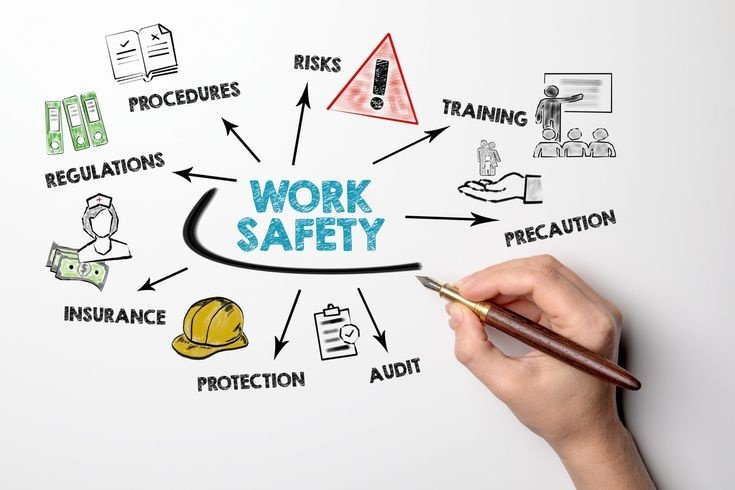
Occupational health and safety refers to the practices, policies, and procedures designed to protect the well-being of employees in their workplace. The goal is to prevent work-related injuries, illnesses, and deaths while promoting a culture of health and safety.
A safe work environment benefits both the employee and employer:
- Employees: Reduced risk of injury or illness, better well-being, and increased job satisfaction.
- Employers: Increased productivity, reduced absenteeism, lower healthcare costs, and a more engaged workforce.
Common Occupational Health Issues and Injuries
The types of injuries and health issues workers face vary by industry, but some common occupational health risks include:
1. Musculoskeletal Disorders (MSDs)
Musculoskeletal disorders are among the most prevalent types of occupational injuries. These conditions, including back pain, carpal tunnel syndrome, and repetitive strain injuries, often result from poor ergonomics, repetitive motion, or heavy lifting. Employees working in manual labor, offices, or warehouses are especially vulnerable to these conditions.
- Prevention: Providing ergonomic workstations, training employees on proper lifting techniques, and implementing regular breaks for repetitive tasks can significantly reduce the risk of MSDs.
2. Respiratory Disorders
Workplaces that involve exposure to dust, fumes, chemicals, or other airborne contaminants may lead to respiratory illnesses, such as asthma, bronchitis, or even lung cancer. Construction sites, factories, and healthcare settings often pose higher risks.
- Prevention: Ensuring proper ventilation, supplying personal protective equipment (PPE) like masks, and regular health checkups for employees can help prevent respiratory issues.
3. Slips, Trips, and Falls
Slips, trips, and falls are among the most common causes of workplace injuries, leading to sprains, fractures, and concussions. These incidents are particularly frequent in environments with wet floors, cluttered work areas, or uneven surfaces.
- Prevention: Ensuring clear walkways, using non-slip mats, and regularly cleaning floors can reduce the likelihood of these accidents.
4. Hearing Loss
Exposure to loud noise in workplaces like construction sites, factories, or airports can cause permanent hearing damage. Prolonged exposure to sound levels above 85 decibels can lead to noise-induced hearing loss (NIHL).
- Prevention: Providing ear protection (earplugs or earmuffs) and limiting exposure to loud environments can protect employees’ hearing.
5. Psychological Health Issues
In addition to physical injuries, mental health issues such as stress, anxiety, and depression are growing concerns in the workplace. High-pressure work environments, long hours, or poor work-life balance can contribute to burnout and mental health decline.
- Prevention: Promoting a supportive work environment, offering mental health resources, and fostering work-life balance are essential for addressing psychological health.
How to Prevent Occupational Injuries
Preventing occupational injuries involves creating a culture of safety, providing the right tools and training, and regularly assessing and improving workplace practices. Here are some key steps that businesses can take to mitigate risk:
1. Conduct Regular Risk Assessments
Identifying hazards before they lead to injuries is crucial. Employers should conduct regular risk assessments to identify potential hazards in the workplace and take action to eliminate or control them.
2. Implement Safety Training Programs
Employees should be trained on workplace safety protocols, including how to handle equipment, avoid hazardous tasks, and use PPE. Ongoing training is necessary to reinforce safety practices and keep employees informed of any new risks.
3. Promote Ergonomics and Proper Lifting Techniques
Ergonomic workstations and safe lifting techniques can prevent injuries like back strain or repetitive motion disorders. Encourage employees to adjust their seating, workstation height, and posture to prevent strain on muscles and joints.
4. Ensure Access to Personal Protective Equipment (PPE)
In high-risk industries, providing the appropriate PPE (e.g., helmets, gloves, masks, eye protection) is essential. Employers should ensure that employees have access to quality PPE and are properly trained on its use.
5. Foster a Culture of Safety
A workplace safety culture promotes accountability and encourages employees to report unsafe conditions without fear of retaliation. Encourage open communication, reward safe behavior, and provide incentives for safety compliance.
The Role of Occupational Health Policies
An effective occupational health policy is a cornerstone of workplace safety. These policies should clearly outline the roles and responsibilities of both employees and employers in maintaining a safe and healthy work environment. Key components of an occupational health policy might include:
- Safety Guidelines: Clear, documented safety protocols for different tasks and scenarios.
- Accident Reporting Procedures: A system for reporting injuries or unsafe conditions and investigating incidents.
- Health and Safety Training: Mandatory training for all employees on workplace hazards and safety practices.
- Health Surveillance: Regular medical checkups or health screenings for workers exposed to specific hazards.
The Legal and Ethical Responsibility of Employers
Employers are legally obligated to provide a safe working environment under laws like the Occupational Safety and Health Act (OSHA) in the U.S. Failure to comply with health and safety regulations can result in fines, lawsuits, and reputational damage. Ethical responsibility goes beyond compliance, ensuring that employees are protected from harm and supported in maintaining their health at work.
Conclusion
Occupational health and safety are crucial to the well-being of employees and the overall success of a business. By understanding common occupational injuries, implementing proactive safety measures, and fostering a culture of care, employers can create safer work environments and reduce the risk of injuries. When both physical and mental health are prioritized, companies experience improved productivity, reduced costs, and a more engaged workforce.
Call to Action:
To ensure a safer workplace, start by assessing the current health and safety practices in your organization. Prioritize training, implement robust safety protocols, and commit to protecting your employees — because a healthy workplace is a productive workplace.
This article was published on Medium. Click here.