What is an STD Test?
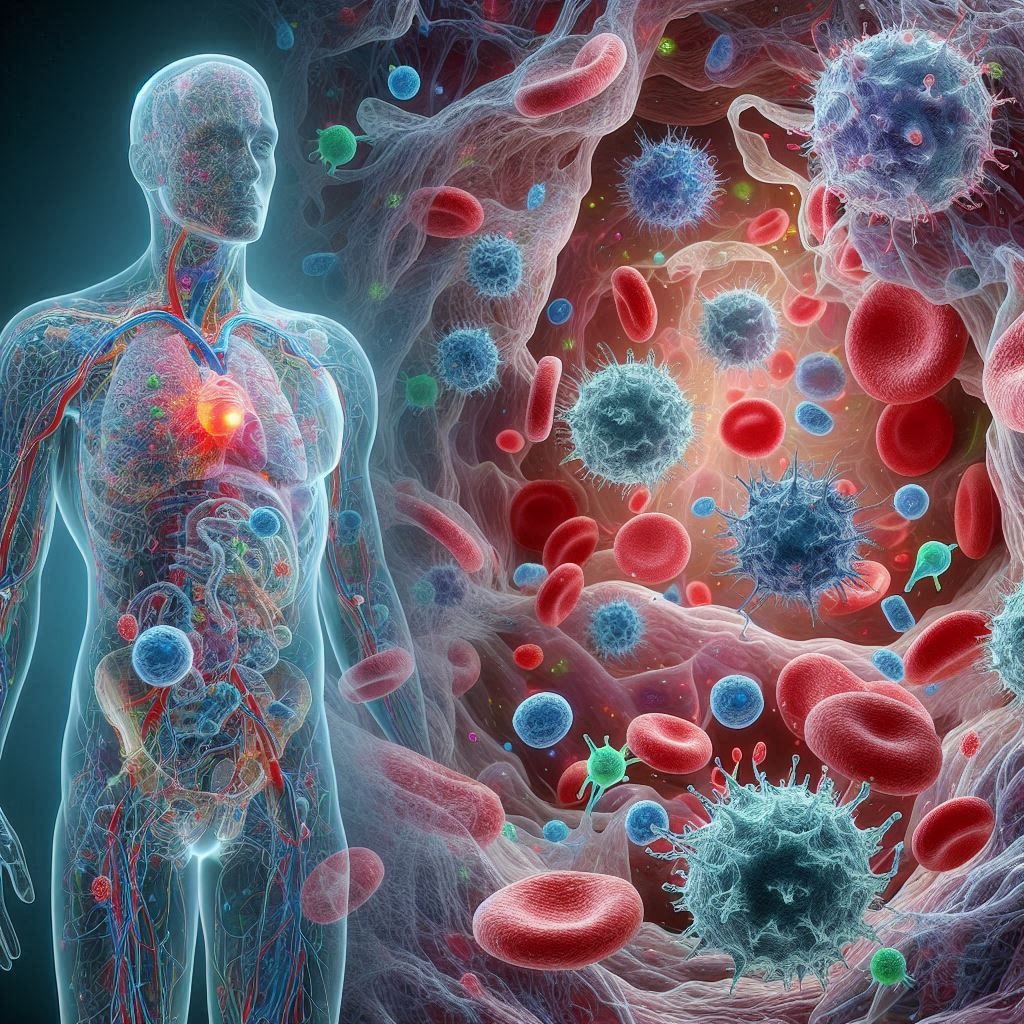
An STD test is a medical test used to detect infections that are mainly spread through sexual contact. These are commonly known as Sexually Transmitted Infections, and they can affect anyone who is sexually active. Many people assume STDs only exist when symptoms appear, but in reality, a person can carry an infection without showing any signs.
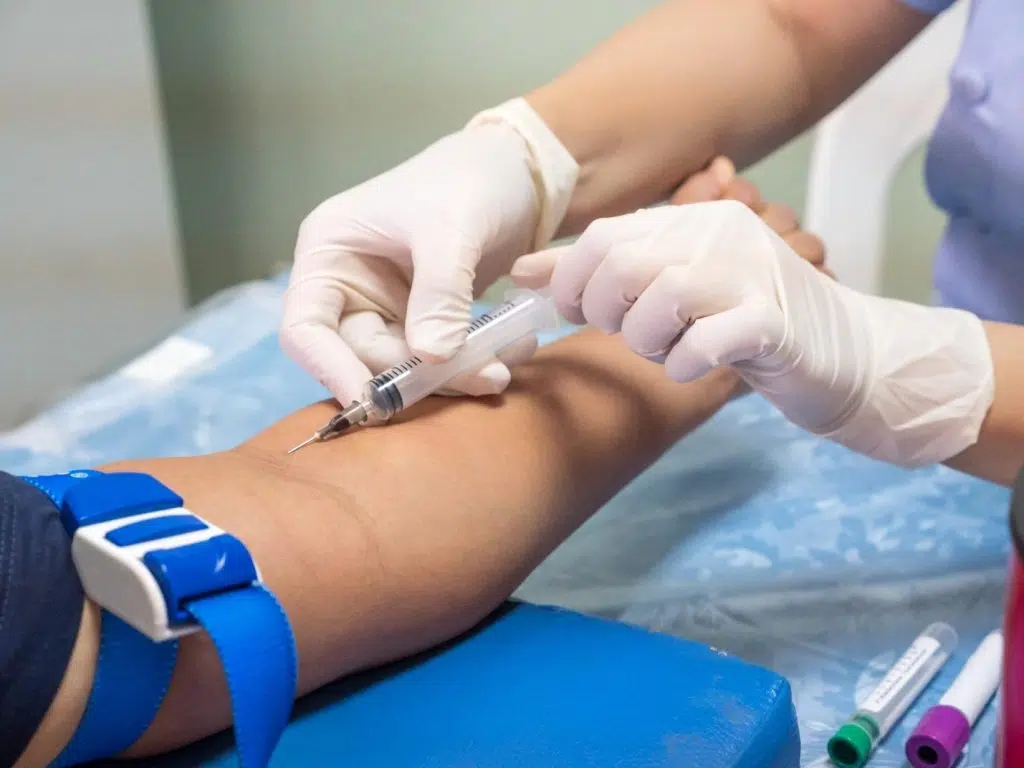
STD testing plays a crucial role in early detection, allowing timely treatment and preventing transmission to others. Tests may include blood samples, urine tests, or swabs from areas such as the genitals, throat, or rectum.
Why STD Testing is Important
Getting tested is essential not only for your health but also for protecting your partner. Early diagnosis helps prevent serious complications.
Some key benefits include:
- Early detection and treatment
- Reduced risk of spreading infections
- Prevention of long-term issues like infertility
- Better awareness of your sexual health
Certain infections like HIV can become severe if untreated, while others like Chlamydia may silently damage the body over time.
Types of STD Tests
1. Blood Tests
Used to detect infections such as:
- Syphilis
- Hepatitis B
- HIV
2. Urine Tests
Common for:
- Gonorrhea
- Chlamydia
3. Swab Tests
Used for:
- Human Papillomavirus
- Genital Herpes
4. Rapid Tests
Provide quick results, especially for HIV.
When Should You Go for an STD Test?
- You should get tested if:
- You had unprotected sex
- You have multiple partners
- You notice symptoms like pain, discharge, or sores
- You’re starting a new relationship
- You are pregnant
- You want routine health screening
- Even without symptoms, regular testing is highly recommended.
What is IV Drip Therapy Treatment?
IV Drip Therapy is a treatment where fluids, vitamins, minerals, and medications are delivered directly into the bloodstream through an intravenous (IV) line. This method allows faster absorption compared to oral medications.
In recent years, IV therapy has gained popularity for wellness, recovery, and supportive care in various medical conditions.
Role of IV Drip Therapy in STD Treatment
It’s important to understand that IV drip therapy does NOT replace STD testing or primary treatment, but it can play a supportive role in certain cases.
1. Boosting Immunity
IV drips often contain vitamins like Vitamin C and B-complex, which can help strengthen the immune system while the body fights infections.
2. Faster Recovery
Infections can weaken the body. IV fluids help in hydration and recovery, especially if a person is feeling fatigued or unwell.
3. Support in Severe Cases
In some serious infections like advanced HIV or complications from untreated STDs, hospital-based IV treatments (including antibiotics or antivirals) may be required under medical supervision.
4. Symptom Management
IV therapy can help reduce symptoms like weakness, dehydration, and low energy levels during recovery.
Important Note About IV Therapy
While IV drip therapy can support recovery, it is not a cure for STDs.
The main treatments include:
- Antibiotics (for bacterial infections like gonorrhea or syphilis)
- Antiviral medications (for viral infections like HIV or herpes)
- Always consult a qualified doctor before opting for IV therapy.
How Often Should You Get Tested?
- Once a year (general recommendation)
- Every 3–6 months (if multiple partners)
- Immediately (if symptoms appear)
- Common Myths About STD Testing
- Myth: No symptoms means no infection
- Truth: Many STDs are silent
- Myth: Testing is painful
- Truth: Most tests are quick and simple
- Myth: It’s embarrassing
- Truth: It’s a responsible health decision
Final Thoughts
STD testing is a vital step in maintaining overall health. Early detection ensures proper treatment and prevents complications. While therapies like IV drips can support recovery, they should never replace proper diagnosis and medical care.
Being proactive about your health protects not only you but also your partner. If you think you might be at risk, don’t delay—get tested and consult a healthcare professional.