Key Takeaways
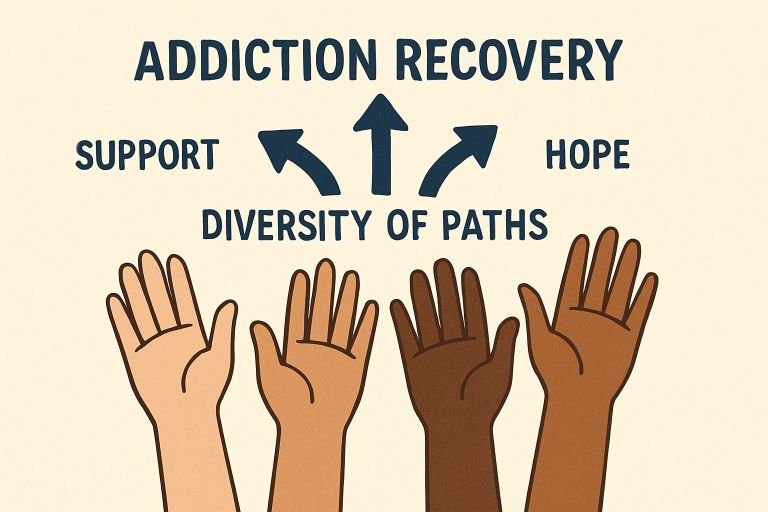
- A variety of addiction therapies offer personalized paths to recovery, allowing individuals to address the specific roots and dynamics of their addiction.
- Combining different therapeutic approaches can enhance treatment effectiveness, as no single method works flawlessly for everyone.
- Emerging technologies and methods are expanding options for those seeking help, making treatment more accessible and individualized.
Addiction is a widespread and complex issue that can profoundly affect every aspect of a person’s life as well as the lives of their loved ones. What makes addiction particularly challenging is how it often weaves into daily routines, relationships, self-esteem, and even physical health, causing ripples that may persist for years. For many, seeking help feels overwhelming due to stigma, fear, or uncertainty about what recovery will require. However, navigating a path to recovery is possible, thanks to the growing range of addiction therapies designed to help individuals find hope and healing. For those in the Ottawa area seeking effective and compassionate help, connecting with a Trauma-Informed Addiction Therapist Ottawa can provide a strong starting point for the journey ahead. The right approach often means the difference between ongoing struggle and truly reclaiming your life.
Over recent decades, addiction treatment has shifted towards personalized approaches, recognizing the importance of addressing individual life experiences and unique causes of addiction, such as trauma and genetics. This individualized therapy enhances recovery prospects by empowering individuals in their healing process. Current strategies emphasize a blend of physical, emotional, and social interventions, supported by therapists, family, and community resources, to foster long-term wellness. Additionally, the rise of digital tools and research-based methods has increased access to care, helping overcome barriers such as cost and privacy concerns, and underscoring the need for continuous adaptation to new therapeutic options.
Traditional 12-Step Programs
Among the most well-known approaches to addiction recovery are 12-step programs, like Alcoholics Anonymous (AA). These peer-led groups provide individuals with a structured recovery process and a built-in support network. By working through the 12 steps, such as acknowledging powerlessness, making amends, and fostering a spiritual foundation, participants are guided toward lasting sobriety. The group-based nature of AA and similar programs helps combat loneliness, encourages accountability, and fosters a sense of purpose. Individuals not only find peers who understand their struggles, but also mentors who help model positive change. Research shows that ongoing participation is associated with higher chances of long-term sobriety. Many people credit 12-step groups with transforming their lives and offering hope when other strategies failed.
Cognitive-Behavioral Therapy (CBT)
Cognitive-Behavioral Therapy, or CBT, is another proven tool for treating addiction. This method is grounded in the understanding that thoughts drive emotions and actions, so by changing thought patterns, individuals can change their behavior. CBT practitioners help clients recognize unhealthy thought patterns that drive addictive behaviors, such as negative self-talk or beliefs about substances being the only way to cope with stress or trauma. The goal is to replace negative habits with constructive coping skills and prepare clients to deal with high-risk situations before they arise. This often includes role-playing, stress management techniques, and relapse-prevention planning. Its adaptable framework and strong evidence base make CBT widely accessible and effective for treating various types of substance use disorders. Furthermore, CBT can be delivered in both individual and group settings, making it a flexible option for different preferences and needs.
Motivational Enhancement Therapy (MET)
MET is designed for individuals who may feel ambivalent about change or are uncertain about beginning treatment. Unlike directive therapies, MET employs motivational interviewing, where the clinician works with the client to foster an internal desire to change. Sessions often involve exploring personal values, life goals, and the discrepancies between current behavior and desired outcomes. By focusing on what matters most to the client, MET helps clients develop insight into how addiction has affected their lives and increases motivation for change. This supportive, non-confrontational approach helps clients move past resistance and commit to their recovery process, ultimately leading to more meaningful, lasting results.
Mindfulness-Oriented Recovery Enhancement (MORE)
Mindfulness-Oriented Recovery Enhancement draws from both mindfulness practices and cognitive-behavioral strategies. Participants learn to become aware of their thoughts and bodily sensations without judgment, providing a crucial pause between craving and action. Through meditation, breathing exercises, and guided awareness, individuals learn to pause and observe cravings rather than acting on them impulsively. This practice not only helps prevent relapse but also nurtures emotional regulation and overall well-being. Clinical research suggests that integrating mindfulness can significantly reduce relapse rates and improve emotional resilience, helping those in recovery respond to stress in healthier ways. Many people find that practicing mindfulness enhances their ability to experience joy and presence, counteracting the emptiness often left by addiction.
Community Reinforcement Approach and Family Training (CRAFT)
CRAFT acknowledges that family and social environments play a crucial role in addiction and recovery. Rather than confrontation, which may alienate loved ones with substance use issues, this approach emphasizes supportive and nonjudgmental communication. Family members are taught strategies to reinforce positive behavioral changes, set clear boundaries, encourage treatment participation, and improve overall family functioning. Families learn practical tools for managing their own emotional well-being while supporting their loved one’s recovery journey. Engaging families in recovery efforts can be especially helpful for those who are hesitant to seek help themselves. As a result, CRAFT not only addresses the needs of individuals with addiction but also empowers their support systems to contribute positively to the healing process.
SMART Recovery
SMART Recovery offers a structured alternative to traditional programs, focusing on self-empowerment and personal responsibility. Instead of steps based on spirituality, its model revolves around rational decision-making and practical skills-building. Techniques from CBT and motivational interviewing are at the core of SMART Recovery’s curriculum. Participants learn to build motivation, manage urges, and cultivate a balanced lifestyle by using exercises, self-reflection, and group dialogue. Meetings encourage open discussion and goal-setting, fostering problem-solving skills for everyday challenges. Its adaptable nature makes it attractive to a wide range of individuals, including those who may prefer a secular or science-based approach to recovery. As more people seek flexible and modern recovery support, SMART Recovery’s popularity continues to rise worldwide.
Innovative Therapies and Future Directions
Addiction therapy continues to advance as researchers and clinicians explore new tools and biological treatments. For example, GLP-1 medications, often used to treat diabetes and weight loss, are now under study for their potential to reduce cravings and diminish substance-seeking behavior in people with addiction. Meanwhile, noninvasive brain stimulation techniques such as transcranial magnetic stimulation (TMS) are being developed to address compulsive urges, mood disorders, and even opioid use disorders. In addition, the growth of digital therapy platforms and mobile recovery apps is providing flexible, immediate support to those who may face barriers to traditional in-person services. This technology allows people to access help in the privacy and comfort of their homes, receive regular feedback, and engage in community forums for additional encouragement. As more advances are made, the field will likely become even more personalized and accessible, further reducing stigma and expanding care.
Conclusion
Recovery from addiction is a deeply personal process that rarely looks the same for any two individuals. The wide spectrum of addiction therapy options, ranging from peer-support networks to cutting-edge medical treatments, ensures that everyone can find a path suited to their unique journey. Whether you’re drawn to traditional groups, evidence-based therapy, mindfulness, family involvement, or emerging medical and digital interventions, there is hope and support available. By staying informed about the variety of available resources and approaches, people can make decisions that foster sustainable healing and growth in their lives. Embracing the diversity of available therapies helps individuals and families build resilience, find renewed purpose, and create a future free from the grip of addiction.