Nobody thinks about their drains until they stop working. That is just the truth of it. And on the Gold Coast, when something goes wrong underground, it tends to go wrong fast — partly because of the climate, partly because of how a lot of homes here were built, and partly because the warning signs are easy to ignore or explain away. A slow sink drain gets blamed on soap. A smell near the laundry gets blamed on the bin. Blocked drains in Gold Coast homeowners deal with rarely announce themselves clearly. They build quietly, over weeks, sometimes months, and then they become somebody’s very bad Tuesday.
Heat Does More Damage Than People Realise
The Gold Coast is warm most of the year. That sounds pleasant, and it is, but it creates a specific problem inside pipes. Cooking grease that would harden and sit in a colder climate stays soft and sticky here. It clings to the inside of drain walls. Debris — food scraps, hair, soap residue — attaches to it. The pipe narrows gradually. Nobody notices until water is sitting in the basin for a full minute before it budges. By then, the blockage is not a fresh one. It has been forming for a while, layering up slowly in the warmth, and a bottle of drain cleaner is not going to sort it out.
Roots Find Cracks Before You Do
Tree roots are a serious drainage issue here, and not just from large trees. Frangipani roots, which are everywhere in Gold Coast gardens, are thin, fast, and relentless when they sense moisture. A pipe with even a hairline crack is an invitation. The root enters, grows, catches debris, and eventually turns a small fracture into a genuine blockage — or worse, a collapsed section. The frustrating part is that none of this shows up at ground level. The garden looks fine. The lawn is healthy. It is only when a plumber runs a camera through the line that the picture becomes clear, and by then there is real work to be done.
Older Homes Carry Hidden Vulnerabilities
A large portion of Gold Coast residential housing was built during the canal estate era, when clay and cast-iron drainage was standard. These materials age in predictable ways — internal scaling, gradual cracking, and joints that shift as the surrounding soil moves. Soil movement, by the way, is not unusual near waterways and low-lying areas, which describes a significant chunk of the Gold Coast. When these pipes develop what plumbers call a belly — a section that has sagged slightly downward — water pools in that low point rather than flowing freely. It is not a full blockage. It just acts like one, and it gets worse every time something else comes through the line. Recognising this is part of why dealing with blocked drains in Gold Coast properties have requires more than a quick jet and a hope for the best.
What the Camera Finds Is Rarely Simple
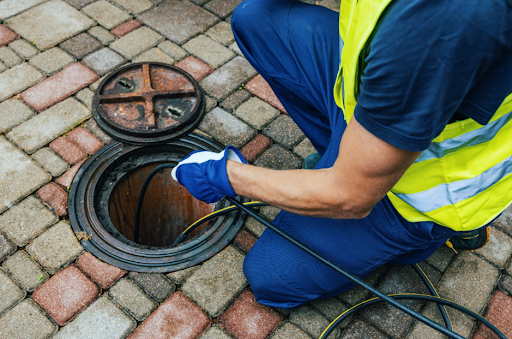
When a plumber sends a CCTV camera through a Gold Coast drain, the footage is almost never clean. It usually shows a combination of things happening at once — some grease, some root intrusion, a slightly bellied section, a cracked joint near the driveway edge where vehicle weight has done its work over the years. Any single one of those might not cause an immediate problem. Together, they explain a lot. They explain why the drain blocks again three months after a chemical treatment. The chemical cleared the soft debris but left everything else exactly as it was. The camera does not lie, and it changes the conversation from guesswork to an actual diagnosis.
Stormwater and Sewage Are Not the Same Pipe
This one catches people off guard. A portion of Gold Coast properties — particularly those that have been renovated or extended by previous owners without a licensed plumber — have illegal cross-connections between the stormwater system and the sewer line. When heavy rain comes, the stormwater volume floods into the sewer, which cannot handle it, and the backup appears at the lowest point in the house. That is usually the ground floor toilet or laundry. The homeowner assumes it is just a bad storm. In reality, it is a plumbing fault that will happen again at the next heavy rain, and the next. Council takes cross-connections seriously. The liability sits with the property owner, not with whoever did the dodgy work years ago.
Conclusion
The reason to stay on top of blocked drains in Gold Coast properties are prone to is not about avoiding a plumbing call-out. It is about understanding that what looks like a plumbing problem is often a building problem in disguise. The Gold Coast’s climate, soil conditions, and housing stock create a specific set of drainage risks that are worth knowing about. Catch them early and the fix is manageable. Leave them alone and the story tends to get more complicated — and considerably more expensive — than it ever needed to be.