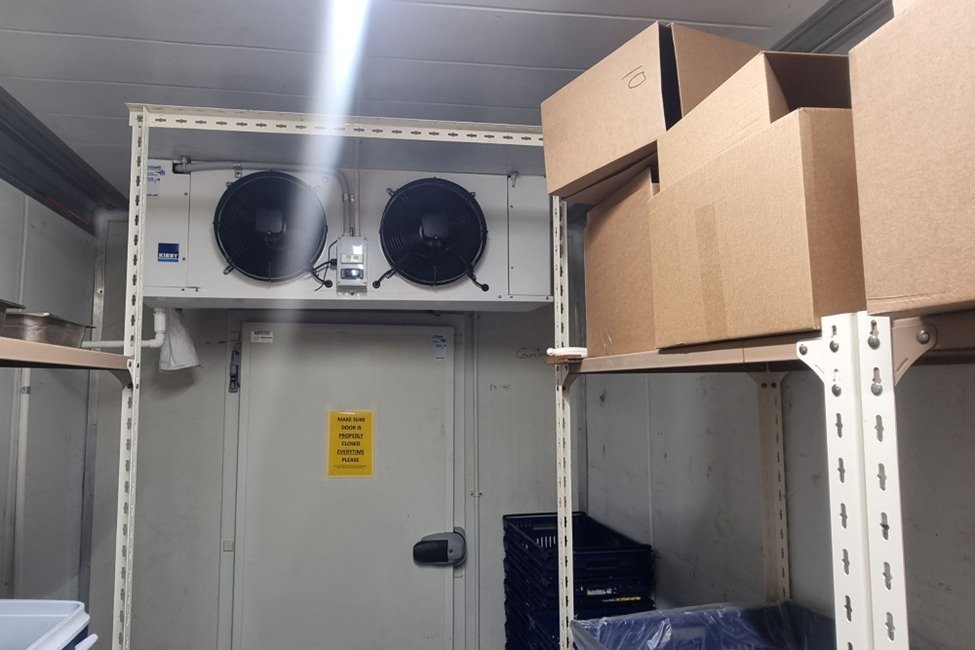
Temperature control has become a significant part of various industries from food production and beverage processing to laboratories and commercial facilities. Enhanced cooling conditions preserve equipment, products, and efficient operations. The glycol chiller system is one of the common solutions that are used for reliable temperature management.
A glycol chiller will be used to extract heat from equipment or products and to keep the temperature controlled in the presence of a combination of glycol and water as the cooling medium. These systems are usually installed together with cooling equipment like walk in chiller, whereby accuracy in temperature regulation is significant in ensuring product quality and efficiency of the system.
How Glycol Chillers Work
A glycol chiller works by pumping a blend of glycol and water around a closed loop. This chilled liquid picks up the heat of equipments or other places that need time to be cooled down, after which the heat is extracted back into the chiller unit.
The chiller cools the glycol solution in the refrigeration cycle. After cooling down, the liquid is forced through pipes or coils that are attached to the equipment or space that is under cool. The liquid that is flowing absorbs heat as it passes through the system and then takes it to the chiller unit to repeat it.
This cycle will keep the temperatures steady, and a glycol chiller is a valid choice where there are conditions to keep the temperatures constant in the facility.
Why Glycol Is Used in Chiller Systems
Industrial cooling systems usually contain glycol due to its thermal peculiarities. Glycol reduces the freezing point of the liquid when combined with water and enhances the heat transfer of the liquid.
This combination enables aglycol chiller to efficiently work in the conditions with extremely low temperatures that might be demanded. It is also useful in avoiding freezing along the cooling lines that might otherwise destroy the system.
Due to these features, glycol-based systems tend to be common in facilities whose cooling systems, like a walk in chiller have to maintain specific temperatures throughout without failure.
Applications of Glycol Chillers
Glycol chillers are found in many industries with good cooling performance. These systems are applied in places where they have high temperature control to facilitate efficiency in operations and quality of products.
Food and Beverages Production
In food and beverage plants, it is necessary to maintain constant temperatures during processing, storage and distribution. A glycol chiller is capable of offering steady cooling in tanks, production equipment, and warehouses.
Glycol systems can be used with a walk in chiller to keep the required temperatures to preserve food and make sure it is not spoiled and stored.
Breweries and Beverage Manufacturing
The breweries usually use glycol systems to control the temperatures of fermentation. A glycol chiller will be able to pump chilled water into fermentation tanks to maintain constant conditions in the brewing process.
This degree of temperature regulation helps in maintaining the same production besides safeguarding the quality of the finished product.
Medical Facilities and Laboratories
Glycol chillers can be used in the laboratory and in research facilities to cool sensitive equipment. To store samples and materials that need controlled conditions, in certain instances, the laboratories, too, use refrigeration equipment like walk in chiller.
Cooling of Industrial Equipment
Heat production is a common feature of manufacturing factories due to the use of machines. A glycol chiller may assist in getting the unnecessary heat out of the devices, and facilitate more stable working states and the decreased danger of overheating.
These systems are used in the maintenance of equipment and they lead to efficient operations within a production setting.
Maintenance Considerations for Glycol Chiller Systems
Glycol chillers, just like any other cooling equipment, need to be well maintained in order to work effectively. Regular checks and servicing can be a way of making sure that nothing is going wrong with the parts.
Normal service work can consist of
- Measurement of the glycol concentration
- Checking of circulation lines and pumps
- Cleaning heat exchangers
- Checking pressure and temperature options in the monitoring systems
Glycol system repairs are a frequent part of the routine equipment maintenance program of facilities that use cooling equipment, including a walk in chiller.
The frequent maintenance is one of the factors that assist with the stability of the performance and minimize the chances of unpredictable system crashes.
Choosing the Right Glycol Chiller for Your Facility
Glycol chiller selection varies on a number of variables, among them being the cooling capacity, application and size of the facility. The size of systems should be correct to accommodate the heat load of equipment or storage areas.
In the facilities with a refrigeration system like a walk in chiller, a well designed glycol system can be integrated to be able to better maintain the temperature in various regions.
The collaboration with senior technicians or specialists in the cooling system can contribute to the successful installation of the system and tuning it.
Final thoughts
Consistency in temperatures is a necessity in most industries that depend on conditions and effectiveness of equipment functions. An effective solution is a glycol chiller, which circulates chilled glycol liquid in a closed loop system where heat is absorbed and removed.
The systems are usually installed in conjunction with cooling systems like a walk in chiller which helps the businesses to maintain a stable temperature level throughout the areas of storage, production lines, and equipment used in industries. Glycol chillers are capable of running effective cooling processes with proper installation and proper maintenance and can be sustained in harsh environments without trouble.