Key Takeaways
- Downsizing can lead to significant financial savings and a more manageable lifestyle.
- Decluttering and organizing are essential steps in the downsizing process.
- Careful planning and strategic decision-making can make the transition smoother.
Table of Contents
- Introduction
- Financial Benefits of Downsizing
- Lifestyle Improvements
- Emotional Aspects of Downsizing
- Strategies for Effective Downsizing
- Decluttering Tips
- Choosing the Right Location
- Financial Planning for Downsizing
- Conclusion
Many homeowners are beginning to see the benefits of moving to a smaller, more practical living space. Downsizing your home not only simplifies your environment but can also introduce new opportunities for financial freedom and less daily stress. For those in Alaska or similar markets, experts at https://www.anchoragehomebuyers.com/ can help streamline the transition and expedite the selling and buying process.
Whether you are an empty nester wondering what to do with unused rooms or seeking a lifestyle refresh, downsizing provides several advantages. From cutting down on time-consuming chores to reducing monthly expenses, taking the leap into a smaller home can pave the way for a more fulfilling and balanced life.
Of course, the decision to downsize also comes with emotional and practical considerations. Knowing where to start and which strategies to use may seem overwhelming, but a structured approach and thoughtful preparation will help you reap the rewards of a well-organized move.
If you are considering working with a local specialist, exploring options through anchoragehomebuyers.com can offer additional support and convenience throughout your downsizing journey.
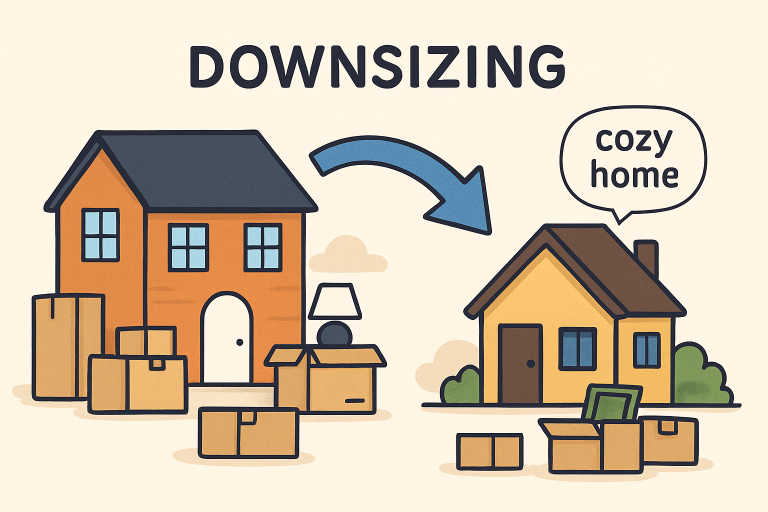
Financial Benefits of Downsizing
Financially, downsizing your home can be a game-changer. Many homeowners find that moving into a smaller, more energy-efficient property results in reduced utility bills, lower insurance premiums, and decreased property taxes. Not only does the transition free up cash that would otherwise be invested in mortgage payments and maintenance, but it also often unlocks home equity that can be redirected into retirement savings or other financial goals. This greater flexibility is particularly attractive for those planning for the future or seeking to build a more robust safety net for unexpected costs. Homeowners who downsize often report a notable decrease in day-to-day living expenses, further strengthening their financial position.
Lifestyle Improvements
Downsizing goes beyond financial perks; it can significantly improve your overall lifestyle. Living in a compact home means less time devoted to cleaning, repairs, and outdoor maintenance. With fewer household responsibilities, many people find they have more time for hobbies, travel, relationships, and personal growth. For families, it can also foster closer connections by eliminating physical space barriers. And for those choosing to relocate closer to urban conveniences, the move can open up access to walkable neighborhoods, recreation, and vibrant community amenities that enrich daily living.
Emotional Aspects of Downsizing
Letting go of a long-time family home naturally comes with mixed emotions. Sentimental ties to family heirlooms, memories created within the walls, and the idea of parting with familiar belongings can feel overwhelming. Acknowledging these emotions is essential. Focusing on the possibilities ahead, such as new adventures and simplified living, can help turn anxiety into excitement. Many homeowners find that reframing the process as a step toward a new chapter makes the transition much more manageable. Mental health experts often recommend creating rituals to say goodbye to your old home and celebrating the opportunities your new space will bring.
Strategies for Effective Downsizing
Organization and planning are key ingredients for a smooth downsizing experience. Begin by drafting a timeline and dedicating specific days or weekends to target each room. Use a simple sorting system for possessions: keep, donate, sell, recycle, or discard. Scheduling pickups with local charities or arranging garage sales in advance helps prevent last-minute clutter. If possible, involve friends or family to help with heavy lifting or to provide objective feedback on which items truly add value to your life. Keeping records of items donated and tracking moving-related expenses may also be helpful for potential tax deductions and financial planning.
Decluttering Tips
Decluttering is one of the most transformative parts of downsizing. Start small by tackling one area at a time, such as a closet or storage nook, to avoid becoming overwhelmed. Items that have not been used within the past year, duplicates, or things that no longer fit your new lifestyle are prime candidates for letting go. Create a dedicated donation area and consider reaching out to local nonprofits to learn about their current needs. Setting a daily or weekly goal can help you maintain momentum.
Choosing the Right Location
Before finalizing your move, research the neighborhoods or communities that best fit your lifestyle and practical needs. Consider proximity to family, healthcare providers, and key amenities like grocery stores and public transportation. If you are unfamiliar with a new area, renting a property for a few months can provide valuable insights before making a permanent commitment. Look into local community events and resources to ensure your new location aligns with your interests and values. Many downsizers find greater satisfaction by choosing communities that offer active social calendars and age-appropriate recreational opportunities.
Financial Planning for Downsizing
Conducting a thorough financial analysis before making the jump is crucial to a successful outcome. List all anticipated expenses, such as moving costs, real estate fees, and potential renovations in your new home. Compare these numbers against the savings from reduced mortgage payments, utility bills, and property taxes. Consulting with a financial advisor or real estate professional can help you identify hidden costs and maximize your available funds. Expert guidance can also help you navigate market trends and sell your current property at the best possible price while securing great value for your next home.
Conclusion
Downsizing is much more than reducing your physical space. It offers a pathway toward greater simplicity, reduced stress, and improved quality of life. With careful planning, honest reflection, and thoughtful strategies, you can transform the daunting task of moving into an empowering, fresh start. Embrace the process, seek out the support you need, and soon you will discover the many ways that a smaller home can make life bigger in all the right ways.