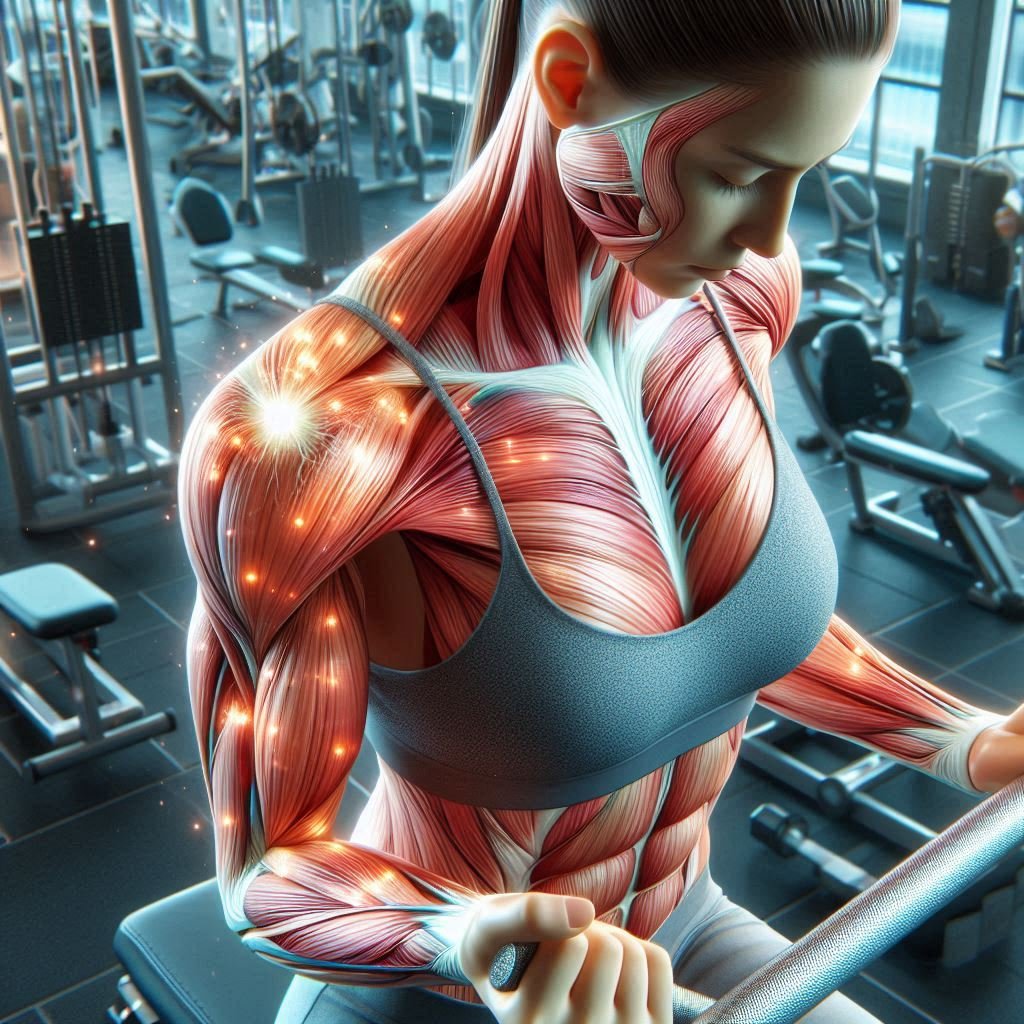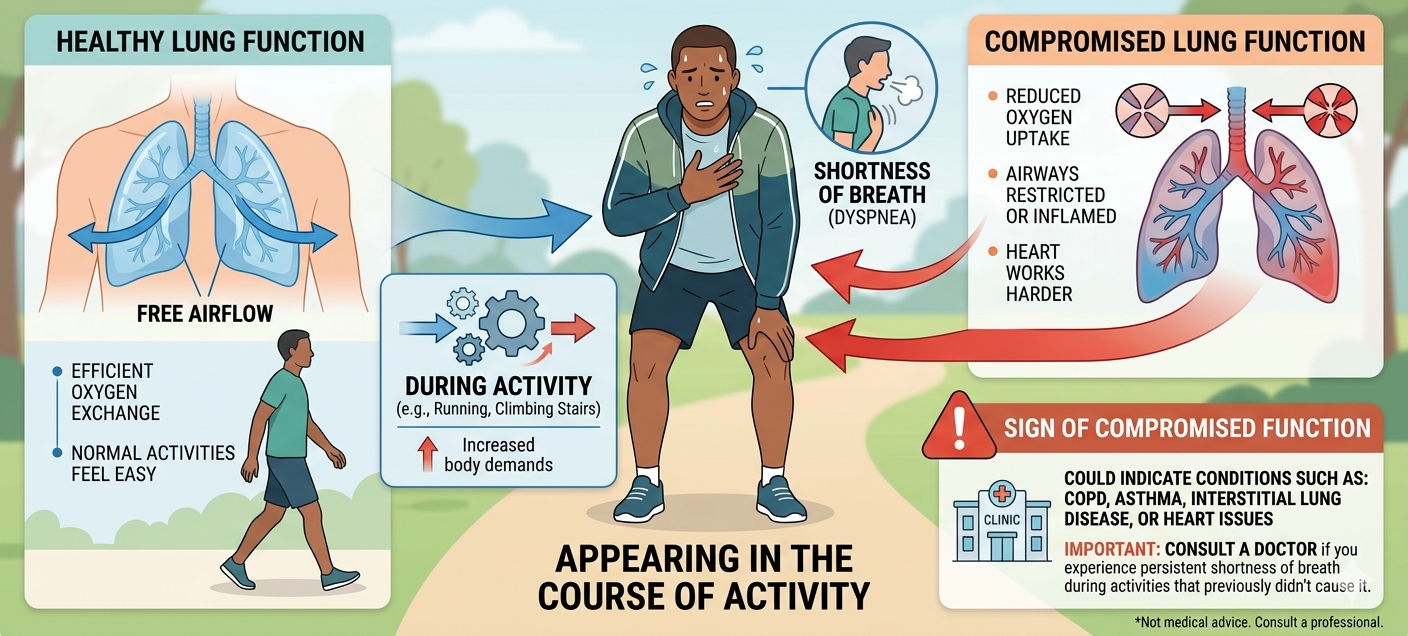
Most people do not really consider the movement of the muscles. Muscles work thousands of coordinated actions each day whether it is lifting a bag of groceries, typing on a keyboard or running through a field. There is a great biological phenomenon of muscle contraction that is behind all these movements. It is through this process that the muscles are able to produce a force, bring about movement and stabilize the body during exercise.
Whereas the concept of muscles contracting a person may not sound complicated, the working mechanisms are complex physiological interactions between the specific proteins and cells constructions. On the microscopic level, muscles are based on the relationship between the movement of protein filaments that slide against each other, which transforms chemical energy into the mechanical force. This complex procedure enables the human body to do not only tiny delicate motions but also great sports actions.
Knowledge of the mechanism of muscle contraction facilitates the gap between the biological science and normal daily use. Professionals and amateurs who are engaged in fitness, know the mechanics of muscle movement, will have a better idea of how to train, give rest and prevent injuries. With an understanding of the mechanical activity of muscles at the cellular and functional level, it is easier to gain understanding of how the body produces the strength, endurance and coordination during exercise.
Learning the Anatomy of Skeletal Muscle
To consider the process of muscle contraction, it is also useful to discuss the skeletal muscle structure first. Skeletal muscles refer to those muscles that are attached to bones and which cause voluntary movement. They consist of groups of long cells referred to as muscle fibers. The smaller units of structure found in each muscle fiber are known as myofibrils and they produce the force.
The repeating segments are called sarcomeres and they make up myofibrils. The basic constituents of muscle contraction are the sarcomeres. Each sarcomere contains two classes of protein filaments the thin filament, which consists of actin and the thick filament, which consists of myosin. It is the arrangement of these filaments that give skeletal muscle the familiar striated appearance when looked under a microscope.
These filaments are precisely organized which enables muscles to contract effectively. Upon a signal of the nervous system to the muscle, the actin and myosin filaments start interacting with one another, resulting in shortening of the muscle fibers which eventually result in movement.
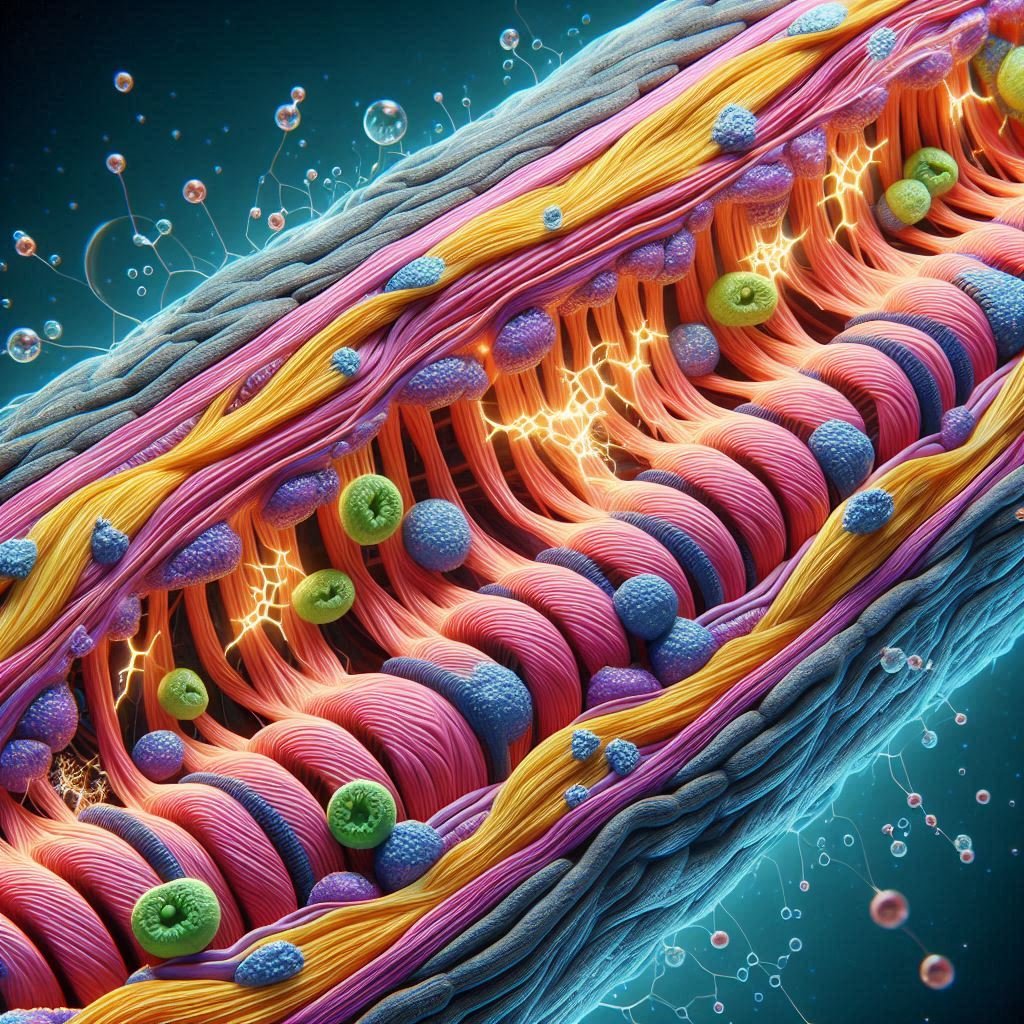
It is this structural organization that enables the body to translate microscopic interactions on a molecular scale into some of the strongest forms of physical motion like lifting, pushing or jumping.
Nervous System in Muscle Movement
The muscles do not contract automatically. On the contrary, they depend on the stimuli of the nervous system to start movement. When the brain decides to make a movement e.g. pick up a weight it sends an electrical signal via motor neurons which are directed to the muscle fibers.
Where a nerve cell connects to a muscle fiber there is a special structure known as the neuromuscular junction that enables communication between the nervous system and the muscle. Once the nerve signal reaches this junction it causes the release of a chemical messenger known as acetylcholine.
This neurotransmitter attaches to receptors on the cell membrane of the muscle cells and causes an electrical signal inside the muscle cell itself. This impulse propagates easily all through the muscle cell and initiates the corresponding internal mechanisms that cause the muscular contraction.
The nervous system is thus the control system of the movement of muscles. A number of times and the intensity of the nerve signal to be sent to the muscles can help the body to control the strength and speed of the contraction during various activities.
An explanation of the Sliding Filament Theory
The best explanation of muscle generation of force that is widely accepted is referred to as sliding filament theory. This theory holds that contraction of the muscles is caused by the sliding of actin and myosin filaments against each other inside the sarcomere.
The myosin heads bind to certain binding sites on the actin filaments when a contraction starts. These attachments create structures that are referred to as cross-bridges. The myosin heads are attached after which the actin filaments are pulled towards the middle of the sarcomere. This movement reduces the sarcomere in length and causes a tension to the muscle fiber.
Once this pulling action is done the myosin heads dissociate and reload themselves farther along the actin filament at this point they are ready to do the same. Each cycle causes the actin filaments to slide slightly toward each other, thereby making the muscle short.
It is this repeating action of actin and myosin filaments that is the fundamental process of muscle contraction. The overall effect of the contraction of thousands of sarcomeres that occur at once in a muscle fiber is muscular contraction and motion of the body.
Functions of Calcium and ATP in muscle activities
Calcium ions and ATP (adenosine triphosphate) are two important components of muscle contraction. Calcium ions control the start of contraction and ATP supplies energy needed in the filament movement.
Once a nerve signal is passed to the muscle fiber, it will result in the release of calcium ions, which will be stored in special structures inside the cell known as the sarcoplasmic reticulum. Such calcium ions attach to regulatory proteins that are linked with the actin filaments. This attachment uncovers places of myosin head attachment.
As soon as the binding sites are revealed, the cross-bridge cycle starts and the contraction occurs. The myosin heads however require ATP to release the actin and get ready to commence a new cycle. In the absence of ATP the cross-bridges would be in a locked position.
This is the reason the process of contraction and relaxation require the presence of ATP. The ATP molecules contain energy that enables the myosin heads to bind, push and dissociate actin filaments repeatedly to maintain the mechanical work of the muscles.
Muscle Contraction in the activities of daily life
Even though the microscopic mechanisms of muscle contraction are complicated, their impact can be noticed in almost all physical movements. Walking, lifting weights, running and stretching are just a few activities that require the coordinated muscular contractions.
When picking an object that is heavy, e.g., the brain sends signals which stimulates the muscle fibers in the arms, shoulders, and back. These muscles fibers also contract all at once creating the force that is required to lift the object against gravity.
“strength training, that involves muscle contraction in exercise”
There is even more complicated coordination in running. The muscles of the legs are rhythmically contracted in order to push the body forward and the muscles of the core stabilize the torso and guarantee stability. Each distance must have a specific timing of the various muscle groups in order to generate the effective movement.
Most stretching exercises also entail regulated muscle contraction. When a muscle is lengthened during a stretch, the muscles opposite to each other shorten in order to provide stability and avoid injury. It is this contraction and relaxation which enable the body to move safely and effectively.
There are 4 types of muscular contractions
Different ways in which muscles can contract can be determined by the requirement of the activity that is being undertaken. Such differences affect the production of force and the response of the muscles to various types of exercises.
When the contractions are concentric, the muscle becomes shorter in the course of force generation. This is a form of contraction that takes place with the process of a bicep curl when lifting a weight. The shortening of the muscle fibers occurs because of drawing the forearm upwards.
Eccentric contractions are contractions that take place when the muscle is lengthening, yet it is generating force. This occurs when the weight is lowered gradually. The muscles are elongating, but still oppose the force of gravity.
Isometric contractions are made when the muscle produces force without the increase of the length. Sustaining a plank pose in an exercise is one such form of muscle contraction.
Knowledge of these various types of contraction assists athletes and trainers to develop exercise programs that enhance strength, endurance and flexibility.
The reason why it is important to use proper training techniques
Since muscles are dependent on an interrelated biological mechanism to produce force, appropriate training methods are necessary in order to achieve maximum performance and avoid injury. Effective workouts can be achieved by engaging in efficient exercise practices that promote safe and efficient contraction of muscles during the workouts.
Warm-up exercises are used to warm up the muscles before they are put into action by enhancing how flexible they are. This is a kind of preparation which helps muscle fibers to contract more effectively and eliminates the chance of strains or tears.
Correct methodology when undergoing strength training will see to it that the force is spread evenly across the muscle groups. Poor form of exercises means that some muscles will be overworked and some are under processed. In the long run, this imbalance can cause damage or lead to permanent pain.
Taking a rest and relaxation are also crucial in healthy muscle functioning. Microscopic injury takes place in muscle fibers in the process of intense exercise. The recovery periods enable the body to rebuild these fibers and this makes them stronger and able to endure stress in the future.
The Significance of Nutrition to Muscle Performance
The role of nutrition in the facilitation of the contraction of the muscles is great. Muscles need a constant supply of nutrients to ensure the production of energy, the healing of tissue, and physical activity.
Protein is very significant, as it supplies amino acids to repair and reconstruct muscle fibers. Carbohydrates are a significant source of energy in exercising and this helps the body generate ATP needed in contraction.
Water dehydration is also necessary since water assists in electrolyte balance, which is required to support the nerve and muscle stimulation. Even mild dehydration is capable of influencing muscle performance and predisposing to cramps or fatigue.
The right combination of protein, carbohydrates, healthy fats, vitamins and minerals in a balanced diet contributes to the best functioning and recovery of muscles after exercise.
Conclusion
Muscle contraction represents one of the most outstanding biological processes in a human body. By the integrated interplay of actin and myosin filaments, the muscles can transform chemical energy into mechanical force. It is the microscopic activity that enables human beings to accomplish an enormous variety of motions, including not only the finer motions like writing but also the strong motions like sprinting or lifting weights.
The cellular study of muscle functioning can give informative data on the interaction of muscles during exercises and the prevention of injuries. People ought to be able to appreciate the complexity of the everyday movements by identifying the functions of the nervous system, calcium signalling, ATP energy generation, and protein filament interactions.
Relating the science of muscle contraction with real world activities like strength training, running and stretching can enable athlete, students and other people interested in fitness to make wise decisions regarding their training programs. Correct workout routines, proper dieting, and rest plays a role in ensuring that the muscles are always performing optimally and that they are healthy.
Finally, the observation of muscle contraction shows the complexity of the human body to be mobile. Each step, lift and stretch is dependent on the specific coordination of biological processes that enable muscles to produce force and sustain the movement activities of our daily life.