Introduction
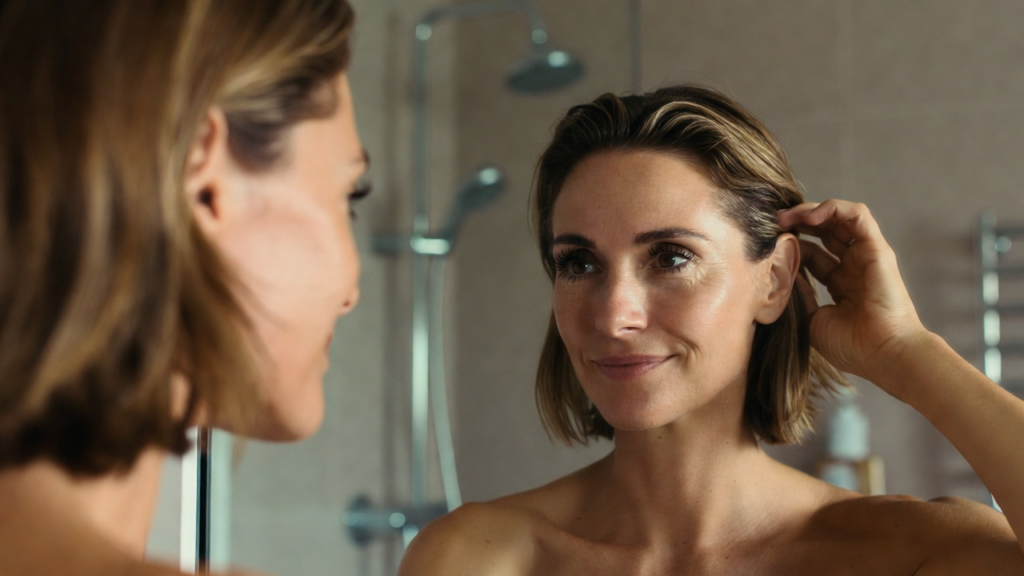
Many women notice changes in their hair or eyelashes at different stages of life. Thinning, slower growth, or increased shedding can feel sudden and confusing, especially when daily habits haven’t changed much. In Australia, factors such as stress, UV exposure, diet, and natural hormonal shifts can all influence how hair and lashes grow over time.
Rather than chasing quick fixes, it is more helpful to understand how the growth cycle works and what truly supports it. Before choosing any product or routine, knowing what is happening at the follicle level and what external care can and cannot do helps set realistic expectations and better decisions.
The Biology of Hair and Eyelash Growth
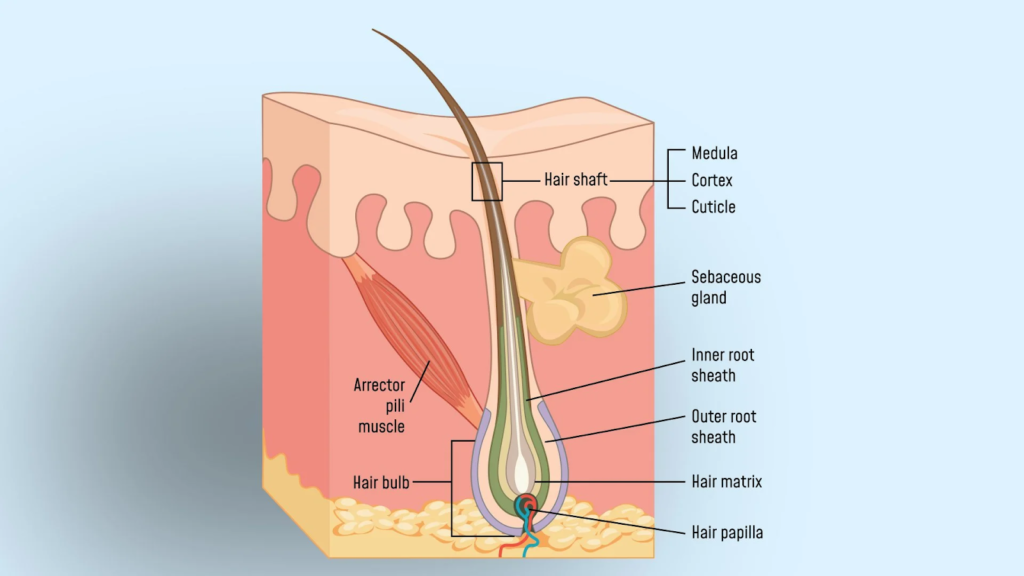
Cross section illustration showing hair follicle growth phases
Hair on the scalp and eyelashes both grow from follicles, but their cycles differ. Scalp hair remains in the growth (anagen) phase for years, while eyelashes stay in that phase for only a few weeks before transitioning to rest and shedding. This shorter cycle explains why lashes never reach the same length as scalp hair.
Each follicle operates independently, which means shedding is a normal and continuous process. Losing 50–100 scalp hairs per day is considered typical. Eyelashes also shed naturally, often without being noticed.
Growth is influenced by:
- Genetics
- Hormonal balance
- Nutrient availability
- Inflammation or irritation
- Mechanical damage
Because follicles are living structures, their performance depends heavily on overall health and local skin conditions.
Common Reasons Women Experience Thinning
Hair thinning in women is typically influenced by hormonal shifts, nutritional status, stress levels, and external stressors.
Hormonal Fluctuations
Pregnancy, postpartum recovery, perimenopause, and thyroid disorders can shift hair from the growth phase into the shedding phase more quickly. This condition, often referred to as telogen effluvium, usually resolves once hormonal balance stabilises.
Nutritional Gaps
Iron deficiency is relatively common among Australian women. Low iron or inadequate protein intake can slow growth because keratin production requires sufficient building blocks.
Stress and Illness
Physical or emotional stress can temporarily disrupt the hair cycle. After major stressors, shedding may increase several months later.
Overstyling and Extensions
Frequent lash extensions, tight hairstyles, or harsh chemical treatments can cause traction or breakage. In these cases, the issue is often fibre damage rather than reduced follicle activity.
Understanding the cause determines whether the focus should be medical assessment, nutritional support, or topical care.
Woman examining scalp area for signs of thinning
How Can Women Choose Hair and Lash Growth Solutions Wisely?
Understanding the common reasons behind thinning hair and lashes is the first step toward choosing solutions that actually work. Factors such as hormonal changes, stress, nutrition, environmental exposure, and daily styling habits all affect the growth cycle differently. By identifying what is influencing hair and lash health at the root level, women can better evaluate products and routines based on real needs rather than marketing claims.
Supporting Eyelash Health Safely
Eyelashes are delicate and easily damaged by rubbing, waterproof mascara removal, or repeated extensions. Gentle cleansing and avoiding excessive friction can make a measurable difference.
Some women choose to incorporate a conditioning product such as an eyelash growth serum vegan formula into their routine. These products typically contain peptides, botanical extracts, or amino acids designed to support lash strength and minimise breakage. While they do not permanently alter genetics, they may help lashes remain in their growth phase longer or appear fuller over time when used consistently.
When selecting a lash serum, consider:
- Ophthalmologist testing
- Ingredient transparency
- Absence of known irritants
- Patch testing before full use
Brands such as Hair Folli offer plant-based options within this category, though individual tolerance and results can vary.
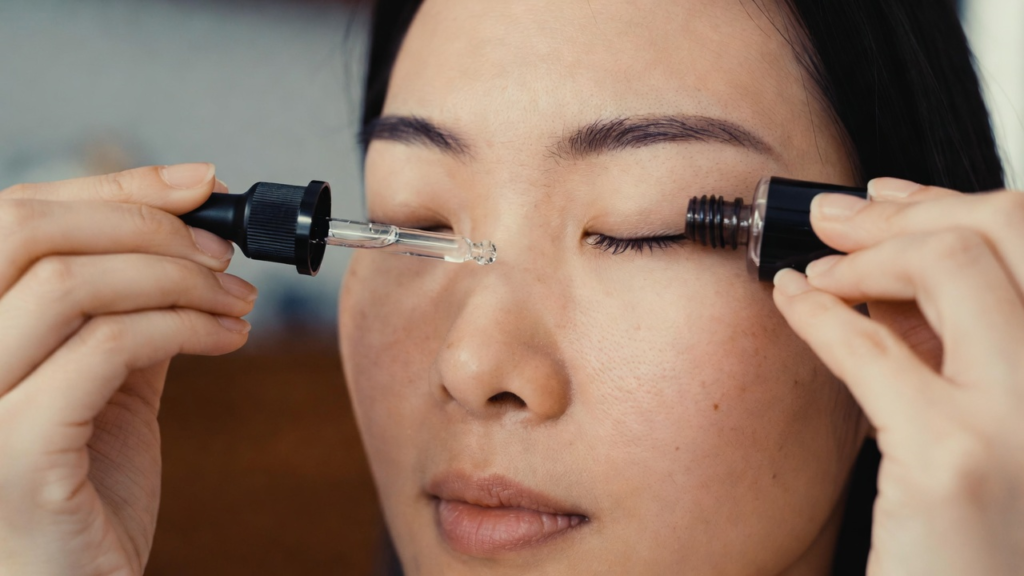
Close up of woman carefully applying lash serum
Scalp Care and Follicle Environment
Healthy scalp conditions are essential for sustained hair growth. Buildup from styling products, excess oil, or environmental pollutants can create irritation that affects follicle performance.
A balanced routine may include:
- Regular cleansing appropriate to scalp oil levels
- Conditioning the hair shaft to reduce breakage
- Gentle scalp massage to encourage circulation
- Minimising high-heat styling
It is important to remember that conditioners and topical products primarily protect existing hair. They cannot override genetic growth limits, but they can reduce breakage so length retention improves.
For women exploring broader routines, researching the best hair growth products for women can provide insight into ingredient types and formulation differences. Comparing labels and understanding the role of ingredients such as caffeine, biotin, or rosemary extract allows more informed decisions.
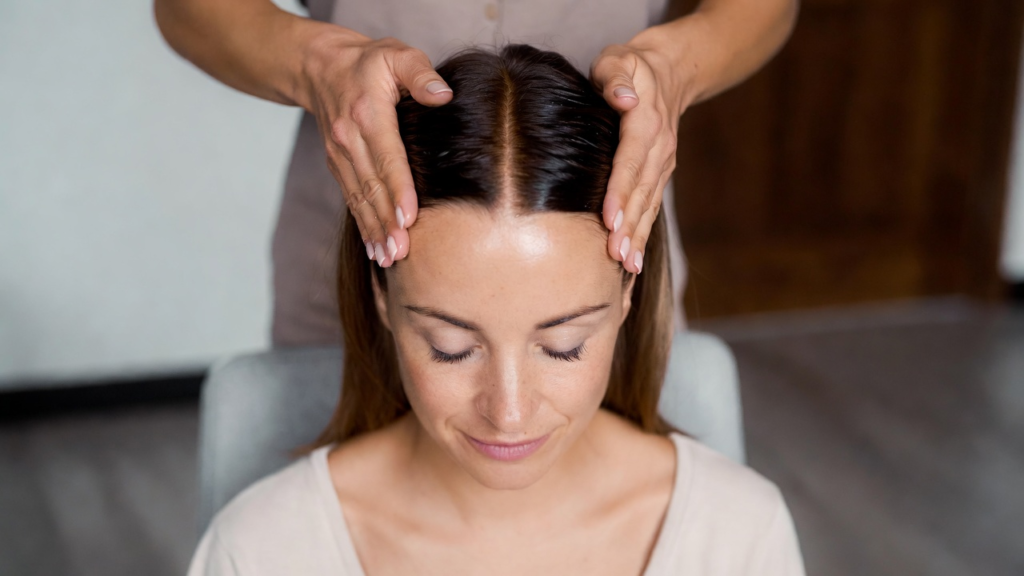
Woman massaging scalp gently to support follicle health
Internal Health and Long-Term Results
External care works best when internal health is addressed. Hair is not essential for survival, so the body prioritises other organs if nutrients are limited.
Women concerned about ongoing thinning should consider:
- Checking iron and vitamin D levels
- Evaluating protein intake
- Discussing hormonal changes with a GP
- Managing stress through sustainable routines
In many cases, correcting an underlying deficiency leads to gradual improvement within three to six months. Dramatic overnight results are unlikely because growth cycles take time to reset.
Realistic Expectations for Regrowth
It is common to expect visible changes within weeks, but biological timelines do not work that way. On average:
- Scalp hair grows around 1–1.5 cm per month
- Eyelashes grow for several weeks before shedding
- Noticeable density changes may take 8–12 weeks
Consistency is more important than intensity. Using multiple new products at once can irritate the scalp or eye area and slow progress rather than accelerate it.
Documenting progress with monthly photos can provide a more accurate perspective than daily mirror checks.
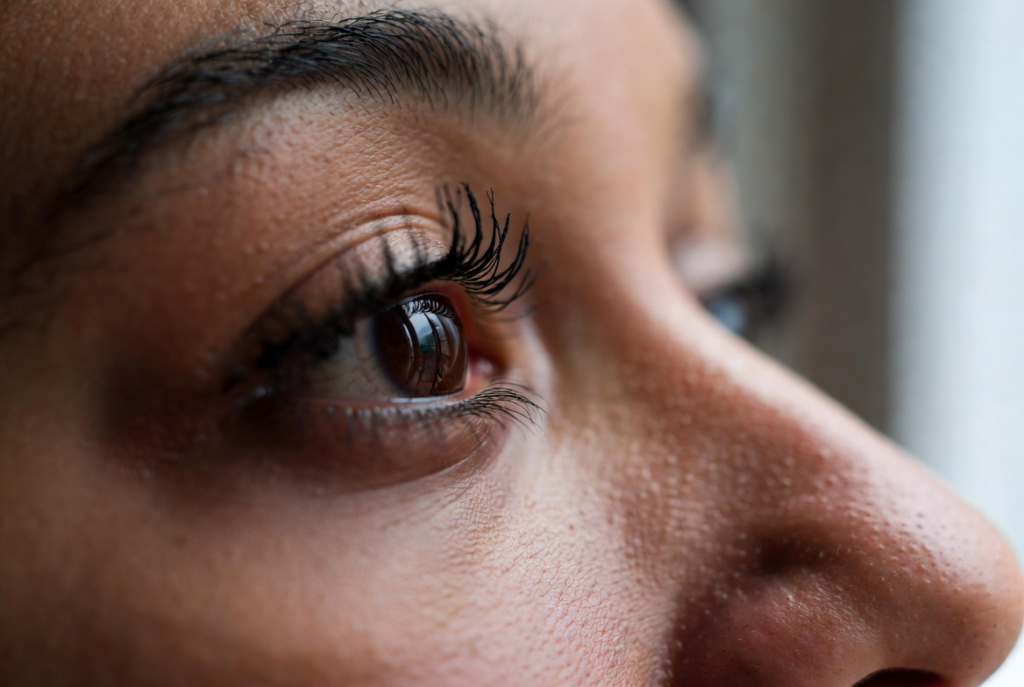
Visual timeline explaining realistic hair and eyelash growth progress
When to Seek Professional Advice
If hair loss is sudden, patchy, or accompanied by other symptoms such as fatigue or scalp pain, medical review is essential. Conditions such as alopecia areata, thyroid disorders, or autoimmune diseases require professional management.
A dermatologist or GP can assess whether the issue is temporary shedding, pattern thinning, or an inflammatory condition. Early intervention often leads to better outcomes.
Conclusion
Hair and eyelash growth in women is influenced by biology, overall health, and everyday habits. While topical products can help strengthen hair and reduce breakage, long-term results depend on supporting the growth cycle from within, maintaining scalp and lash health, and setting realistic expectations. By understanding how hair and lash growth works and choosing solutions based on evidence rather than quick promises, women can make wiser decisions that support gradual, lasting improvement.