Living in Australia means living with some of the strongest UV levels in the world. The sunlight often feels harsher and brighter, especially in summer, but what many people don’t realise is that even on cooler or cloudy days, UV radiation can still be high.
Most of us are quite good at remembering sunscreen before heading outside. But eye protection? That’s something many people forget.
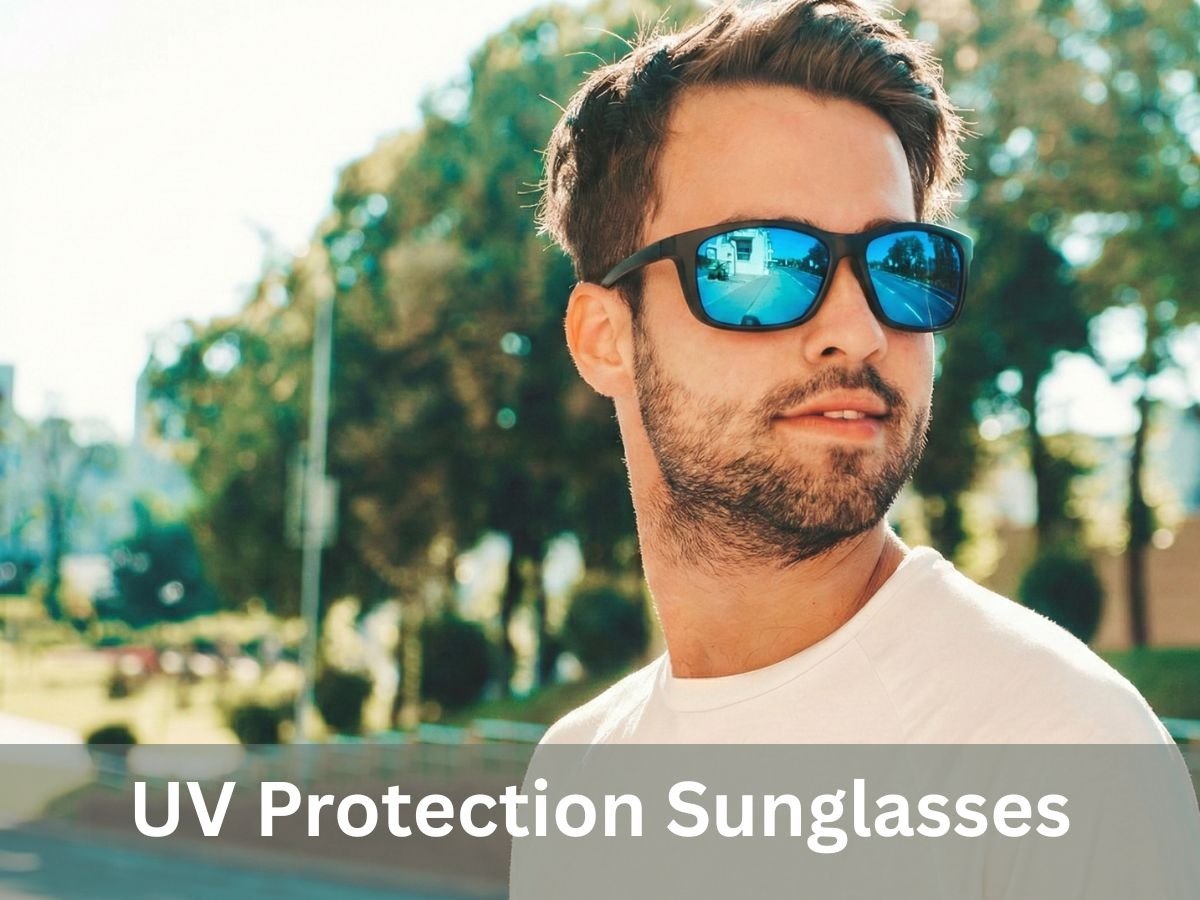
Wearing UV protection sunglasses is one of the easiest and most effective ways to protect your eyes from long-term damage caused by intense sunlight. It’s a small daily habit, but over time, it can make a big difference in keeping your vision healthy and comfortable.
Below, we break down exactly how UV light protection sunglasses work and why protective eyewear is essential in Australian conditions.
Why Is UV Radiation Stronger in Australia?
Australia experiences consistently high UV index levels due to its geographic location and seasonal ozone thinning. This means harmful UVA and UVB rays reach the ground at higher intensities.
Even when it’s cloudy, up to 80% of UV radiation can still penetrate through. Outdoor activities such as driving, beach trips, sports, and even walking during peak hours expose your eyes to cumulative UV exposure.
Without proper UV protection sunglasses, this daily exposure increases the risk of serious eye damage over time.
What Types of Eye Damage Can UV Exposure Cause?
Many forms of eye damage develop gradually, which is why they often go unnoticed in the early stages. Repeated exposure without UV light protection sunglasses can affect multiple parts of the eye.
Some common UV-related conditions include:
Photokeratitis (Sunburn of the Eye)
Yes, your eyes can get sunburnt. After long hours in bright sun, especially near water or sand, you might experience redness, pain, watering, or sensitivity to light. This is temporary but uncomfortable.
Cataracts
Long-term UV exposure increases the risk of cataracts. This condition causes the lens of the eye to become cloudy, affecting vision clarity and sometimes requiring surgery.
Macular Degeneration
Cumulative UV damage may contribute to age-related macular degeneration, which impacts central vision.
Pterygium (“Surfer’s Eye”)
Common in sunny coastal areas, this is a growth on the white part of the eye caused by prolonged exposure to sunlight and wind.
All of these conditions fall under preventable eye damage, and consistent use of UV light-protected sunglasses significantly reduces the risk.
How Do UV Protection Sunglasses Actually Work?
Not all sunglasses offer real protection. The darkness of the lens does not guarantee UV filtering.
Certified UV protection sunglasses are designed to block 100% of UVA and UVB rays, often labelled as UV400. This means they block wavelengths up to 400 nanometres, covering the full UV spectrum.
Without proper UV filtering, dark lenses can make things worse. When lenses are tinted but lack UV protection, pupils dilate, allowing more harmful radiation into the eyes, increasing the chance of eye damage.
High-quality uv light protection sunglasses use specialised coatings or lens materials, such as polycarbonate, that absorb or reflect ultraviolet rays before they reach sensitive eye tissues.
Why Is Protective Eyewear Important Beyond Summer?
Many people assume sunglasses are only necessary during hot summer days. However, UV radiation remains present year-round in Australia.
Cloud cover does not eliminate UV exposure. Reflective surfaces such as water, concrete, and sand can intensify exposure by bouncing rays back toward your eyes.
Wearing UV protection sunglasses consistently, not just seasonally, ensures ongoing defence against cumulative eye damage.
Are Polarised Lenses the Same as UV Protection?
Polarised lenses are great for cutting down harsh glare, especially from surfaces like water, roads, or even car bonnets on a bright day. They make everything look clearer and more comfortable, particularly when you’re driving or spending time outdoors.
But here’s what many people don’t realise: polarisation doesn’t automatically mean UV protection. They’re two different features. Polarisation helps with glare, while UV protection shields your eyes from harmful ultraviolet rays.
The best option is to choose sunglasses that offer both. Good-quality UV light protection sunglasses usually combine certified UV blocking with polarised lenses, so you get clearer vision and proper protection at the same time.
Why Is Daily Use of UV Protection Sunglasses So Important?
Eye damage from UV radiation doesn’t usually happen overnight; it builds up slowly over time. A little bit of sun exposure each day might not cause pain or noticeable symptoms, but year after year, those small exposures add up.
Think about your daily routine. Your eyes are exposed more often than you realise:
- Driving during peak sunlight
- Going for a morning walk or outdoor workout
- Playing weekend sports
- Spending time at the beach
- Gardening or working outdoors
Each of these moments may seem harmless on its own. But without proper protective eyewear, they all contribute to long-term UV exposure. Just like skin, your eyes need consistent protection, not just on extremely sunny days, but as part of your everyday routine.
Wearing UV protection sunglasses daily significantly reduces lifetime UV accumulation and helps preserve vision quality.
Are Children More Vulnerable to UV Eye Damage?
Yes, children’s eyes are more sensitive to UV radiation because their lenses allow more UV light to reach the retina. Encouraging children to wear UV light protection sunglasses early in life builds protective habits and reduces the risk of early eye damage.
Protective eyewear for children should fit securely and meet the same UV-blocking standards as adult sunglasses.
What Should You Look for When Buying UV Protection Sunglasses?
When selecting sunglasses in Australia, prioritise protection over style alone.
Look for:
- A label stating 100% UV protection or UV400
- Compliance with Australian standards
- Larger or wraparound frames to limit side exposure
- Durable lens materials like polycarbonate
The key factor is UV blocking capability, not lens colour or price.
Conclusion: Is Wearing UV Protection Sunglasses Really Worth It?
Absolutely. In a country known for strong, relentless sunlight, protecting your eyes is just as important as protecting your skin. We’re used to applying sunscreen before stepping outside, but our eyes need that same level of care.
Good-quality UV protection sunglasses do much more than reduce brightness. They cut glare, make it easier to see comfortably, and most importantly, help lower the risk of preventable eye damage caused by long-term sun exposure.
High-quality UV light protection sunglasses aren’t just a fashion accessory. They’re protective eyewear designed to shield your eyes from the cumulative effects of harsh UV levels, especially in places like Australia, where the sun can be particularly intense.
Making a habit of wearing them every day, whether you’re driving, walking, at the beach, or simply running errands, is a small, simple step. But over time, that small habit can make a meaningful difference in maintaining healthy vision for years to come.