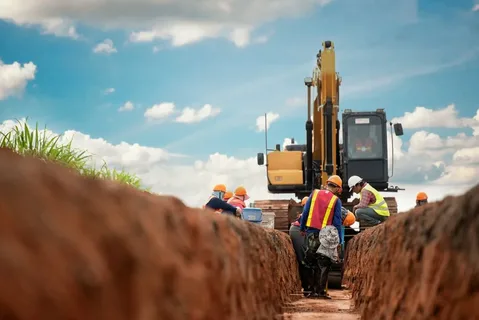
Outdoor recreation areas continue to grow in importance as communities look for spaces that support health, connection, and nature-based experiences. Whether it is a coastal walkway, a sporting field, an adventure playground, or a restored bushland trail, every outdoor space begins long before the first path is drawn or the first structure is built. The first step happens beneath the ground through commercial excavation.
Although excavation is often seen as simply moving soil, it has a much deeper role in creating safe, stable, and enjoyable outdoor environments. It shapes the terrain, manages water flow, protects natural features, and prepares land to support decades of recreational use. Modern excavation is now guided by environmental care, technical planning, and a long-term understanding of how people interact with outdoor landscapes.
Land is not just a surface to build on. It is a living system. Commercial excavation influences how that system behaves, recovers, and adapts to new forms of recreation.
Preparing Land for Recreation and Community Use
Before any outdoor recreation space begins to take shape, the land must be assessed and prepared. This includes understanding soil structure, erosion risks, groundwater patterns, and the natural contours of the landscape.
Excavation teams first evaluate the site’s stability. Poor ground conditions can lead to uneven playing surfaces, waterlogged paths, and structural failures in community facilities. By grading terrain and improving soil structure, excavation ensures that recreational areas remain safe and durable.
For sports fields, precise excavation levels the ground and creates a stable base for turf or synthetic surfaces. For parks and play areas, excavation shapes the space to support equipment, seating, garden beds, and natural features. For outdoor event spaces, excavation ensures the land can handle foot traffic, drainage needs, and structural loads.
Land preparation is not just about construction. It is about ensuring outdoor spaces remain usable, accessible, and resilient through all seasons.
Managing Water to Protect Outdoor Areas
Water is one of the most powerful forces shaping outdoor recreation sites. Flooding, erosion, and poor drainage can damage paths, weaken sports fields, and disrupt natural habitats.
Commercial excavation plays a central role in managing water effectively. Teams study how water moves across the land and how rainfall will affect the final design. Through careful grading, trenching, and soil placement, they create systems that direct water safely through or around recreation areas.
Paths and tracks require excavation that prevents pooling and slippery surfaces. Playgrounds need drainage systems that protect fall zones and equipment. Wetlands and riparian zones require excavation strategies that support natural filtration and slow water movement.
Good drainage protects both users and the landscape. It ensures that outdoor recreation areas remain open, safe, and sustainable even through unpredictable weather.
Building the Foundation for Outdoor Structures
Most outdoor recreation spaces include structures such as shelters, viewing decks, picnic facilities, playground equipment, and coastal boardwalks. Each of these relies on a strong and stable foundation created through excavation.
This stage involves creating a safe footing for posts, slabs, retaining walls, and accessible pathways. Careful excavation prevents settlement issues, surface cracking, and instability that could become safety hazards.
For trails and bike paths, excavation creates smooth gradients that meet accessibility standards. For climbing areas and adventure parks, excavation shapes landforms that allow equipment to integrate naturally into the terrain.
The work done beneath the surface becomes the backbone of every outdoor facility. Even the most beautiful structure depends on precise excavation that supports both function and longevity.
Protecting Natural Features and Ecological Health
Outdoor recreation is most successful when it works with nature rather than against it. This is why modern excavation practices place a strong focus on environmental care.
Before work begins, ecological assessments help identify trees, habitats, and natural features that must be protected. Excavation teams adjust plans to preserve root systems, protect wildlife corridors, and minimise soil disturbance.
Erosion control measures such as silt fences, stabilised soil, and temporary barriers help keep surrounding bushland and waterways healthy during construction.
When creating new trails, excavation can be used to avoid sensitive zones, reinforce banks, and protect vegetation. In coastal projects, excavation helps shape dunes, restore natural contours, and support long-term shoreline sustainability.
The goal is to enhance outdoor spaces without harming the ecosystems that make them valuable.
Supporting Sustainable Design in Outdoor Projects
Sustainable outdoor recreation requires planning that looks beyond the immediate build. Commercial excavation supports this by creating efficient layouts, minimising waste, and contributing to long-lasting environmental performance.
Responsible excavation reduces unnecessary soil removal and reuses clean material on site for berms, landscaped areas, and ground support. This reduces transport emissions and helps maintain the natural balance of soil.
Modern equipment also enables more precise work, reducing ground disturbance and helping projects meet environmental goals.
Excavation that respects natural landforms supports green design principles such as reduced hardscaping, better stormwater infiltration, and increased biodiversity. These outcomes create outdoor spaces that look natural and feel connected to the land.
Creating Accessible and Inclusive Outdoor Spaces
Outdoor recreation areas are increasingly designed to be accessible for people of all ages and abilities. Excavation is essential in shaping pathways, gradients, entry points, and seating areas that support universal access.
Smooth, well-planned grading allows wheelchair users, strollers, and older visitors to navigate spaces comfortably. Safe slopes, stable surfaces, and strategic transitions are all made possible through accurate excavation.
The goal is to create outdoor spaces that everyone can enjoy without barriers. Excavation ensures that inclusivity begins at the ground level and continues throughout the entire design.
Building Stronger Community Connections
Outdoor recreation areas bring communities together. They provide places to walk, exercise, play, gather, and connect with the natural world. Commercial excavation helps make these spaces possible by shaping the land into functional and welcoming environments.
Whether it is a new playing field for a local club, a network of walking trails, or a revitalised waterfront, excavation prepares the landscape for experiences that build community spirit.
Each project becomes more than construction. It becomes an investment in the health, identity, and quality of life for the people who use the space.
Responsible Industry Practice
Commercial excavation continues to evolve, driven by higher environmental expectations and advances in technology. Many experienced contractors apply careful planning and responsible methods to support long-term outdoor use.
Get It Away is one such company that operates under these principles, contributing to the creation of safe, sustainable outdoor spaces through thoughtful excavation practices.
Final Reflection
Outdoor recreation areas begin with what happens beneath the surface. Commercial excavation shapes the land, manages water, protects natural systems, and prepares the ground for lasting community use.
By focusing on careful planning and environmental awareness, excavation helps create outdoor spaces that are stable, accessible, and sustainable. These places become essential parts of neighbourhood life, offering opportunities for play, rest, exploration, and connection.