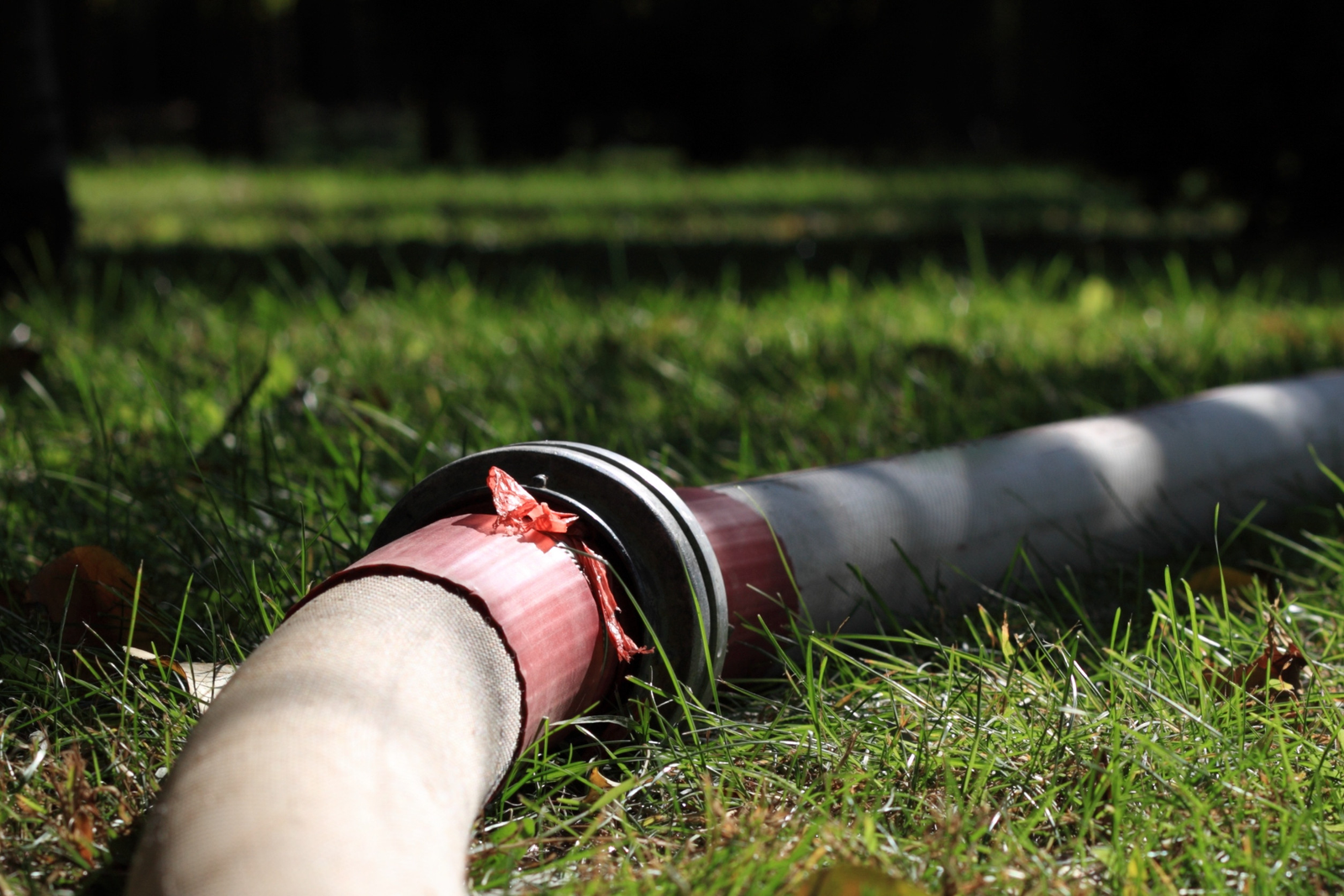
Energy efficiency has become a key performance indicator in modern pumping systems across industrial, municipal, and agricultural applications. While pump selection and control strategies often receive primary attention, the influence of discharge hoses on overall energy consumption is frequently underestimated. Hose design parameters such as inner surface smoothness, wall thickness, and geometric stability have a measurable impact on flow behavior, pressure losses, and ultimately the power demand of pumping equipment.
Discharge hoses are not passive components. Their hydraulic characteristics directly affect how efficiently energy is transferred from the pump to the conveyed medium.
Inner Surface Smoothness and Flow Resistance
Reducing Friction Losses Inside the Hose
The inner surface condition of a discharge hose plays a decisive role in determining friction losses. Rough or irregular inner linings increase turbulence, leading to higher pressure drop along the hose length. As a result, pumps must operate at higher output levels to maintain the required flow rate.
Modern hose designs increasingly rely on optimized inner linings made from advanced elastomer or thermoplastic compounds. These materials allow for smoother surfaces that reduce flow resistance. Even incremental improvements in inner smoothness can translate into noticeable energy savings, particularly in systems with long hose runs or continuous operation.
Impact on Pump Efficiency
Lower friction losses reduce the total dynamic head that a pump must overcome. This improves operating efficiency and can extend pump service life by reducing mechanical load. In high-duty-cycle applications, the cumulative energy savings become especially relevant.
Wall Thickness and Structural Balance
Optimizing Strength Without Excess Material
Wall thickness is often associated solely with pressure resistance and durability. However, excessive wall thickness can reduce internal diameter and negatively affect flow capacity. A smaller effective cross-section increases fluid velocity, which in turn raises friction losses and energy demand.
Optimized discharge hose design seeks a balance between mechanical strength and hydraulic efficiency. By using high-performance reinforcement layers, manufacturers can achieve required pressure ratings without unnecessarily increasing wall thickness.
Producers such as PARSCH, which manufactures firefighting hoses, industrial hoses, irrigation hoses, and many other hose types, apply this principle across different product categories. Their development approach illustrates how structural optimization supports both durability and energy-efficient flow characteristics.
Hose Geometry and Dimensional Stability
Maintaining Cross-Section Under Pressure
Hose geometry is another critical factor in flow optimization. Under internal pressure, poorly designed hoses may expand radially or elongate, altering their internal diameter. These dimensional changes disturb flow conditions and increase energy losses.
Discharge hoses with controlled expansion behavior maintain a stable internal geometry even under fluctuating pressure. This stability supports predictable flow performance and helps avoid unnecessary energy consumption.
Bend Radius and Installation Effects
Improper routing and tight bends introduce additional pressure losses. Hose designs that offer flexibility while maintaining a defined minimum bend radius support efficient installation and consistent flow behavior. Geometry stability under bending is therefore an important design criterion for energy-efficient systems.
System-Level Energy Considerations
Energy efficiency should be evaluated at system level rather than component level alone. When discharge hoses are matched precisely to pump capacity, operating pressure, and conveyed medium, the entire system benefits from reduced losses and improved performance.
In practical applications, optimized hose selection can allow pumps to operate closer to their best efficiency point. This reduces electrical energy consumption and lowers operating costs over time.
Supporting Efficient Pumping Solutions
Advances in discharge hose design demonstrate that energy efficiency is influenced by more than pump technology alone. Inner smoothness, wall thickness optimization, and geometric stability collectively determine how effectively fluid is transported. Manufacturers such as PARSCH continue to integrate these design principles into hose development, supporting more efficient pumping systems across firefighting, industrial, and irrigation applications. As energy efficiency remains a strategic priority, discharge hoses are increasingly recognized as active contributors to optimized fluid handling performance.
Image – 123rf.com – lusea