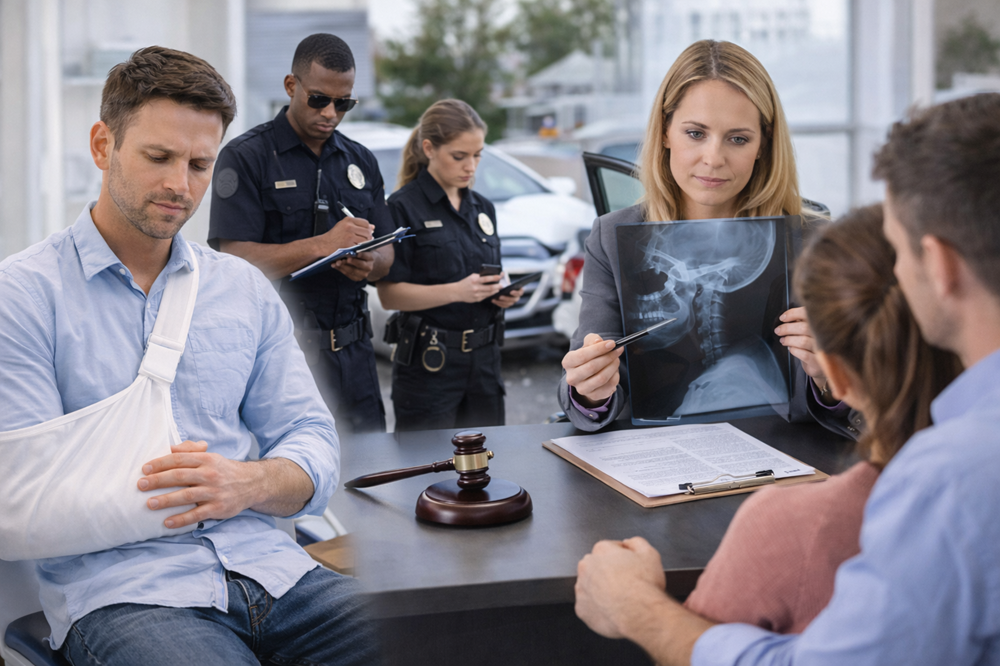
When you suffer an injury in Georgia, the truth of what happened rests on your evidence. Insurance companies and defense lawyers do not respond to pain. They respond to proof. You may feel overwhelmed, angry, or numb. That is normal. You still need to protect your claim. The law in Georgia rewards people who gather clear, reliable evidence early. It punishes delay and missing details. This blog explains what proof matters most. You will see why photos, medical records, witness statements, and your own notes can change the outcome. You will also see how simple mistakes can damage your case. Every choice you make after an injury either strengthens or weakens your position. Ponton Law uses this type of evidence every day in Georgia personal injury claims. You can use the same approach to guard your rights and push for fair compensation.
Why evidence matters so much in Georgia
Georgia uses a rule called modified comparative negligence. That means a court can cut your money if it decides you share part of the blame. If you are 50 percent or more at fault, you recover nothing. Your evidence fights against blame that does not belong to you. It also proves your losses.
Strong evidence helps you:
- Show who caused the crash or fall
- Prove how hard you were hit and how you were hurt
- Connect your medical treatment to the incident
- Show your pain, fear, and limits in daily life
Weak evidence leaves room for doubt. Doubt gives the insurance company an excuse to say no or to offer less.
Key types of evidence in a Georgia personal injury claim
You do not need every piece of evidence on this list. You do need the strongest proof you can gather. Focus on three main groups.
1. Evidence from the scene
First, you need proof of what happened and how it happened. At the scene, you can gather:
- Photos and video. Take clear pictures of vehicles, skid marks, broken glass, bruises, cuts, torn clothes, and weather or lighting.
- Names and contact information. Write down names, phone numbers, and email addresses for drivers, property owners, and witnesses.
- Police report number. In motor vehicle crashes, ask for the report number and later get a copy. In Georgia, crash reports help show fault and details. You can learn more about crash reporting through the National Highway Traffic Safety Administration.
- Incident reports. In stores or public places, ask for a written incident report and a copy if possible.
Next, try to record what people say. If someone admits fault, write down their exact words. Also record any signs you see, such as wet floor signs or traffic signs.
2. Medical and treatment records
Your body tells the story of your injury. Medical records put that story into writing. They connect the incident to your pain and limits.
Important medical evidence includes:
- Emergency room and urgent care records
- Primary care and specialist notes
- Physical therapy and rehab records
- Imaging reports, such as X rays, CT scans, and MRIs
- Prescription lists and pharmacy records
- Surgery reports and discharge summaries
Always tell your doctors how you got hurt. Use plain words. If you hurt before the crash, say so and explain how the new pain is different. Clear, honest reports protect your claim. The MedlinePlus injury recovery guide from the National Library of Medicine explains why early and steady care matters for your health and your records.
3. Proof of money losses and life changes
Georgia law allows you to seek money for both financial losses and human losses. You need proof of both.
For money losses, gather:
- Pay stubs and direct deposit records
- Employer letters that confirm missed work and lost hours
- Medical bills and receipts
- Receipts for medical equipment and home help
- Travel costs for treatment
For life changes, keep:
- A daily pain and activity journal
- Photos or video that show limits in walking, lifting, or caring for children
- Notes from teachers or caregivers if a child is affected
- Written statements from family members who see your struggles
Comparison table: strong evidence vs weak evidence
| Type of proof | Strong evidence | Weak or missing evidence | Likely effect on your claim |
|---|---|---|---|
| Scene details | Many clear photos and video taken the same day | No photos or only a few blurry images | Harder for the insurer to deny what happened |
| Witness support | Names and contact information for witnesses | No witness names recorded | With no witnesses, the insurer may attack your story |
| Medical care | ER visit the same day and steady follow up | Long delay before first visit or many missed visits | Insurer may claim you were not hurt or healed fast |
| Lost wages | Employer letter and pay records that match | Only your word about missed work | Insurer may cut or deny wage loss |
| Pain and limits | Daily journal and family statements | No written record of your struggles | Harder to prove non economic losses |
Common evidence mistakes in Georgia claims
People often make the same painful mistakes after an injury. You can avoid them.
- Leaving the scene too fast without photos or names
- Talking about fault in the heat of the moment
- Posting about the crash or your body on social media
- Skipping medical visits or stopping treatment early
- Throwing away bills, receipts, or damaged items
Also, never give a recorded statement to an insurance company before you understand your rights. Simple slip ups in wording can haunt your claim.
How to protect your Georgia claim from day one
You do not control the crash or fall. You do control what you do next. Try to follow this simple order.
- Get to a safe place and call 911 if needed.
- Ask for police or a report when there are injuries or damage.
- Take photos and video from many angles.
- Collect names, phone numbers, and insurance information.
- Seek medical care as soon as you can.
- Tell your doctors the truth about all pain and limits.
- Start a folder for all records and a simple daily journal.
Each step turns fear into proof. Each record gives you a stronger voice when you face the insurance company or a courtroom.
When to ask for legal help
Some cases are simple. Many are not. Crashes with many vehicles, serious injuries, or questions about fault can grow tense and confusing. Evidence can disappear. Cameras record over old video. Witnesses move. Memories fade.
If you feel pressure from an insurance adjuster or feel unsure about your rights, you can ask a Georgia personal injury lawyer for help. A lawyer can track down records, protect you in statements, and push for fair treatment under Georgia law.
Your pain is real. Your story matters. Careful evidence gives that story strength. You do not have to face this process alone, and you do not have to give up your voice.
Contact An Attorney in Atlanta Georgia
Ponton Law
7000 Peachtree Dunwoody Road Building 1, Suite 201
Atlanta, GA 30328