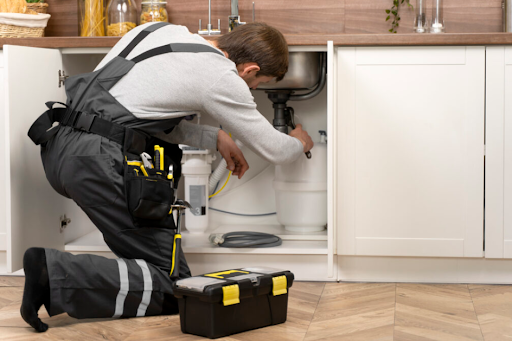
Walk into any Australian kitchen during the evening rush and you’ll see the plumbing system working overtime. Taps running, dishwasher humming, disposal grinding away. Nobody gives it a second thought until something fails. Then it’s panic, buckets on the floor, and frantic searches for a plumber who can come today. Kitchen plumbing maintenance prevents these disasters, but not in the ways most people assume.
Why Your S-Trap Smells
That occasional sewer smell from your kitchen sink isn’t always about blockages. S-traps and P-traps hold water to create a barrier against drain gases. When a tap hasn’t been used for a while, that water evaporates. This happens especially in a second sink or laundry area connected to your kitchen drainage. Suddenly you’re smelling the sewerage system directly. Running water through every drain outlet weekly solves this completely. Yet most people buy expensive drain cleaners instead. They call plumbers to investigate a smell that requires nothing but regular tap usage.
The Mixer Tap Temperature Trick
Mixer taps develop an annoying habit over time. The hot and cold balance shifts. You’re constantly adjusting the handle to get the right temperature. Most people think the tap’s wearing out and needs replacement. Actually, the cartridge inside has mineral deposits forming unevenly on the hot and cold sides. This happens faster if your hot water system runs at higher temperatures. A simple descaling process restores the balance. You don’t need to replace the entire tap assembly. Nobody mentions this because selling new taps makes more commercial sense than explaining maintenance procedures.
What Happens to Tea Leaves
Tea drinkers unknowingly create one of the worst kitchen drain problems. Those tiny wet leaves seem harmless sliding down the sink. They’re actually combining with existing fat residue in your pipes. Together they form a cement-like substance. Coffee grounds do something similar. Neither breaks down easily once they’ve bonded with grease. The combination hardens over months into blockages that require professional equipment to clear. Simply tipping tea and coffee waste into compost or bins prevents this entirely. It’s rarely connected to the drain problems that develop later though.
The Flexible Hose Trap
Modern kitchens use flexible braided hoses for tap connections instead of rigid copper pipes. They’re easier to install and look neat under the sink. What installers sometimes skip mentioning is important. These hoses shouldn’t be twisted or kinked during installation. A twisted hose creates a weak point where water pressure concentrates. Over time, that spot fails first. Check under your sink now. You might find hoses bent at sharp angles or twisted around themselves. Straightening them takes seconds but dramatically extends their functional life before replacement becomes necessary.
Bench-Mounted Soap Dispensers
Those built-in soap dispensers that sit beside your tap create a penetration point through your benchtop. If not sealed properly underneath, water from cleaning or splashing gradually seeps through this hole. It runs down inside the cabinet where you never see it accumulating. Eventually the particleboard benchtop swells around the dispenser hole. By the time you notice, the damage extends well beyond the immediate area. Checking the seal underneath occasionally prevents this. Do it especially after vigorous sink cleaning. This simple check prevents expensive benchtop replacements that could’ve been avoided entirely.
The Garbage Disposal Rhythm
Running your disposal while adding food scraps seems logical enough. Actually, starting the disposal first works better. Then feed waste slowly while running cold water. The blades reach full speed before meeting resistance. Cold water keeps any grease solid so it gets chopped rather than coating the mechanism. Running water well after the grinding stops flushes everything properly through the system. This specific sequence matters more than how often you use the unit. Following it prevents the jamming and motor burnout that typically develops from incorrect operating rhythm.
Where Water Hammer Starts
That banging sound when you turn off the kitchen tap sharply has a name. It’s called water hammer. The momentum of flowing water hits the closed valve and reverberates through your pipes. Over time this damages pipe joints and connections throughout your home, not just in the kitchen. Most people ignore it because nothing seems broken yet. Meanwhile, the repeated shock waves are loosening compression fittings. They’re stressing soldered joints as well. Installing simple arrestors at the affected tap stops the problem completely. Waiting until joints start leaking turns a small prevention job into a major repair project.
Conclusion
The difference between functional kitchen plumbing and constant problems comes down to understanding what’s actually happening inside your system. It means recognizing these less obvious patterns before they develop into failures. Kitchen plumbing maintenance involves checking the things nobody tells you to check. It means questioning assumptions about how systems work. When you understand why problems develop rather than just reacting to symptoms, maintaining your kitchen plumbing becomes straightforward instead of mysterious. Your kitchen keeps working properly while others are calling emergency plumbers and dealing with unexpected disruptions.