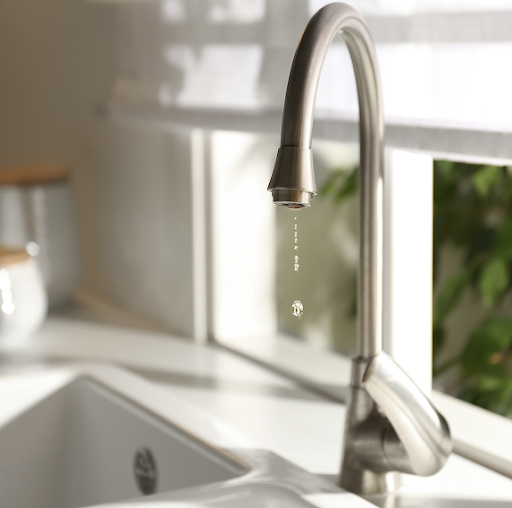
Most Australian homeowners live with leaks for months before realising anything’s wrong. That persistent drip behind the bathroom wall becomes background noise. You adapt to it. Meanwhile, timber frames rot and metal corrodes in spaces you’ll never see until disaster strikes. Water leak detection matters because problems don’t wait for convenient timing. They grow quietly whilst you’re busy with everything else life throws at you.
The Slab Leak Nightmare
Concrete slabs hide copper pipes that age at different rates depending on what’s in your soil. Acidic earth eats through copper faster than you’d believe possible. When these buried pipes finally give way, water disappears into the ground beneath your feet. No puddles. No obvious signs. Just your hot water system running constantly and strange warm patches appearing on winter floors. By the time your tiles crack, the repair job has already spiralled into something serious. Breaking through concrete means your lounge room becomes a building site for weeks.
What Metres Tell You
Turn off every tap in your house. Check the washing machine isn’t mid-cycle. Make sure the dishwasher’s finished. Now walk outside and watch your water metre. If it’s moving, something’s leaking somewhere. Toilets are notorious culprits. The constant trickle into the bowl becomes part of your home’s ambient sound. You stop hearing it the same way you stop noticing traffic noise. Bills creep upward gradually. Most people assume it’s just another rate increase rather than questioning their actual usage.
Summer Does Damage
Australian heat puts genuine stress on household plumbing. Pipes expand. Joints separate slightly. Rubber washers perish faster than manufacturers admit in their warranty documents. A hairline crack that behaved itself through winter suddenly gushes when temperatures soar. Garden irrigation cops the worst of it. Those underground sprinkler lines split from ground movement, and suddenly you’re watering the nature strip instead of your lawn. People see brown grass and fiddle with spray patterns instead of checking for leaks.
That Persistent Smell
Musty dampness creates a specific odour that clings to soft furnishings. You won’t notice it because you live there. Visitors pick it up immediately but rarely mention it. This smell means moisture has been present long enough for organic materials to start decomposing. Carpet underlay holds water like a sponge. Curtains absorb humidity from affected walls. The dampness releases slowly, creating perfect conditions for mould growth in cavities you cannot access without major renovation work.
Insurance Won’t Cover Everything
Assessors draw hard lines between sudden pipe bursts and gradual deterioration. That distinction determines whether your claim succeeds or fails. If damage clearly accumulated over months whilst you ignored obvious warning signs, insurers argue you’ve been negligent. They’re particularly harsh when structural elements suffer because you delayed calling professionals. One chat with a neighbour who mentions your ongoing damp issues can torpedo an entire claim. Document everything. Keep records of maintenance. Prove you acted reasonably when problems emerged.
Finding Hidden Leaks
Plumbers can fix visible drips in minutes. Tracking down invisible leaks is entirely different work. Without proper equipment, they’re essentially guessing where water escapes. Ripping open walls based on hunches gets expensive fast. You might end up with multiple holes before they locate the actual problem. Specialists use acoustic sensors that hear water movement through pipes and walls. Thermal cameras show temperature differences caused by moisture. These tools pinpoint exact locations before anyone picks up a saw. Water leak detection technology has improved dramatically, but many homeowners still don’t realise these services exist until after they’ve paid for unnecessary demolition.
Renters Face Consequences
Tenants often wear the blame for pre-existing water damage. Leaks from upstairs bathrooms drip into light fittings and stain ceilings below. Property managers sometimes attribute this to careless showering or poor cleaning habits rather than admitting the plumbing’s faulty. Without detailed entry reports documenting existing moisture problems, renters lose bond money for issues they inherited. Landlords should arrange professional water leak detection between tenancies. Most skip this step because everything looks fine on the surface.
Conclusion
Leaks operate in silence until the damage becomes unavoidable. The trick is recognising warnings before they transform into genuine emergencies. Your water metre provides clues. Unexplained warm floor patches mean something. Persistent musty smells aren’t normal. Professional water leak detection services exist specifically to find problems before they escalate. Acting early saves you from those frantic midnight calls to emergency plumbers whilst standing in flooded rooms wondering how it got this bad.