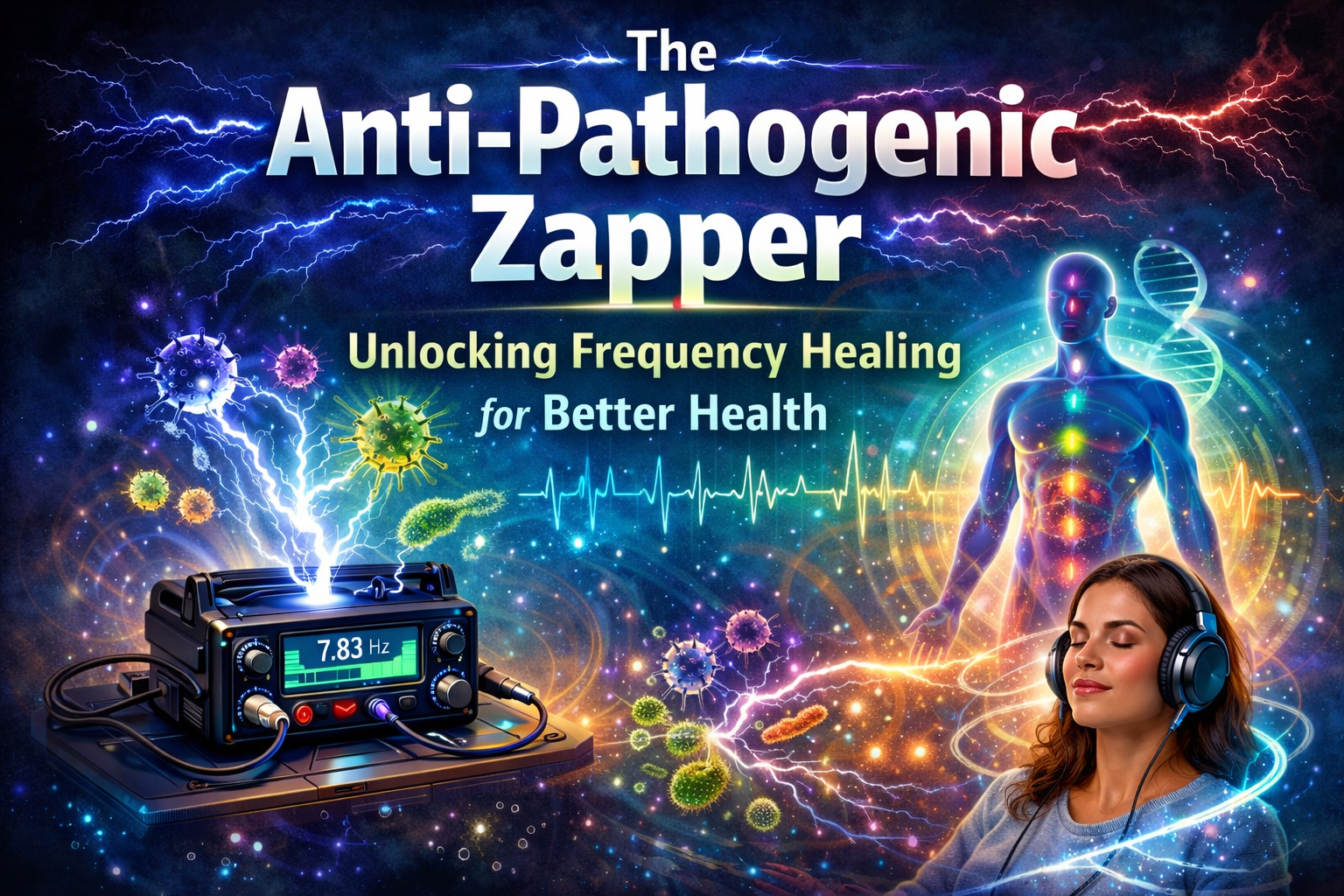
You pop another antibiotic pill, hoping it fights off that nagging infection. But what if drugs aren’t the only way? Enter the anti-pathogenic zapper, a device that uses targeted electromagnetic frequencies to disrupt harmful microbes like bacteria and viruses. This tool draws from Rife technology, aiming to shake up pathogens at their core without chemicals. As interest in alternative health grows, more people turn to these bio-resonance gadgets for support. In this guide, we’ll explore how anti-pathogenic zappers work, their history, and tips for safe use. You’ll get a clear view of this rising field, blending science and user stories.
The Theoretical Foundation of Frequency Medicine
Frequency medicine challenges old ideas about fighting illness. It focuses on energy waves to target germs directly. Anti-pathogenic zappers fit right into this approach, using specific pulses to break down microbes.
Historical Context and Key Pioneers
Royal Rife kicked things off in the 1930s. He built early machines that sent out frequencies to tackle diseases. Rife claimed his devices destroyed cancer cells and germs in lab tests back then. His work faded after legal battles, but it sparked modern versions. Today, hobbyists and small firms build on his designs with digital tech. You can trace today’s anti-pathogenic zappers straight back to those first experiments. Groups like the Rife Research Group keep sharing old notes and new tests.
Principles of Resonance and Pathogen Vulnerability
Think of pathogens like glass shards that shatter at the right pitch. Every bug—bacteria, virus, or parasite—has its own vibe, a unique frequency. The zapper blasts that exact signal, making the microbe vibrate until it bursts. This resonance idea comes from basic physics, where waves match and amplify. Not every frequency works on all germs; you pick based on the target. Zappers run at set rates, say 100 Hz for one bug or 800 Hz for another. It’s like tuning a radio to hit the right station for disruption.
Skepticism and the Scientific Debate
Mainstream docs often roll their eyes at anti-pathogenic zappers. They point to missing big studies with blind tests and control groups. No major agency like the FDA approves them as cures. Yet fans cite electromagnetism basics, how low-energy waves affect cells without heat. Some small studies show promise for wound healing with similar tech. The debate rages: is it placebo, or real bio-resonance? You decide after weighing user reports against expert doubts.
How Anti-Pathogenic Zappers Operate: Technology Breakdown
These devices pack smart tech into simple boxes. They generate waves to zap pathogens from afar or up close. Understanding the guts helps you pick a good one.
Types of Frequency Devices
Classic Rife machines use high voltage but low current through tubes. They hum with old-school power, like a tube radio from the past. Modern digital zappers switch to computer chips for clean signals. Bio-resonance types scan your body first, then adjust waves to fit. Contact zappers hook to your skin with pads. Others create fields you sit near, no touch needed. Each style suits different needs—portable for travel or full setups at home.
Waveform Generation and Delivery
Waveforms matter a lot; square ones pack punch for breaking shells. Sine waves flow smoother, good for gentle sessions. Devices cover ranges from 1 Hz to 20,000 Hz or more, hitting most known pathogen frequencies. Power stays low, under 10 volts, to avoid shocks. Look for stable output—no jumps that mess up the zap. Programmability lets you set custom runs, like 3 minutes per frequency. Check reviews for build quality; cheap ones drift off tune fast.
- Aim for devices with at least 10,000 Hz range.
- Programmable timers save hassle.
- Stable power sources prevent weak signals.
The Role of Frequency Libraries and Protocols
Frequency sets are like recipe books for zappers. They list numbers for Lyme bugs at 432 Hz or candida at 465 Hz. These come from user trials and old Rife logs, not lab proofs. Run a protocol by cycling through 5-10 frequencies for an hour. Independent teams tweak lists yearly, sharing online forums. You start with basic sets for gut issues or colds. Always cross-check sources; some lists clash on exact numbers.
Practical Application and User Experience
Users swear by zappers for daily boosts. But start slow to feel the effects. Real stories show it pairs well with other habits.
Setting Up a Session: Best Practices
Find a quiet spot and ground yourself—bare feet on floor helps. Clip electrodes to wrists or ankles if your model uses them. Power on and pick a frequency set; begin with 5 minutes to test tolerance. Drink water before and after to flush toxins. Many report a warm buzz during use. If it feels off, stop and rest.
- Clean the device and your skin.
- Set low power for first tries.
- Time sessions for mornings when energy peaks.
Herxheimer reactions hit some—like flu symptoms from dying germs. Ease it with baths or herbs, and cut session time.
Integrating Zapping into a Wellness Protocol
Pair zappers with clean eats to amp results. Skip sugar if targeting yeast; add greens for detox. Folks with Lyme use daily zaps plus herbs like cat’s claw. Candida fighters zap twice a week, alongside probiotics. It’s not a solo fix—think of it as a team player in your routine. Track changes in a journal to spot wins.
- Morning zap for energy.
- Evening for relaxation protocols.
- Weekly deep cleans for chronic stuff.
Community shares tips on sites like CureZone, full of before-and-after tales.
Safety Considerations and Contraindications
Don’t zap if pregnant; waves might stir things up. Pacemakers or implants? Skip it—interference risks exist. Metal in your body can heat up, so check with a doc. Limit to 30 minutes daily to dodge fatigue. Watch for skin irritation from pads; use gel if needed. Kids under 12 should avoid without guidance. If you feel dizzy, halt and seek advice.
Regulatory Status and Consumer Caution
Laws treat these as gadgets, not drugs. Know the rules to buy smart.
Navigating Device Classification
In the US, FDA sees most zappers as Class 1 wellness tools, not healers. No claims for curing Lyme or anything specific allowed. Europe uses CE marks for safety, but same limits apply. Sellers push them as learning aids or stress relievers. Check labels—honest ones say “for experimental use.” Regulators warn against unproven disease fixes; fines hit shady marketers.
Due Diligence: Spotting Misleading Marketing
Watch for sites promising miracle cures for all ills. Real deals share specs, not hype. Demand third-party tests or user data. Avoid “guaranteed results” lingo; health varies. Read forums for honest reviews, not just sales pages. Stick to makers with return policies and support lines. Your research keeps you safe from scams.
Conclusion: The Future Trajectory of Energy Healing
Anti-pathogenic zappers blend old ideas with new tech, offering a fresh take on fighting germs. From Rife’s start to today’s digital runs, they target frequencies to disrupt bugs. Users mix them into routines for Lyme aid or detox, but science calls for more proof. Safety first—skip if risks apply, and see it as a side tool, not main fix. As research grows, these devices might gain ground in wellness circles. Curious? Start with basics, track your journey, and chat with pros. What frequency could change your health game?