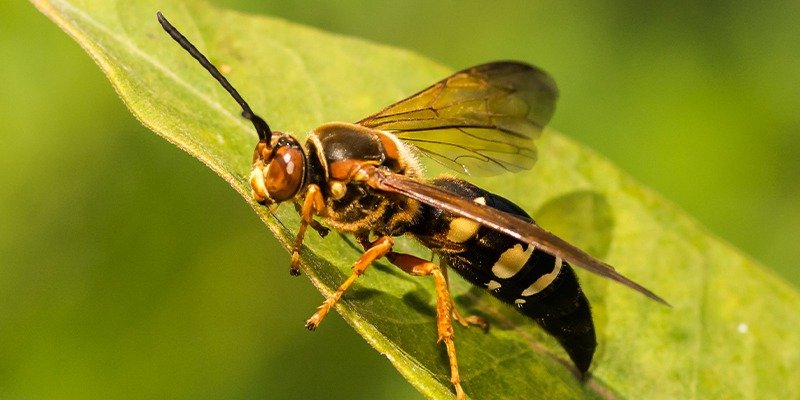
Hornets are among the most intimidating and potentially dangerous stinging insects homeowners and business owners may encounter. Larger and often more aggressive than common wasps or bees, hornets can pose serious health risks, especially to individuals with allergies. When a nest appears near your home, garden, roofline, or commercial property, immediate and professional hornet extermination becomes essential.
In this comprehensive guide, we’ll explore everything you need to know about hornets, why infestations are dangerous, how to identify them, and why professional removal is the safest and most effective solution.
Understanding Hornets: What Makes Them Different?
Hornets are a type of wasp belonging to the genus Vespa. Unlike honeybees, hornets can sting multiple times without losing their stinger. They are highly territorial and will aggressively defend their nests if disturbed.
The most commonly encountered species include:
- European hornets
- Asian hornets
- Bald-faced hornets (technically a type of yellowjacket)
Hornets are typically larger than regular wasps, measuring between 1 to 2 inches in length. Their buzzing is louder, and their appearance—bold markings and robust bodies—can be frightening.
Why Hornets Are Dangerous
Hornets are not just a nuisance; they can be a serious threat.
1. Painful and Repeated Stings
Unlike bees, hornets can sting multiple times. Their venom is more potent than that of many other stinging insects, making the pain more intense.
2. Aggressive Defense Behavior
Hornets release pheromones when they sting, signaling other hornets to attack. This can result in multiple stings within seconds.
3. Allergic Reactions
For individuals allergic to insect venom, a hornet sting can trigger anaphylaxis—a life-threatening condition requiring immediate medical attention.
4. Risk to Children and Pets
Children playing outdoors and curious pets are especially vulnerable to accidental nest disturbances.
Common Locations Where Hornets Build Nests
Hornets are resourceful when selecting nesting sites. You may find nests in:
- Tree branches
- Shrubs and hedges
- Attics
- Roof eaves
- Wall voids
- Sheds and garages
- Decks and patios
Their nests are often paper-like structures made from chewed wood fibers mixed with saliva. Some nests hang visibly from trees, while others are hidden inside structures.
Signs You Have a Hornet Infestation
Recognizing early warning signs can prevent dangerous situations. Watch for:
- Frequent sightings of large stinging insects in one area
- Loud buzzing near walls or ceilings
- Hornets entering and exiting a specific hole or crevice
- Visible paper-like nest structures
- Increased hornet activity during late summer and early fall
If you notice these signs, it’s best to avoid approaching the area and seek professional assistance.
Why DIY Hornet Removal Is Risky
Many homeowners attempt to handle infestations themselves using sprays or home remedies. This approach can be extremely dangerous.
Limited Protection
Store-bought sprays often require you to stand close to the nest, putting you at risk of attack.
Incomplete Removal
Partial treatment may agitate the colony without eliminating it entirely, increasing aggression.
Structural Risks
If nests are inside walls or attics, improper removal can cause structural damage or leave behind residue that attracts other pests.
Legal and Environmental Concerns
In some areas, certain hornet species may be protected, requiring professional evaluation before removal.
Because of these risks, professional extermination frelon is always the safer option.
The Professional Hornet Extermination Process
Hiring experts ensures the job is handled efficiently and safely. Here’s what typically happens:
1. Inspection
Technicians conduct a thorough inspection to identify the nest location, species, and colony size.
2. Safety Preparation
Professionals wear protective suits and use specialized equipment to minimize risk.
3. Targeted Treatment
Advanced insecticides or eco-friendly solutions are applied directly to the nest.
4. Nest Removal
Once the colony is neutralized, the nest is carefully removed to prevent re-infestation.
5. Prevention Advice
Experts provide recommendations to help you avoid future infestations.
Professional services are designed to eliminate the colony while keeping your family and property safe.
When Should You Call for Hornet Extermination?
You should seek immediate help if:
- The nest is near high-traffic areas
- You or a family member has a known allergy
- Hornets are inside your home
- The nest is large or difficult to access
- You’ve already attempted removal unsuccessfully
The sooner action is taken, the lower the risk of injury.
Seasonal Patterns of Hornet Activity
Hornet colonies typically follow a seasonal cycle:
- Spring: Queens emerge from hibernation and begin building nests.
- Summer: Colonies grow rapidly; worker numbers increase.
- Late Summer/Fall: Colonies reach peak size and become more aggressive.
- Winter: Most hornets die off except for fertilized queens.
Late summer and early fall are the most dangerous periods due to heightened aggression and larger colony sizes.
Preventing Future Hornet Infestations
Prevention plays a major role in long-term safety. Consider these steps:
Seal Entry Points
Inspect and seal cracks in walls, rooflines, and siding.
Remove Food Sources
Keep garbage tightly sealed and clean outdoor eating areas.
Maintain Landscaping
Trim shrubs and tree branches away from structures.
Inspect Regularly
Check attics, sheds, and roof eaves periodically for early nest formation.
Install Protective Screens
Cover vents and openings with fine mesh screens.
By combining professional treatment with preventive maintenance, you significantly reduce the chances of recurrence.
Costs of Hornet Extermination
The cost of hornet extermination varies depending on:
- Nest size
- Location and accessibility
- Severity of infestation
- Geographic region
While prices can range from moderate to high, investing in professional removal prevents medical bills, structural damage, and recurring infestations.
Health and Environmental Considerations
Professional exterminators often use targeted treatments that minimize environmental impact while effectively eliminating hornets. Many companies now offer eco-friendly options that protect beneficial insects and surrounding wildlife.
Additionally, responsible extermination ensures that chemical exposure to children and pets is kept to a minimum.
What to Do If You’re Stung
If you are stung by a hornet:
- Move away from the area immediately.
- Wash the sting site with soap and water.
- Apply a cold compress to reduce swelling.
- Take an antihistamine if necessary.
- Seek emergency medical attention if you experience difficulty breathing, swelling of the face or throat, dizziness, or rapid heartbeat.
Never ignore severe reactions.
Choosing the Right Extermination Service
When selecting a service provider, look for:
- Licensed and insured professionals
- Experience handling hornet infestations
- Positive customer reviews
- Clear pricing structure
- Emergency response availability
A reputable provider will prioritize safety, efficiency, and customer education.
Final Thoughts
Hornets are not pests to be taken lightly. Their aggressive nature and painful stings make infestations a serious concern for homeowners and businesses alike. Attempting removal without proper training can lead to dangerous outcomes.
Professional hornet extermination ensures complete removal, protects your loved ones, and restores peace of mind. If you notice increased hornet activity or discover a nest on your property, act quickly and consult experts who can handle the situation safely and effectively.

