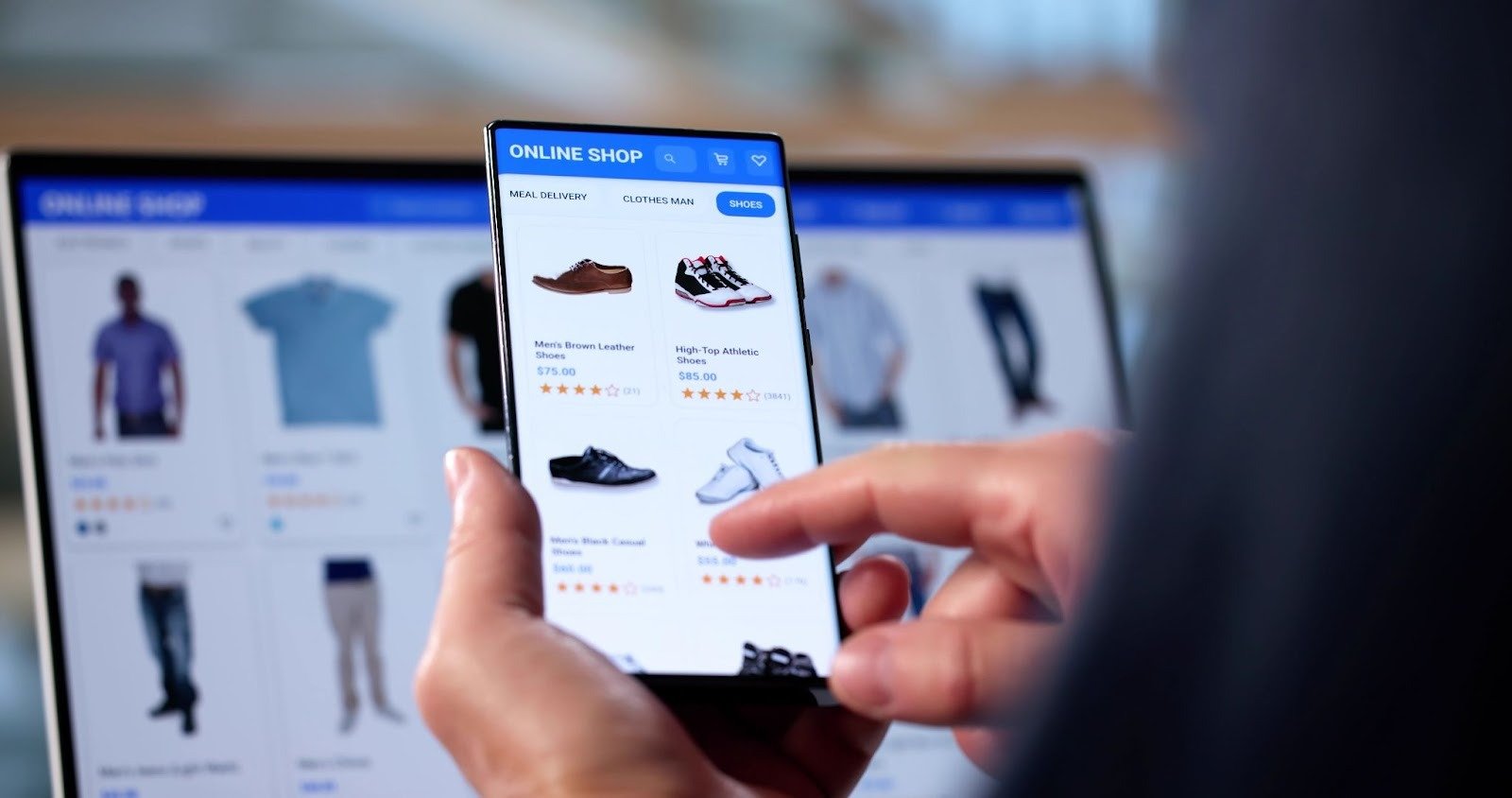
Online shopping used to be all about convenience, but in 2026, it’s just as much about psychology. Today’s consumers aren’t simply buying products — they’re making decisions shaped by reviews, social proof, convenience, emotional triggers, and digital experiences. Understanding the psychology of smart online shopping in 2026 helps buyers avoid impulse purchases and make choices they actually feel good about later.
Most people have experienced that moment of excitement after clicking “Buy Now,” followed by a small wave of regret the next day. Smart shopping habits are growing precisely because shoppers now want satisfaction that lasts longer than the checkout thrill.
Why Consumers Shop Differently Today
Shopping habits have changed dramatically in the past few years. Customers now research products more carefully, compare alternatives, and read real customer experiences before purchasing.
This shift isn’t random. Rising living costs and increased awareness about spending have made consumers more cautious. People don’t want to waste money on products that don’t deliver value. Instead, they look for stores that offer clear information, honest pricing, and reliable delivery.
Online shoppers today want transparency. They want to know exactly what they’re getting and whether it suits their needs.
The Role of Social Proof in Buying Decisions
One of the biggest psychological factors influencing online shopping is social proof. Reviews, ratings, and customer testimonials heavily impact purchase decisions. When buyers see others having positive experiences, they feel safer choosing the same product.
Social media and online communities amplify this effect. Everyday users now share product experiences, which helps others make informed decisions. Instead of trusting advertisements alone, shoppers trust real people.
For example, many consumers exploring alternatives to products they previously used now browse alternative vape options recommended through online discussions, especially when regulations or availability change. Seeing real comparisons makes decisions easier.
Convenience Still Plays a Huge Role
Even with smarter shopping habits, convenience remains essential. People still choose online stores that save time and reduce hassle. Simple navigation, easy payment options, and fast delivery keep customers returning.
Modern buyers also value products that fit smoothly into their routines. Someone searching for smoother nicotine experiences might explore nicotine salt collections after reading reviews or watching demonstrations online. Similarly, users looking for compact and convenient solutions often check out prefilled pod systems that require minimal setup.
When products solve real problems quickly, customers feel confident about their choices.
Emotional Buying vs Rational Buying
Smart online shoppers now try to balance emotional desire with rational thinking. Emotional buying happens when a product looks exciting or trendy, while rational buying involves asking practical questions: Do I really need this? Will I use it regularly? Is it worth the cost?
People who pause before purchasing often feel happier with their decisions later. Even waiting 24 hours before completing a purchase helps reduce impulse buying.
Online stores that provide detailed product guides, tutorials, and comparisons help customers make rational decisions. Someone upgrading their device, for instance, might explore options through modern vape kits after comparing features and reviews rather than buying impulsively.
How Technology Helps Consumers Shop Smarter
Technology also plays a role in smarter shopping behavior. Price comparison tools, product review platforms, and AI-based recommendations help buyers discover better options quickly.
Personalized suggestions based on previous purchases or browsing history save time and reduce decision fatigue. Instead of endless searching, customers see options relevant to their needs.
However, experienced shoppers also know they shouldn’t rely only on suggestions. Comparing prices and checking independent reviews still matters.
Avoiding Common Online Shopping Traps
Despite improvements, shoppers still fall into common traps like flash sales, fake discounts, and influencer-driven impulse purchases. Smart consumers learn to spot marketing tactics and focus on real value.
They compare original prices, check return policies, and ask themselves whether they truly need the product or just want it temporarily.
Learning these habits takes time, but once developed, they prevent unnecessary spending and disappointment.
Final Thoughts: Shopping Smarter, Not Harder
Online shopping in 2026 isn’t just about buying things faster; it’s about buying things better. Consumers now want purchases that genuinely improve their lives, not items that sit unused after initial excitement fades.
By understanding how psychology influences buying decisions, shoppers can slow down, research properly, and choose products that truly suit their needs. Smart online shopping doesn’t mean avoiding purchases altogether — it means making decisions you won’t regret later.
At the end of the day, the best purchase is the one that still feels right long after the package arrives.