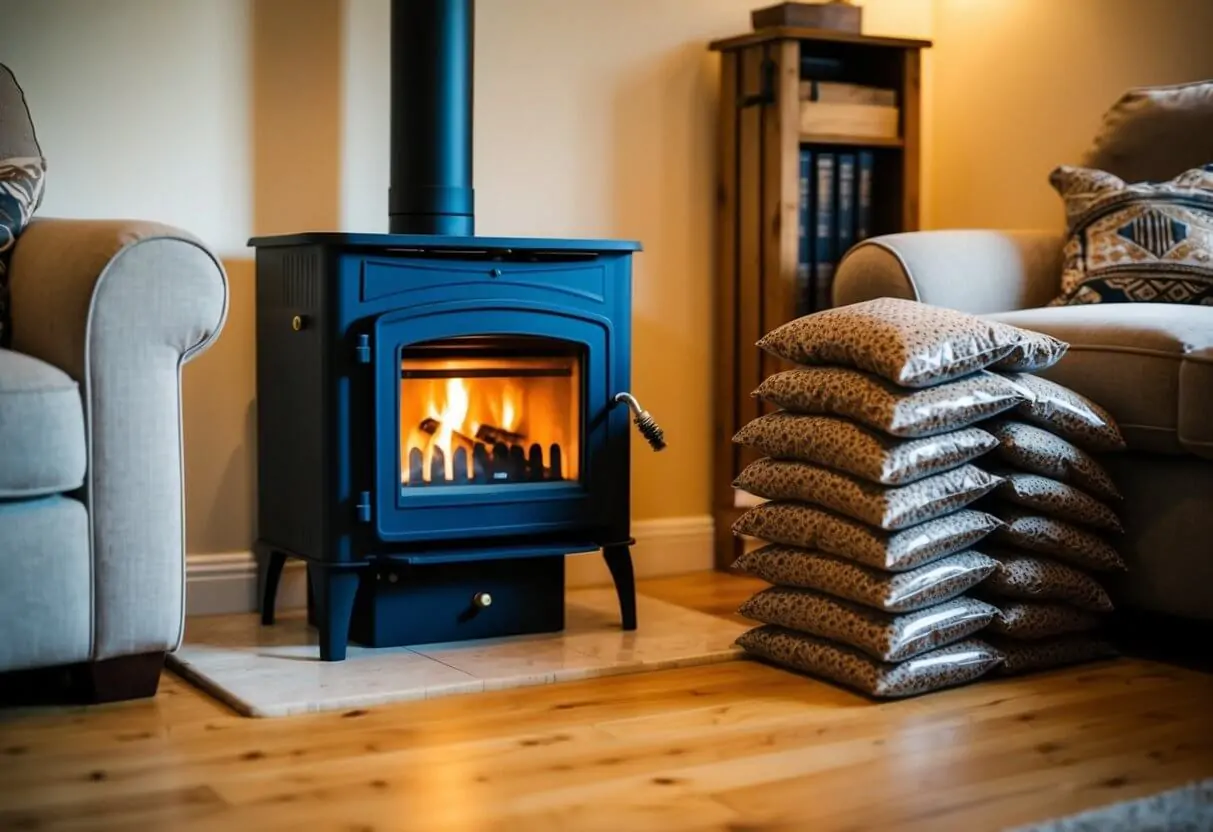
Pellet stoves have become an increasingly popular heating option for homeowners who want an energy-efficient, environmentally friendly, and cost-effective way to warm their homes. They offer the charm of a traditional wood stove with the convenience of modern technology. However, like any heating appliance, pellet stoves require regular maintenance to operate safely and efficiently. One of the most important aspects of maintenance is Nettoyage poêle à granulés properly and consistently.
Neglecting regular cleaning can lead to reduced heating efficiency, higher fuel consumption, unpleasant odors, and even potential safety hazards. In this comprehensive guide, we will walk through everything you need to know about maintaining your pellet stove, from daily upkeep to deep seasonal cleaning. Whether you’re a first-time owner or someone looking to improve your maintenance routine, this article will help you get the most out of your heating system.
Why Regular Pellet Stove Cleaning Is So Important
Pellet stoves work by burning compressed wood pellets in a burn pot, with automated systems feeding pellets into the combustion chamber. As the pellets burn, they produce heat, ash, and combustion byproducts. While pellet stoves are cleaner than traditional wood-burning stoves, they still generate residue that accumulates over time.
If not cleaned regularly, ash buildup can block airflow, reduce combustion efficiency, and strain internal components. A clogged burn pot can lead to incomplete burning of pellets, causing excess smoke and soot. Dirty heat exchangers can reduce heat transfer, meaning your stove works harder but produces less warmth.
Routine cleaning ensures:
- Better fuel efficiency
- Consistent heat output
- Longer appliance lifespan
- Reduced risk of mechanical failure
- Improved indoor air quality
- Lower risk of chimney or vent blockages
Simply put, cleaning is not optional—it’s essential for both performance and safety.
Understanding How a Pellet Stove Works
Before diving into maintenance steps, it helps to understand the main components of a pellet stove:
- Hopper – Stores the wood pellets.
- Auger – Feeds pellets into the burn pot.
- Burn Pot – Where combustion takes place.
- Heat Exchanger – Transfers heat into the room.
- Ash Pan – Collects leftover ash.
- Exhaust Venting System – Removes combustion gases.
- Blowers (Combustion and Convection Fans) – Circulate air.
Knowing how these parts interact makes it easier to understand where and why cleaning is required.
Daily and Weekly Cleaning Tasks
While deep cleaning is important, small and consistent maintenance habits prevent bigger problems later.
Daily or After Each Use
If you use your pellet stove heavily during winter, consider the following routine:
- Inspect the Burn Pot
Remove clinkers (hardened ash deposits) from the burn pot. These can block air holes and reduce combustion efficiency. - Check Flame Quality
A bright, active flame indicates proper airflow. A lazy, dark flame may suggest cleaning is needed. - Empty Excess Ash if Necessary
Depending on usage, ash may need to be cleared every few days.
Weekly Maintenance
- Empty the ash pan.
- Wipe down interior glass with a stove-safe cleaner.
- Inspect gaskets around doors and hopper lid.
- Vacuum loose ash from accessible areas using an ash vacuum.
Never use a regular household vacuum for ash, as fine particles can damage the motor and spread dust into the air.
Monthly Deep Cleaning Steps
In addition to routine maintenance, a more thorough cleaning should be performed every month during heavy-use seasons.
1. Turn Off and Cool Completely
Always unplug the stove and ensure it is fully cooled before starting any maintenance work.
2. Clean the Burn Pot Thoroughly
Remove the burn pot and scrape off carbon buildup. Ensure all air holes are clear. Use a small brush or tool to clean tight spaces.
3. Vacuum the Firebox
Use an ash vacuum to remove debris from:
- Firebox walls
- Heat exchanger tubes
- Air passages
Pay attention to corners where ash accumulates.
4. Clean Heat Exchanger Tubes
Many pellet stoves include a rod that allows you to scrape exchanger tubes. Move the rod back and forth several times to dislodge soot.
5. Inspect and Clean the Venting System
Check the exhaust vent pipe for soot buildup. A blocked vent can reduce efficiency and pose a safety risk. Some homeowners disconnect and clean vent pipes monthly, while others do this seasonally depending on usage.
Seasonal or Annual Professional Maintenance
At least once a year—ideally before the heating season—schedule a professional inspection and service.
A technician will:
- Inspect and clean internal blowers
- Check electrical connections
- Examine gaskets and seals
- Clean the combustion chamber thoroughly
- Inspect venting for blockages
- Test safety switches
Even if you perform regular cleaning yourself, professional servicing ensures optimal safety and performance.
Tools You’ll Need for Proper Cleaning
Having the right tools makes maintenance easier and more effective. Recommended items include:
- Ash vacuum (specifically designed for pellet stoves)
- Soft-bristle brush
- Scraper tool for burn pot
- Microfiber cloth
- Glass cleaner made for stove doors
- Screwdriver set (for removing panels if needed)
- Drop cloth or protective mat
Avoid harsh chemicals or abrasive cleaners that can damage internal components.
Common Mistakes to Avoid
When Cleaning a pellet stove, homeowners sometimes make avoidable errors. Here are a few to watch out for:
Using a Regular Vacuum
Fine ash particles can destroy household vacuums and create dust clouds.
Ignoring the Vent Pipe
Many people clean only the visible parts of the stove but forget the exhaust system.
Overlooking Gaskets
Worn door gaskets reduce efficiency by allowing air leaks.
Cleaning While Hot
Always let the stove cool fully to prevent injury.
Skipping Maintenance Because “It Looks Clean”
Even if the stove appears clean, hidden ash buildup can still reduce efficiency.
Signs Your Pellet Stove Needs Cleaning
Sometimes your stove will give clear warning signs that cleaning is overdue:
- Reduced heat output
- Pellets accumulating unburned in burn pot
- Dark or sooty flame
- Glass turning black quickly
- Unusual smells
- Stove shutting down unexpectedly
Addressing these signs promptly can prevent larger mechanical issues.
How Cleaning Improves Efficiency and Saves Money
One of the biggest benefits of regular cleaning is cost savings. When airflow is unrestricted and combustion is efficient, pellets burn more completely. This means:
- Lower pellet consumption
- More consistent heating
- Reduced wear on motors and fans
An efficient pellet stove can reduce heating costs significantly compared to electric or gas systems. However, this efficiency depends on proper maintenance.
Pellet Quality and Its Impact on Cleaning Frequency
Not all wood pellets are created equal. Low-quality pellets produce more ash and residue, increasing cleaning frequency. High-quality pellets burn cleaner and more efficiently.
Look for pellets with:
- Low ash content
- Minimal dust in the bag
- Consistent pellet size
- Certified quality standards
Choosing better pellets reduces cleaning effort and improves performance.
Creating a Cleaning Schedule That Works
The best approach to pellet stove maintenance is consistency. Consider setting reminders:
- Quick burn pot check: Daily
- Ash pan emptying: Weekly
- Deep interior clean: Monthly
- Professional inspection: Annually
Creating a routine prevents neglect and makes the process manageable rather than overwhelming.
Safety Considerations During Cleaning
Safety should always be the top priority.
- Always unplug the stove before cleaning.
- Wear gloves to protect hands from sharp edges.
- Use a mask if sensitive to fine dust.
- Dispose of ash in a metal container with a tight lid.
- Keep ash away from combustible materials.
Even small embers can stay hot for hours, so never assume ash is completely cool.
Extending the Lifespan of Your Pellet Stove
Pellet stoves are an investment, and with proper care, they can last 15 to 20 years or more. Regular cleaning prevents corrosion, reduces mechanical strain, and keeps components functioning properly.
Think of maintenance as preventative care. A small amount of time spent each week can save hundreds or even thousands of dollars in repairs or premature replacement.
Final Thoughts
Owning a pellet stove comes with many benefits—comfort, efficiency, and eco-friendly heating. But these advantages only remain if the unit is maintained correctly. Cleaning a pellet stove is not complicated, but it does require consistency and attention to detail.
By following daily, weekly, monthly, and annual cleaning routines, you can ensure optimal performance, improved safety, and long-term durability. With proper maintenance, your pellet stove will provide reliable warmth and comfort for many winters to come.
Taking the time to clean your pellet stove properly isn’t just about appearance—it’s about efficiency, safety, and protecting your investment.