
Popunder traffic is typically delivered through automated advertising infrastructures that operate in the background of media websites. These systems handle ad delivery, targeting, and frequency control without affecting the visible page. For publishers, this means monetization is managed at the traffic level rather than within the content itself, allowing articles and media pages to remain unchanged while revenue is generated through user sessions.
How media monetization works without limiting access
Media websites that operate without paywalls rely on a monetization model built around access rather than restriction. The goal is to keep content open while still generating revenue from audience activity. Advertising formats make this possible by converting user sessions into value without forcing registration, subscriptions, or payments. This approach is especially important for news, entertainment, and informational platforms where users expect instant access and short engagement cycles. Instead of placing barriers in front of content, monetization runs alongside consumption. Readers come for information, stay for convenience, and revenue is generated through aggregated behavior rather than individual transactions. This structure allows media outlets to grow reach, maintain visibility in search and social channels, and support ongoing content production without changing how users interact with the site.
How media platforms sustain free access
Media outlets operating without subscriptions depend on consistent audience flow and predictable monetization models. Advertising remains the primary mechanism that connects attention with revenue.
Wide audience reach is essential. Media content is often consumed casually and frequently, from checking headlines in the morning to skimming updates throughout the day. This behavior creates many short sessions that, when aggregated, form a stable foundation for advertising-based revenue.
Advertising also reduces pressure on editorial teams to gate content. Instead of limiting access or pushing aggressive subscription prompts, publishers can focus on distribution, speed, and relevance, knowing that monetization runs alongside content consumption rather than in front of it.
Core advertising formats used by media outlets
Most media platforms rely on a combination of formats rather than a single monetization source. This diversification protects revenue and improves overall performance.
Display and native placements are widely used across articles and category pages. Display ads monetize impressions and brand exposure, while native units are designed to visually align with editorial content. When implemented carefully, they provide value without distracting readers or interrupting the reading flow.
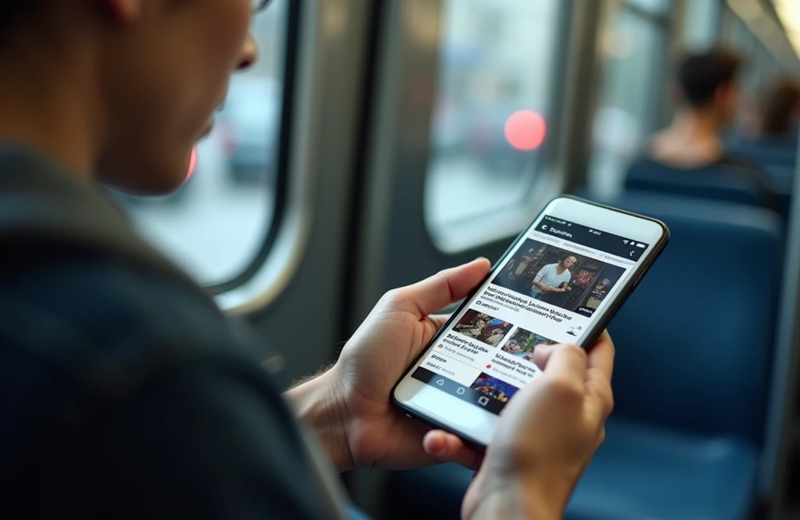
User behavior often extends beyond a single visit. A familiar pattern is reading a breaking story, leaving the site, and later returning after a reminder or update related to the same topic. In such cases, push traffic fits naturally into the daily media routine, reinforcing engagement through recognizable, practical usage rather than forced exposure.
Common advertising formats supporting media include:
- Popunder ads focused on session-level monetization
- Display banners tied to reach and impressions
- Native ads aligned with content context
- Video ads embedded in multimedia pages
- Notification-based formats encouraging return visits
User experience as a monetization constraint
Even effective advertising formats can damage long-term performance if user experience is ignored. Media audiences are sensitive to overload and repetition.
Frequency control is critical. Excessive exposure leads to fatigue and disengagement, while well-timed placements maintain usability. Successful publishers align ad delivery with natural breaks such as page loads or session starts rather than interrupting active reading.
Trust also plays a defining role. Clear labeling, fast-loading pages, and compliance with privacy standards signal professionalism. When users feel comfortable, they are more likely to return, share content, and engage organically, which strengthens both audience metrics and advertising outcomes.
Scaling advertising as media grows
As media platforms expand, monetization strategies must evolve alongside traffic and content volume.
Format selection should reflect audience behavior and device usage. High-frequency news sites benefit from scalable formats, while long-form or analytical media may require fewer, more targeted placements. Mobile and desktop users also respond differently, making adaptability essential.
A practical evaluation checklist includes:
- Audience size and session patterns
- Traffic sources and repeat visits
- Content type and publishing cadence
- Device mix and performance limits
Applying these criteria helps media outlets grow revenue without sacrificing accessibility or credibility.
Conclusion
Advertising formats play a structural role in supporting modern media. When implemented as background systems rather than visible obstacles, they allow content to remain open, accessible, and scalable. The most effective approaches align with user behavior, respect reading flow, and operate at the session level instead of within the content itself. This balance enables media platforms to fund production, maintain editorial independence, and grow without relying on access restrictions. Sustainable media monetization is built not on pressure, but on alignment between technology, audience habits, and trust.