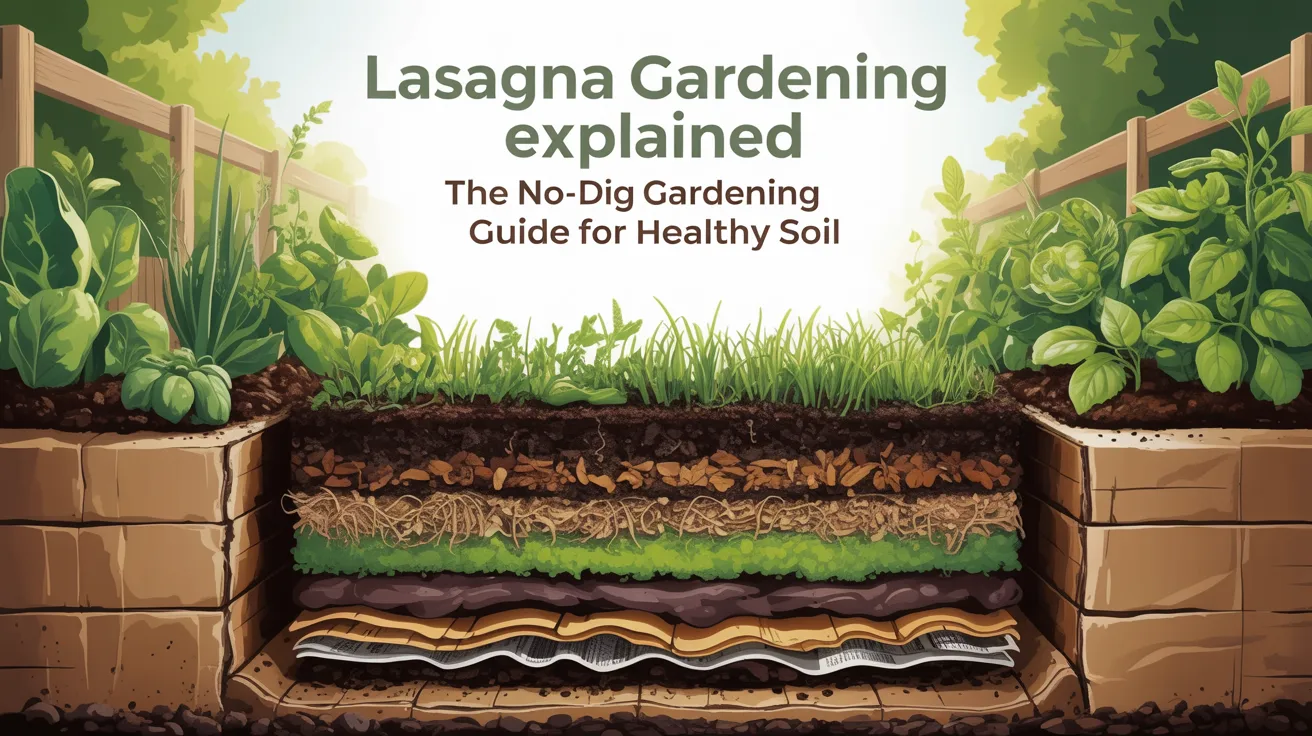
Gardening has long been associated with hard physical labour: turning soil with a shovel, wrestling with stubborn weeds, and spending hours preparing garden beds before a single plant goes in the ground. For many people, especially beginners or those with limited time or physical ability, this traditional approach can feel overwhelming. Fortunately, there is an alternative that is far gentler on the body and far kinder to the environment—lasagna gardening, also known as sheet composting or no-dig gardening.
Lasagna gardening turns the conventional idea of soil preparation on its head. Instead of digging down into the earth, you build your garden bed upwards by layering organic materials, much like the layers of a lasagna. Over time, these layers break down naturally, creating rich, fertile soil that plants love. The result is a productive garden bed with fewer weeds, better moisture retention, and minimal effort compared to traditional methods.
This technique has gained popularity across Australia, particularly among home gardeners who want a more sustainable and low-maintenance way to grow vegetables, herbs, and flowers. Whether you are working with compacted soil, an existing lawn, or a patch overrun with weeds, lasagna gardening offers a practical solution that works with nature rather than against it.
What Is Lasagna Gardening?
At its core, lasagna gardening is a form of composting done directly where you want your plants to grow. Instead of creating a compost pile and then spreading it later, you build the compost in layers right on the garden bed. These layers are made up of two main types of materials:
- “Brown” materials (carbon-rich): cardboard, newspaper, dry leaves, straw, mulch, shredded paper, and small branches.
- “Green” materials (nitrogen-rich): grass clippings, kitchen vegetable scraps, coffee grounds, fresh plant trimmings, and compost.
By alternating these layers and keeping them lightly moist, you encourage microorganisms, worms, and fungi to break everything down into dark, crumbly humus. This humus becomes the growing medium for your plants, providing nutrients, improving soil structure, and supporting healthy root development.
The base layer—usually cardboard or newspaper—is especially important. It blocks sunlight from reaching weeds and grass underneath, effectively smothering them. Over time, this layer decomposes as well, allowing plant roots to grow down into the soil below.
Why No-Dig Gardening Works So Well
Traditional gardening methods often rely on digging and tilling to loosen soil and remove weeds. While this can provide short-term results, it also has several downsides. Tilling disrupts soil structure, destroys beneficial microorganisms, and can bring dormant weed seeds to the surface, where they quickly germinate. It also exposes soil to erosion and moisture loss.
Lasagna gardening avoids all of these issues. By leaving the soil undisturbed, you protect the existing soil ecosystem. Earthworms and microorganisms are free to do their job, breaking down organic matter and transporting nutrients deeper into the soil. As the layered materials decompose, they naturally improve soil aeration and fertility without mechanical intervention.
This approach mimics how soil forms in nature, where organic matter accumulates on the surface and gradually breaks down over time. The result is healthier soil that improves year after year, rather than becoming compacted and depleted.
Key Benefits of Lasagna Gardening
Excellent Weed Suppression
The thick base layer of cardboard or newspaper blocks light and prevents weeds from growing through. Even persistent grasses are eventually smothered and decomposed.
Naturally Improved Soil Fertility
As organic materials break down, they release nutrients slowly, feeding plants over time without the need for synthetic fertilisers.
Better Moisture Retention
Layered organic matter acts like a sponge, holding moisture in the soil. This is especially valuable in Australia’s dry and unpredictable climate.
Environmentally Friendly
Lasagna gardening recycles garden waste, kitchen scraps, and paper products that might otherwise end up in landfill.
Reduced Physical Labour
No digging, minimal weeding, and less ongoing maintenance make this method ideal for gardeners of all ages.
Flexible and Versatile
You can build lasagna gardens over lawns, weeds, poor soil, or even hard-packed ground.
Materials You’ll Need
One of the biggest advantages of lasagna gardening is that it relies on materials you likely already have. You don’t need expensive tools or specialised products.
- Cardboard or newspaper (non-glossy, tape removed)
- Brown materials: dry leaves, straw, mulch, shredded branches, sawdust
- Green materials: grass clippings, vegetable scraps, coffee grounds, compost
- Water to moisten layers
- Optional compost or soil for planting immediately
Step-by-Step Guide to Building a Lasagna Garden
1. Choose the Location
Select a sunny spot appropriate for what you plan to grow. Most vegetables need at least six hours of sunlight per day. If the area has tall grass, mow it low before starting.
2. Mark Out the Bed
Decide on the size and shape of your garden bed. You can leave it informal or edge it with timber, logs, bricks, or stones for a cleaner look.
3. Lay the Base Layer
Cover the ground completely with overlapping cardboard or several layers of newspaper. Overlap edges generously to ensure no light reaches the soil below.
4. Add a Brown Layer
Spread a thick layer of carbon-rich materials such as dry leaves or straw. This provides structure and helps balance nitrogen-heavy greens.
5. Add a Green Layer
Add grass clippings, kitchen scraps, or compost. These materials fuel decomposition and feed soil organisms.
6. Continue Layering
Alternate brown and green layers until the bed is around 30–45 centimetres high. The materials will shrink significantly as they decompose.
7. Water as You Go
Lightly water each layer to help kick-start decomposition. The goal is damp, not waterlogged.
8. Top with Compost or Soil (Optional)
If you want to plant straight away, add a final layer of compost or soil. Otherwise, allow the bed to rest and break down naturally.
Best Time to Build a Lasagna Garden
Autumn is the ideal time to build a lasagna garden. Fallen leaves and garden waste are abundant, and the bed has several months to decompose before spring planting. By the time warmer weather arrives, you’ll have rich, friable soil ready to go.
Spring and summer builds are also possible. In these cases, adding a top layer of compost allows immediate planting, while the layers below continue to improve the soil.
Tips for Long-Term Success
- Maintain a balance between green and brown materials.
- Keep the bed moist but not soggy.
- Avoid adding meat, dairy, or oily foods.
- Allow time for decomposition—soil quality improves with patience.
- Start small if you’re new to the method and expand gradually.
What Grows Well in a Lasagna Garden?
Lasagna gardens are highly versatile and can support a wide range of plants thanks to their loose soil structure and steadily improving nutrient profile. The layered organic matter provides consistent moisture retention and slow-release nutrients, creating ideal growing conditions for many plant types.
Vegetables that grow particularly well include:
- Tomatoes
- Beans and peas
- Lettuce and other leafy greens
- Zucchini and squash
- Capsicum and chillies
- Spinach
Leafy greens thrive in lasagna gardens because the soil remains soft, rich, and free from heavy weed competition, allowing roots to spread easily and absorb nutrients efficiently.
Herbs are also well suited to lasagna gardening, such as:
- Basil
- Parsley
- Coriander
- Thyme
- Oregano
- Mint
These herbs often produce more vigorous growth and fuller foliage compared to compacted or frequently tilled soil.
Flowering plants that perform well include:
- Marigolds
- Sunflowers
- Nasturtiums
- Calendula
These flowers attract beneficial insects and help improve overall garden health.
Root crops that truly excel include:
- Carrots
- Beetroot
- Radishes
- Potatoes
Because there is no hard or compacted soil, roots can grow straight and evenly, resulting in better-shaped, higher-quality harvests.
Lasagna Gardening vs Traditional Gardening
When compared to traditional gardening, lasagna gardening offers a far more sustainable and low-effort approach to soil preparation and long-term garden health. Traditional gardening often relies on digging, tilling, and turning the soil, which can disrupt beneficial microorganisms, damage soil structure, and expose dormant weed seeds. It also typically requires ongoing inputs such as synthetic fertilisers and frequent weeding to maintain productivity.
Lasagna gardening eliminates many of these challenges. Because the soil is never disturbed, beneficial organisms like earthworms and microbes are able to thrive, naturally improving aeration and nutrient availability. Weed pressure is significantly reduced due to the cardboard base layer, and moisture is retained more effectively, reducing watering needs.
Over time, lasagna garden beds become more fertile rather than depleted. Each added layer of organic matter continues to feed the soil, making this method ideal for gardeners seeking long-term productivity with minimal physical labour.
Using Lasagna Gardening Over Lawns and Turf
One of the most appealing aspects of lasagna gardening is that you don’t need to remove existing turf. Simply lay cardboard over the lawn and build your layers on top. The grass underneath will die back and decompose, contributing organic matter to the soil.
Many Australian homeowners like to combine productive garden beds with attractive lawn areas. By using lasagna gardening for vegetables and maintaining lawn areas with quality turf from suppliers such as A View Turf in Sydney, it’s possible to create a balanced outdoor space that is both beautiful and functional.
Common Mistakes to Avoid
While lasagna gardening greatly reduces the need for added fertiliser, many gardeners still make common fertiliser mistakes—often out of habit from traditional gardening methods. One of the most frequent issues is over-fertilising. Because lasagna beds are already rich in decomposing organic matter, adding extra fertiliser can overwhelm plants, burn roots, and disrupt beneficial soil microorganisms.
Another mistake is relying on fast-acting synthetic fertilisers. These may produce quick growth, but they do little to improve long-term soil health and can interfere with the natural breakdown of organic layers. Lasagna gardening works best when nutrients are released slowly and steadily through natural decomposition.
Applying fertiliser too early is also a problem. Newly built lasagna beds need time for layers to break down before nutrients become available. Adding fertiliser during this stage is often unnecessary and ineffective.
Finally, poor nutrient balance—especially excess nitrogen—can lead to lush leafy growth with reduced flowering or fruiting. In most cases, a well-constructed lasagna garden provides all the nutrients plants need without additional fertilisers.
Final Thoughts
Lasagna gardening proves that productive gardening doesn’t have to involve hard labour or expensive inputs. By layering organic materials and letting nature do the work, you can create fertile, weed-free garden beds that improve year after year.
This no-dig approach is sustainable, budget-friendly, and perfectly suited to Australian conditions. Whether you are converting part of your lawn, starting a new vegetable patch, or simply looking for an easier way to garden, lasagna gardening offers a practical and rewarding solution.
When combined with thoughtful landscaping—such as maintaining lawn areas with quality turf and dedicating specific spaces to no-dig garden beds—you can enjoy a backyard that is both visually appealing and highly productive. With a little patience and creativity, lasagna gardening can transform the way you grow food and care for your soil.