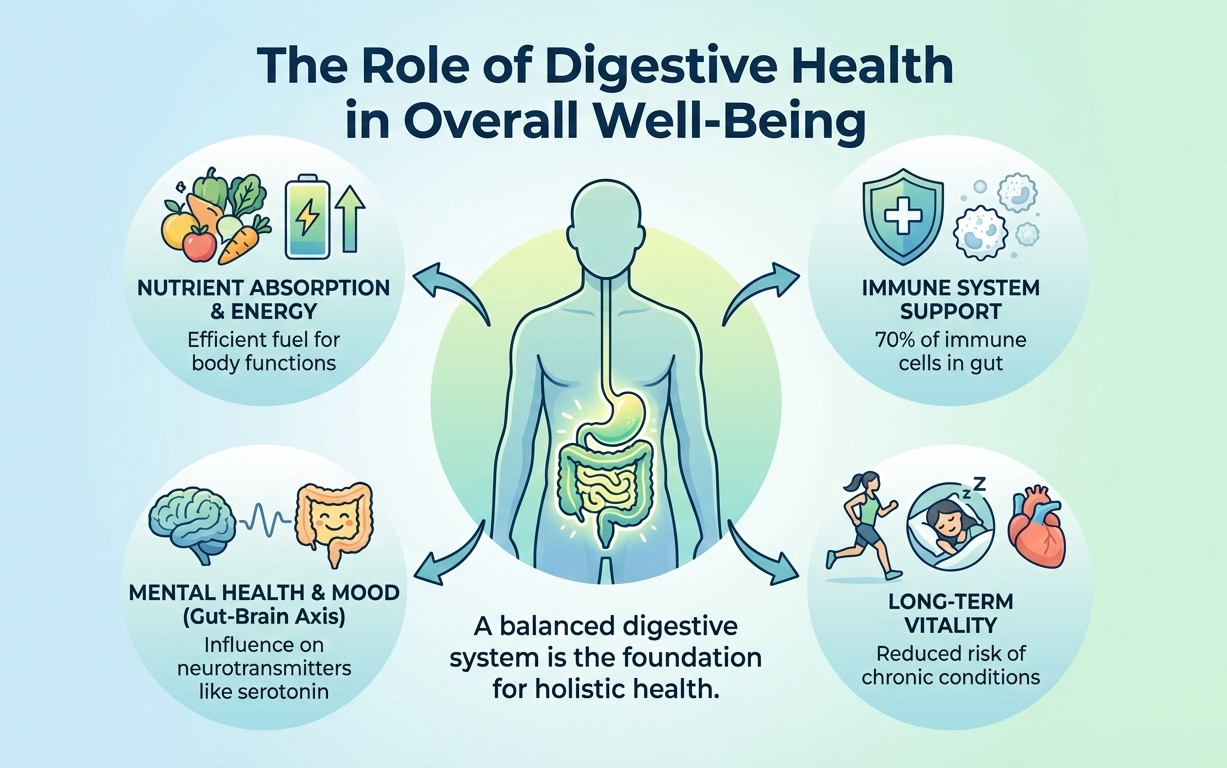
A healthy digestive system is important to the human body to have balance, energy and resiliency. Although digestion has been linked with the destruction of food, its effects go way beyond the absorption of nutrients. Digestion processes are important to keep the energy quantity normal, maintain the immune system, influence a mood, and provide the body with defensive against diseases. In case of digestion disease, the consequences are experienced by the whole body in physical and mental health.
Digestive health indicates the efficiency of the digestive system in the digestion of foodstuffs, uptake of nutrients and equilibrium in the gut environment. A good digestive system helps to provide the energy needed to make the body run as well as help in communication of the gut, brain and the immune system. Conversely, inadequate digestive system may also cause tiredness, low immunity, emotional instability and susceptibility to disease.
This article will examine the relationship between digestive health and general wellness. Reading about the role of digestion in energy, immunity, mood regulation, and prevention of various diseases, the readers will be able to comprehend the importance of gut balance in health and quality of life in the long term better.
Getting to know Digestive Health
Health of the digestive system is the correct work of the gastrointestinal system, stomach, intestines, and organs that support it. It entails the optimal food digestion, nutrient absorption, waste elimination and a balanced gut environment. When such processes are in perfect harmony the body is well prepared to maintain daily operations and adapt to both physical and emotional stress.
The digestive system is not in isolation. It both interacts closely with the nervous system, immune system and endocrine system. The gut signals are known to affect the appetite, metabolism and even the emotion. Due to such interconnection, disturbances at the digestive tract may be far-reaching outside the digestive tract.
To have a rough idea of the benefits of digestive processes to the health state, the digestive health recommendations given by the public health authorities are the description of the significance of gut balance and the eating habits to the overall health.
The Digestive System as the Energy Entry Point of the Body
Regulation of energy is one of the most direct mechanisms in which digestive health influences well-being. The digestive tract is charged with the responsibility of breaking down food to nutrients that cells utilize in generating energy. Carbohydrates are sources of glucose, proteins are sources of amino acids, and fats are sources of long-term sources of energy. These nutrients cannot be effectively accessed without good digestion.
Digestion keeps the energy production constant during the day. Nutrients are taken in a fashion that promotes physical activities, mental functions, and restoration. However, when digestion is poor, the body may experience some deficiencies in the nutrients that may result to fatigue, weakness and loss of concentration.
Stable blood sugar is also dependent on digestive efficiency. Healthy absorption and control of nutrients will allow avoiding sudden bursts of energy and crashes, which will result in long-term body and brain functions.
Gastrointestinal Support and Immune System Support
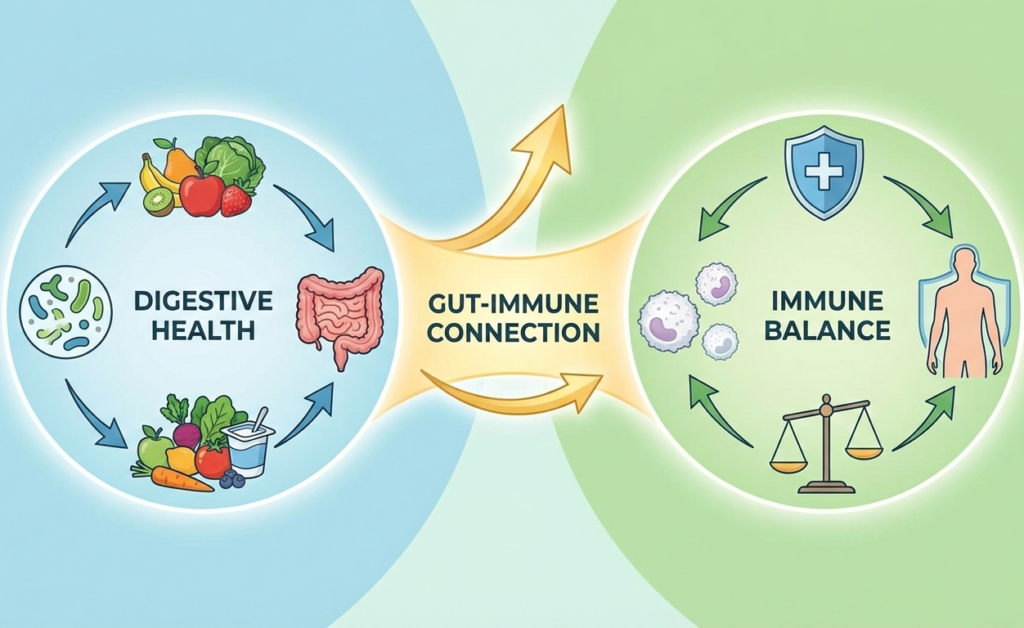
The immune system is concentrated in a big section in the digestive tract. The intestines are known to serve a protective role, preventing the external environment and inner body to interact with each other, regulating the entry of what is absorbed in the bloodstream. A well-functioning digestive tract maintains the immune cells and avoids the occurrence of inflammatory processes caused by specific toxic substances.
There are beneficial gut bacteria that are crucial in immunity. These microorganisms aid in the breakdown of food material, production of necessary materials and also compete with pathogenic individuals. The immune system deals with infections better and prevents unwarranted inflammatory responses when the gut balance is preserved.
Immunes may be weakened due to issues in the digestive system. Significant malfunction of the gut can result in the passage of harmful substances across the intestinal barrier, exposing a person to inflammation and disease. Having a balanced digestive system is thus not only relevant to the resistance to diseases and the recovery.
The Mood Regulation and the Gut-Brain Connection
The gut-brain connection is closely associated with the mental well-being of the body. Digestive system is connected to the brain, as it has nerves, hormones, and chemical messengers. This communication affects mood, stress reaction and emotional control.
Gut activity produces or affects some neurotransmitters that are involved in mood regulation. This communication is balanced in the case of a healthy digestion that leads to emotional stability and clarity of mind. On the other hand, digester upsets may also cause mood, irritability and sensitivity to stress.
Emotional stress is also reacted to by the gut environment. Stress may influence the operation of the digestive system, and digestive pain may increase stress perception. Such a mutual interaction helps to emphasize that the healthy state of digestion is crucial to emotional and mental health.
Nutrient Uptake and Cognitive abilities
To be at its best, the brain requires a regular intake of nutrients. Digestive health is important in the absorption and delivery of the vital vitamins, minerals and fatty acids to the nervous system. The nutrients maintain memory, concentration, and cognitive performance.
Lack of proper digestion may disrupt the absorption of nutrients, which influences brain chemistry and psycho-intelligence. The lack of essential nutrients can be one of the factors causing the inability to concentrate, lack of motivation, and mental stamina.
The body helps to maintain the nutritional basis of the long-term functioning of the mind and emotional stability since it ensures an effective digestive process.
Prevention of Diseases and Health in the Digestive Tract
Good digestive system functions in the preventive aspect of long-term health. Proper digestion aids in metabolic regulation, inflammation and weight regulation. These prevent the chances of having chronic diseases related to ineffective digestions and imbalanced nutrients.
The digestive health also determines the reaction of the body to the toxins and the waste products. Proper disposition will ensure that no excess wastes are stored that strain the body organs like kidneys and liver. These waste products can be a cause of systemic stress and disease as they cause digestion to be impaired.
Through the digestive balance, the body will be in a better position to defend against both acute and chronic medical difficulties.
Healthy Digestive Lifestyle Habits
Habits play a major role in the functioning of the digestive system. Balanced meals, hydration and regular eating habits are beneficial in aiding in digestion. Physical exercise also helps to exercise good movement of food in the digestive tract.
It is also important to deal with stress. Chronic stress has the potential to impair digestion by changing gut motility and secretions. Both digestive and emotional equilibrium is encouraged through relaxation, proper sleep, and conscious eating habits.
In the long run, healthy habits will improve the performance of the digestive system and the overall condition.
Eating Habits and Intestinal Transplantation
Diet is central in the digestive health. Digestive foods contain fiber, nutrients and compounds that nourish healthy gut bacteria. These are foods that assist in the normal digestion and avoid pain.
Super-processed food, too much sugar, and inappropriate eating habits may upset gut composition. In the long run, such habits can lead to stomach upsets and low absorption of nutrients.
Balanced eating habits promote gastrointestinal effectiveness and lead to the healthy physical and mental well-being.
The Healthy Digestive System throughout Life
Digestive needs evolve as one grows old. In growth, digestion is used well to support growth and energy requirements. When people are in their adult life, they become much more productive, well-immune, and stable in their emotions; this is supported by digestive balance. In the later stages of life, nutrient absorption and prevention of diseases are more and more dependent on the digestive health.
Digestive health at each level determines the adaptation of the body to physical, mental and environmental needs. Helping digestion throughout the lifespan leads to long-term energy and self-reliance.
Conclusion
Gastrointestinal health forms the basis of health. The digestive system affects almost all aspects of physical and mental health as it helps to produce energy, immune defense, mood, to prevent diseases. Effective digestion facilitates effective supply of nutrient to the body and a balance within the gut setting.
The awareness of the relationship between digestion and health introduces the significance of healthy food and lifestyle. Having a healthy digestive system can help people be resilient, healthy, and live longer.