Electrical terminology often baffles individuals due to its technical complexity and interrelated nature. Concepts like ampere vs watts vs volts are frequently mentioned but seldom understood outside professional circles. The confusion arises because these units describe different aspects of electrical power, yet they are intrinsically linked in operation. Amps indicate the flow of electricity; volts gauge the force motivating that flow, while watts quantify energy usage. Without grasping these definitions and the relationship between ampere vs watts vs volts, many find it difficult to assess the efficiency and suitability of power applications, leading to potentially inefficient energy consumption or unsafe practices.
The Core Basics of Electrical Power Explained Simply
What Are Amps? How Electrical Current Actually Flows
Amps, short for amperes, measure the flow of electrical current and indicate the quantity of electrons passing a point in a circuit per second. Imagine electrical current like water flowing through a pipe: amps represent the volume of water moving through. The higher the amps, the more electricity flows. This is crucial for powering devices with varying energy needs. Devices are designed to handle specific amperage levels, which dictate how much current they can use safely. A mismatch can result in insufficient power or circuit overloads, emphasizing the importance of correct amperage understanding in daily applications.
What Are Volts? Understanding Electrical Pressure and Force
Volts represent the electrical force or pressure that pushes electrons through a circuit. Similar to the pressure pushing water through a hose, volts drive the electrical current along the wires. Higher voltage implies greater force moving the current. For devices, appropriate voltage levels ensure efficient operation, preventing both underperformance and potential damage. Voltage requirements vary across devices – from small gadgets needing minimal volts to large appliances requiring substantial force. Understanding voltage aids in choosing the right power sources and maintaining safe and efficient energy distribution in all areas of electricity use.
How Amps, Volts, and Watts Work Together in Real Life
What Are Watts? Measuring Real Power and Energy Use
Watts express the rate at which energy is used or produced, tying together the concepts of amps and volts. A watt reflects power consumed per second, vital for understanding total energy use. For instance, a lightbulb might use 60 watts of electricity, illustrating the cumulative effect of applied volts and flowing amps. Recognizing wattage helps consumers gauge energy costs, efficiency levels, and digital device power requirements. Moreover, watts determine billing and long-term energy expenditure, signifying overall impact on budgets and sustainable practices.
The Relationship Formula: Volts × Amps = Watts
The formula Volts × Amps = Watts highlights the interconnectedness of these three concepts, illustrating how variations in one affect the others. Increasing volts or amps boosts watts, raising the power usage of a device or system. This formula allows precise calculation of power needs for different applications, from household gadgets to industrial machinery. By leveraging this relationship, consumers can select energy solutions tailored to specific requirements, ensuring optimal efficiency and cost management. Understanding this formula is paramount for accurate power ratings, essential in today’s energy-conscious world.
Practical Examples That Make the Differences Clear
Household Devices, Charging Gear, and Daily Power Use
In a typical home, appliances exemplify the roles of amps, volts, and watts. A refrigerator might use 120 volts and draw 1.5 amps, totaling 180 watts of power. Meanwhile, charging a smartphone requires fewer volts and amps but operates on lower wattage levels. Grasping these differences in energy demands helps in selecting suitable devices, monitoring energy bills, and avoiding overloads. Recognizing these requirements ensures consumers uphold safe operational standards, achieving greater energy efficiency and preventing electrical mishaps.
Solar Generators and Power Stations Like Anker SOLIX Models
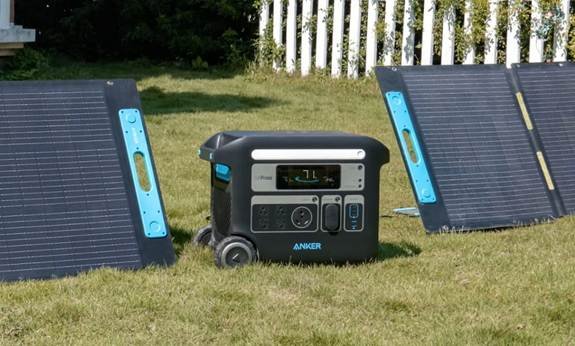
Solar generators and power stations illustrate the synergy between amps, volts, and watts in renewable energy solutions. Anker SOLIX models, for example, harness high volts from solar panels with dedicated amperage to produce efficient wattage, offering sustainable power alternatives. These systems exemplify advanced power utilization, reflecting an increasing trend towards greener practices. By understanding amps, volts, and watts, users can optimize such models, expanding renewable potential while conserving energy. It’s essential to apply these principles to leverage solar technology effectively, ensuring optimal power generation and responsible consumption.

Conclusion
Choosing the right power involves accurately assessing device requirements and understanding the interplay of amps, volts, and watts. Consumers must evaluate these aspects based on equipment demands, usage patterns, and available resources. When selecting appliances, checking their power ratings and compatibility with existing systems is vital to prevent inefficiencies. Similarly, renewable solutions like solar power stations benefit from calculated energy planning. With knowledge of amps, volts, and watts, users ensure safe, efficient, and sustainable power choices, paving the way for an energy-conscious future.


Your blog has quickly become my go-to source for reliable information and thought-provoking commentary. I’m constantly recommending it to friends and colleagues. Keep up the excellent work!