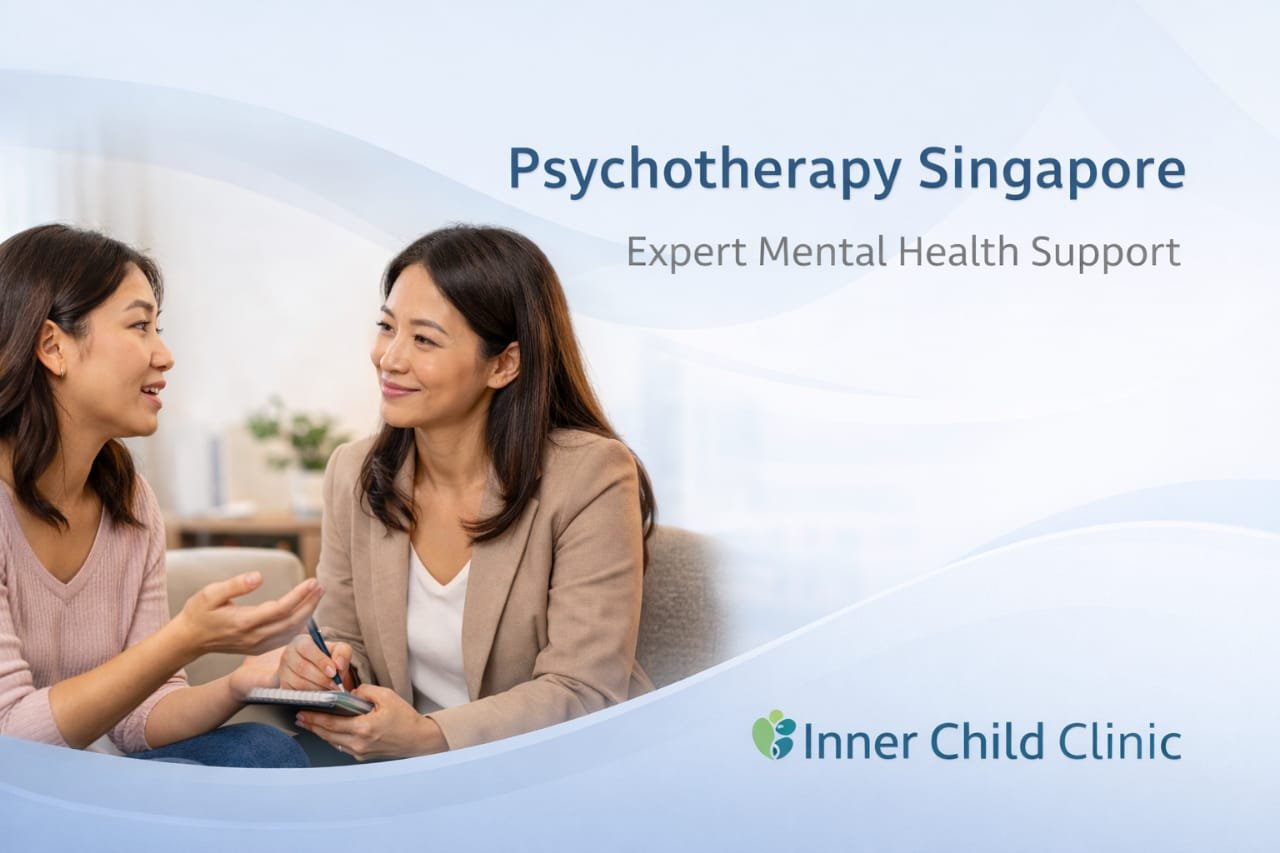
Anxiety disorders are among the most common mental health challenges faced by individuals in Singapore today. With the demands of work, academic pressure, financial responsibilities, and the fast-paced lifestyle of urban life, many people experience persistent worry, tension, and stress. While occasional anxiety is a natural response to life’s challenges, anxiety disorders can significantly interfere with daily functioning, relationships, and overall quality of life. Psychotherapy provides an effective, evidence-based approach to managing and overcoming these disorders while promoting long-term emotional well-being.
Understanding Anxiety Disorders
Anxiety disorders encompass a range of conditions, including generalized anxiety disorder (GAD), panic disorder, social anxiety, and phobias. Symptoms may vary from excessive worry, irritability, and difficulty concentrating to physical manifestations such as rapid heartbeat, sweating, and fatigue. If left untreated, anxiety disorders can lead to more serious emotional and physical health issues, including depression, chronic stress, and social withdrawal.
Recognizing the importance of professional support is essential. Psychotherapy helps individuals identify triggers, understand their emotional responses, and develop healthier coping strategies to manage anxiety effectively.
How Psychotherapy Helps
Psychotherapy, also known as talk therapy, involves working with a trained mental health professional to explore thoughts, feelings, and behaviors. Unlike self-help strategies or informal advice, psychotherapy provides a structured and confidential space for personal reflection and skill-building.
One of the primary goals of therapy is to reduce the intensity and frequency of anxiety symptoms while promoting emotional resilience. By applying evidence-based techniques, individuals can learn to respond to stressors in a balanced and constructive manner.
Cognitive Behavioral Therapy (CBT)
Cognitive Behavioral Therapy (CBT) is one of the most widely used approaches for treating anxiety. CBT helps individuals recognize unhelpful thought patterns that contribute to worry and fear. By learning to challenge these thoughts and replace them with more rational and balanced perspectives, clients gradually reduce the emotional impact of anxiety.
CBT often includes practical exercises such as exposure therapy, relaxation techniques, and problem-solving strategies. In Singapore, many individuals seeking Psychotherapy Singapore benefit from CBT because it offers clear, structured methods to manage anxiety in real-life situations.
Other Therapeutic Approaches
While CBT is highly effective, other therapeutic approaches may also be incorporated depending on the individual’s needs. These include:
- Mindfulness-Based Therapy: Encourages present-moment awareness and reduces rumination.
- Acceptance and Commitment Therapy (ACT): Focuses on accepting uncomfortable thoughts and emotions while committing to meaningful actions.
- Interpersonal Therapy (IPT): Helps address anxiety related to relationships or social situations.
Integrating different approaches ensures that therapy is tailored to the client’s specific challenges and goals.
Benefits of Psychotherapy for Anxiety
The advantages of psychotherapy extend beyond symptom relief. Individuals often experience:
- Greater self-awareness and understanding of triggers
- Enhanced emotional regulation and stress management
- Improved relationships and communication skills
- Increased confidence in facing challenging situations
- Long-term resilience and coping strategies
Through consistent therapy, clients not only manage anxiety more effectively but also gain skills that support overall personal growth and mental health.
Anxiety Disorders in the Singapore Context
Singapore’s fast-paced urban environment and high-pressure culture can exacerbate anxiety symptoms. Many individuals feel the need to perform at high levels while balancing multiple responsibilities, which can lead to chronic stress and emotional fatigue. Psychotherapy provides culturally sensitive, professional support that helps clients navigate these pressures while maintaining emotional balance.
Seeking professional care from a trusted provider ensures that therapy is guided by qualified therapists who understand both clinical best practices and the local context. For those living in Singapore, connecting with qualified mental health professionals can be an essential step toward recovery.
Taking the First Step Toward Recovery
One of the most important steps in managing anxiety is acknowledging the need for help. Psychotherapy encourages individuals to take proactive measures, engage in self-reflection, and learn practical tools to improve mental health.
Whether anxiety manifests as persistent worry, panic attacks, or social fear, professional therapy can provide a structured path toward relief and long-term emotional stability. Individuals are empowered to regain control over their thoughts, manage stress effectively, and enhance their overall quality of life.
Conclusion
Anxiety disorders can significantly impact personal, professional, and social functioning. In Singapore, psychotherapy serves as a highly effective method for managing these conditions. By offering a safe, professional environment and evidence-based techniques such as CBT, mindfulness therapy, and interpersonal therapy, psychotherapy helps individuals understand their anxiety, reduce symptoms, and build resilience.
Accessing Psychotherapy Singapore services is a meaningful step toward emotional well-being, improved coping strategies, and personal growth. Through professional guidance, individuals can learn to navigate life’s challenges with confidence, clarity, and long-term emotional stability.