Key Takeaways
- Learn the fundamentals of stock investing and its advantages.
- Pick an online brokerage that best fits your investment style and goals.
- Begin with a diversified strategy to protect and grow your investments.
- Commit to lifelong learning to navigate ever-changing markets.
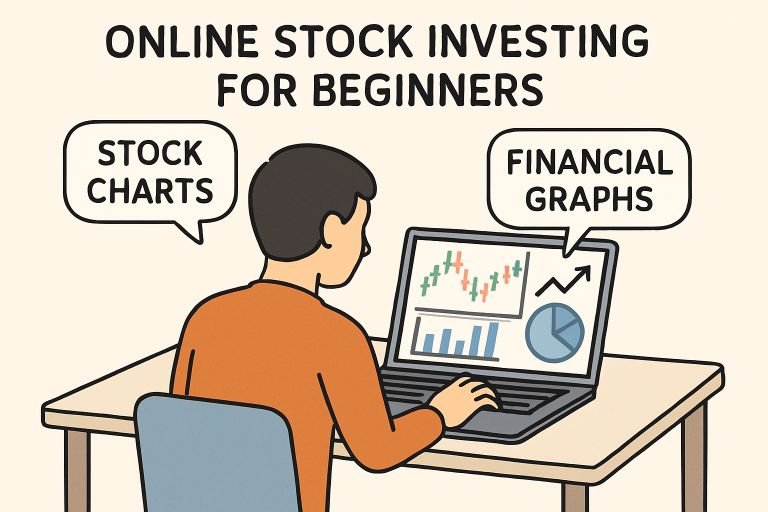
Investing in stocks online opens up new possibilities for growing your wealth and taking control of your financial future. Modern technology makes it easier than ever to get started from your own home. With the right foundation, anyone can confidently take their first steps into the world of stock investing. If you want step-by-step instructions and tips specific to Canadian investors, you can explore Getting started with self-directed investing to further support your journey.
Stock investing is no longer reserved for financial professionals or those with large sums of money. Today’s online platforms have democratized the process, making it accessible to both beginners and seasoned investors. Whether your goal is to save for retirement, build wealth for future generations, or achieve financial independence, there are practical ways to start investing in stocks that suit your needs.
The key to a successful investing experience is understanding the basic principles, making informed choices, and staying up to date with the market.
Understanding Stock Investing
Stock investing involves buying shares that represent partial ownership in a company. When you invest in stocks, you have the potential to benefit in two main ways. First, you can earn money when the share price increases and you sell at a profit, a form of capital appreciation. Second, you may receive dividends, which are payments some companies offer to shareholders from their profits. However, investing in stocks comes with the risk that prices may fall, sometimes sharply and without warning. That is why it is critical to understand both the potential rewards and the inherent risks involved.
Long-term investment strategies typically outperform attempts to time the market. Patience and ongoing research are essential for managing both the emotional and financial aspects of investing. By focusing on well-established companies and sound financial fundamentals, beginners can avoid many common mistakes and set the stage for portfolio growth.
Choosing a Brokerage Account
To start purchasing stocks online, you will need to open an account with a brokerage. This is where you can buy, sell, and manage your investments. When evaluating brokerages, consider their fees, minimum investment requirements, trading tools, and educational resources. Many brokers now feature commission-free trades for stocks and ETFs, so you can build your portfolio with minimal cost.
Ease of use matters too. Select a platform that is user-friendly, offers robust customer support, and provides easy access to research reports and market data. These features can make your investing experience both seamless and enjoyable, especially as you learn the ropes.
Developing an Investment Strategy
Once your account is set up, the next step is to outline a strategy that aligns with your financial goals, risk tolerance, and investment time frame. Setting clear, realistic objectives gives you direction and helps prevent emotionally charged decisions during volatile periods. For most investors, a strategy focused on diversification, holding a mix of assets like individual stocks, index funds, and ETFs, helps balance risk and return over time.
Your risk tolerance is your ability and willingness to endure rollercoaster swings in your investment value. If you are new to investing or have a lower risk appetite, consider starting with large, stable companies or broad-market index funds. A well-rounded plan reduces your exposure to the performance of any single investment and increases your odds of long-term success.
Funding Your Account
Before you can begin trading, you must transfer funds into your brokerage account. Most platforms make it simple to connect your bank account and transfer money electronically. You do not need a large sum to get started; many brokers allow you to begin with as little as a few hundred dollars. What matters most is creating a habit of investing regularly, such as making monthly contributions to steadily build your portfolio.
Making Your First Investment
When you are ready to buy your first stock or ETF, start by thoroughly researching potential investments. Look at company financial statements, growth prospects, and industry trends. Choose companies you understand, think of businesses that play an active role in your daily life, or have a strong reputation. Exchange-traded funds (ETFs) are also an excellent starting point for beginners, as they bundle many stocks, providing instant diversification and reducing single-company risk.
Monitoring and Adjusting Your Portfolio
Investing is not a set-it-and-forget-it activity. Periodically review your portfolio to ensure it still aligns with your financial goals and risk tolerance. As markets fluctuate, certain investments may outperform others, altering your target allocation. Regularly rebalancing your portfolio, by buying or selling positions as necessary, helps keep your risk within acceptable limits and maximizes your returns over the long term.
Educating Yourself
The learning process never stops. Take advantage of reputable investing education platforms, such as Morningstar, for in-depth analysis, up-to-date research, and tools to evaluate stocks and funds. Continuous education will help you make sense of economic headlines, market shifts, and emerging investment products.
Final Thoughts
Getting started with online stock investing is a rewarding way to participate in long-term wealth creation. By following the steps laid out above, choosing reliable resources, and committing to ongoing education, you will build the skills needed to confidently invest. Stay patient, stick to your plan, and let the power of the markets work for you over time.