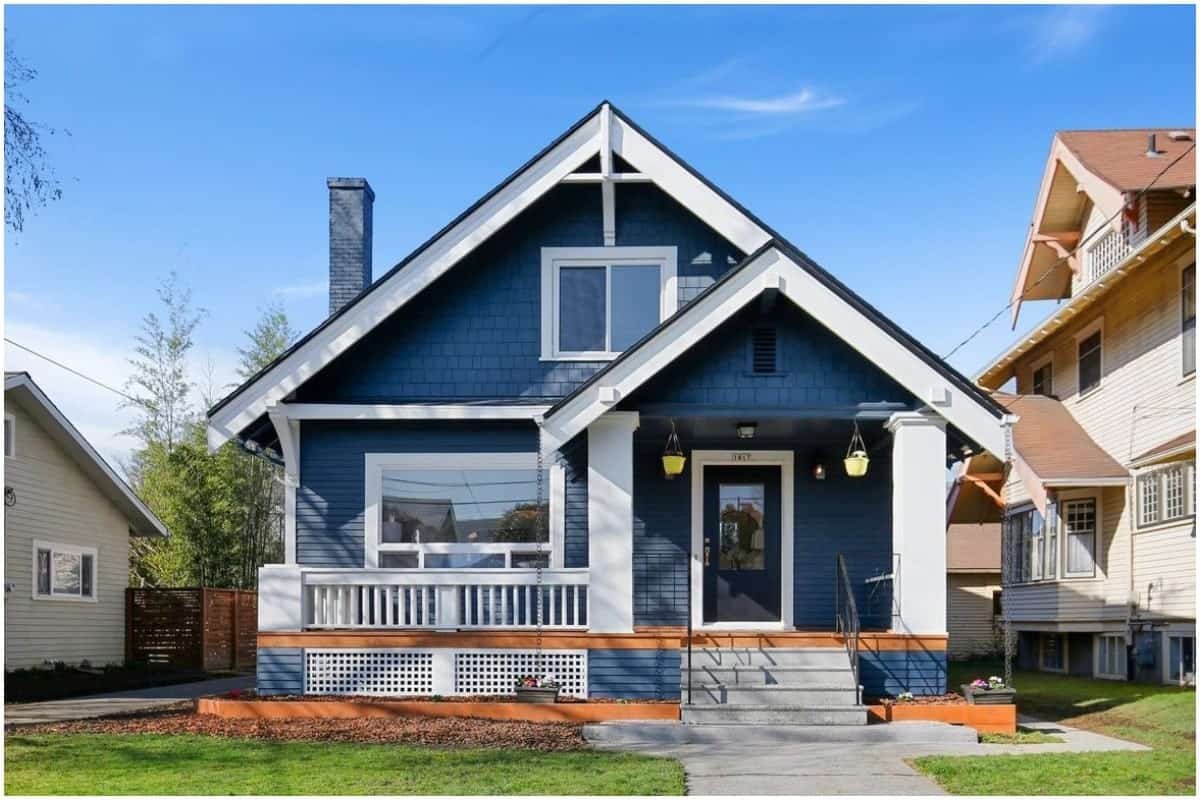
Coastal living is highly appealing to Melbourne buyers. Areas along Port Phillip Bay offer lifestyle benefits, sea views, and strong long-term demand. However, properties in coastal and bayside suburbs face a very different risk profile compared to inland homes.
When buyers arrange a building and pest inspection in Melbourne, coastal properties deserve particular attention on the pest side of the inspection. Salt air, moisture, sandy soils, and vegetation patterns all create conditions that increase pest activity and accelerate building deterioration.
This article explains why coastal Melbourne homes require extra pest inspection focus, what inspectors commonly find, and why these risks are often underestimated by buyers.
Coastal Conditions Change How Buildings Age
Coastal environments place constant stress on buildings. Salt carried in the air settles on surfaces, moisture levels remain higher for longer periods, and winds drive water into small gaps that might not matter in drier inland areas.
These conditions don’t usually cause sudden failure. Instead, they accelerate slow deterioration. Timber absorbs moisture more readily, metal corrodes faster, and protective coatings break down sooner.
From a pest perspective, this matters because moisture and material breakdown create ideal conditions for termites and other timber pests to establish themselves unnoticed.
Termite Risk Is Higher Than Many Buyers Expect
A common misconception is that coastal homes are less likely to experience termite activity due to sandy soils or proximity to the ocean. In reality, many coastal Melbourne suburbs fall within known termite risk zones.
Termites are drawn to moisture and concealed timber, not just soil type. Coastal homes often have elevated moisture levels due to sea air, groundwater conditions, and drainage challenges. This creates favourable conditions for termite foraging and nesting.
During pest and building inspections in Melbourne and coastal areas, inspectors frequently identify termite risk factors, even where no active infestation is visible. These risk indicators are just as important as finding live termites.
Moisture Creates Perfect Pest Conditions
Moisture is the single biggest contributor to pest activity in coastal homes. High humidity, wind-driven rain, and slower drying times allow moisture to linger under floors, inside wall cavities, and around footings.
Subfloors in older coastal homes are especially vulnerable. Poor ventilation combined with damp ground conditions can lead to timber decay and create ideal termite entry points. These areas are rarely visible to buyers during inspections.
A thorough pest inspection looks closely at moisture-prone zones, even when no obvious damage is present.
Salt Air Accelerates Timber and Metal Deterioration
Salt exposure doesn’t just affect metal fixtures. Over time, it breaks down protective finishes on timber as well, allowing moisture to penetrate more easily.
As timber softens and deteriorates, it becomes more attractive to pests. Even treated timber can lose effectiveness faster in coastal environments, particularly if maintenance has been inconsistent.
During a building and pest inspection in Melbourne’s bayside suburbs, inspectors often find timber elements that have aged far more quickly than expected for their actual age.
Landscaping and Coastal Vegetation Increase Risk
Coastal properties often feature dense landscaping, native plants, and garden beds designed to provide wind protection or privacy. While attractive, these features can inadvertently increase pest risk.
Garden beds built up against walls, timber retaining walls, and thick vegetation close to structures all create concealed, damp environments. These conditions make it easier for termites to approach a building undetected.
Pest inspections in coastal areas pay close attention to these external risk factors, even if the internal condition of the home appears sound.
Older Coastal Homes Carry Compounded Risk
Many of Melbourne’s coastal suburbs feature older housing stock, including weatherboard homes, beach cottages, and mid-century brick houses. These properties were often built before modern termite management systems were standard.
Missing or damaged ant capping, untreated timber, and older subfloor designs are common findings. Over decades, exposure to coastal conditions compounds these vulnerabilities.
A building and pest inspection in Melbourne’s coastal areas often reveals a combination of age-related issues and environmental stress, increasing the importance of early detection.
Renovations Can Mask Pest Entry Points
Coastal homes are frequently renovated to modernise layouts or maximise views. While renovations can improve appearance, they can also conceal pest pathways if not done carefully.
Decks, extensions, and altered ground levels may bridge termite barriers or create new moisture traps. External cladding systems may hide early signs of timber damage.
A pest inspection looks beyond finishes to assess whether renovations have introduced new risks, something buyers rarely consider without professional input.
Newer Coastal Homes Are Not Immune
Even new or near-new coastal homes require careful pest assessment. Termite management systems must be installed correctly and maintained over time to remain effective.
In coastal environments, barriers can be compromised more quickly due to moisture movement, soil disturbance, or landscaping changes. Construction debris left in soil can also attract termite activity early in a home’s life.
A building and pest inspection in Melbourne is just as relevant for new coastal homes as it is for older ones, particularly given the higher environmental exposure.
Pest Damage Is Often Not Covered by Insurance
One of the most significant risks for coastal buyers is financial exposure. Termite damage is generally not covered by standard home insurance policies.
If pest activity goes undetected for years, repair costs can be substantial. Structural timber replacement, wall repairs, and floor remediation often involve invasive and expensive work.
A pest inspection is one of the few opportunities buyers have to assess this risk before ownership transfers.
Why Coastal Inspections Require Experience
Not all inspections are equal. Coastal properties require inspectors who understand how environmental conditions influence pest behaviour and building performance.
During a building and pest inspection in Melbourne’s coastal suburbs, experienced inspectors interpret findings differently. Subtle moisture readings, early timber softening, or minor corrosion may indicate a much higher future risk than the same findings inland.
This contextual understanding is critical for accurate risk assessment.
Buyers Often Underestimate Long-Term Exposure
Coastal buyers are often focused on lifestyle and location. Views, access to the beach, and neighbourhood appeal naturally take priority during inspections.
Pest risk, however, is a long-term issue. It develops quietly and often only becomes visible once damage is advanced. By then, options are limited and costs are high.
An inspection helps buyers separate emotional appeal from practical risk, without discouraging the purchase unnecessarily.
Final Thoughts
Coastal Melbourne homes face unique environmental pressures that directly influence pest activity and building durability. Moisture, salt exposure, vegetation, and soil conditions combine to create higher-than-average pest risk, regardless of a property’s age or appearance.
A building and pest inspection in Melbourne, particularly for coastal homes, is not just a formality. It is a targeted assessment of risks that are easy to overlook and expensive to ignore.
For buyers considering coastal or bayside properties, extra pest inspection attention is not about being cautious — it is about being realistic. Understanding these risks early allows informed decisions, proper maintenance planning, and long-term protection of what is often a significant investment.
